Autism Spectrum Disorder (ASD)
Understanding Autism Spectrum Disorder (ASD)
Autism Spectrum Disorder (ASD) is a lifelong neurodevelopmental condition that affects how a person communicates, interacts with others, learns, and experiences the world. It is called a "spectrum" because every individual with autism has unique strengths, challenges, and support needs. Some children may have mild symptoms and require minimal support, while others may need comprehensive, long-term intervention.
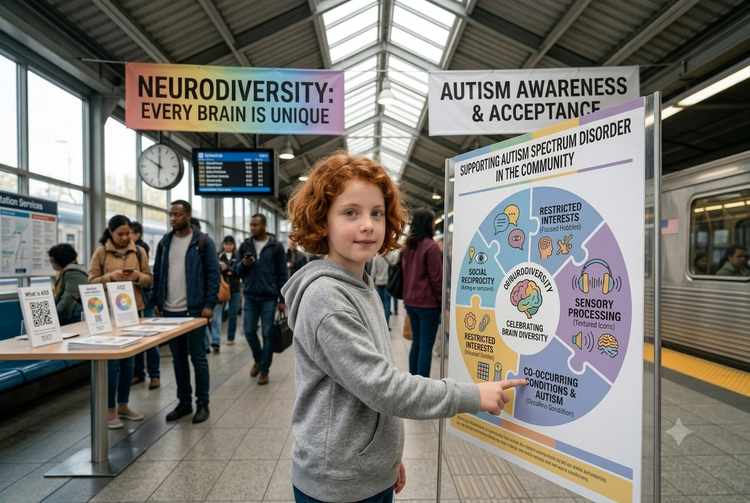
Early identification and evidence-based therapies can significantly improve communication, social interaction, learning, independence, and quality of life. With the right support, children with autism can develop essential life skills and reach their full potential.Children with autism often experience differences in social communication, language development, behavior, and sensory processing. They may have difficulty understanding verbal and non-verbal communication, maintaining eye contact, expressing emotions, or engaging in age-appropriate social interactions. Many children also display repetitive behaviors, restricted interests, or a strong preference for routines and predictability. In addition, they may be unusually sensitive or less responsive to sensory experiences such as sounds, lights, textures, smells, or touch, which can affect their daily activities and participation in home, school, and community environments.
The exact cause of Autism Spectrum Disorder is not fully understood, but current research indicates that it results from a complex interaction of genetic and environmental factors that influence early brain development. Autism is not caused by parenting practices, and extensive scientific evidence has shown that routine childhood vaccinations do not cause autism. Every child with ASD has a unique developmental profile, making individualized assessment and intervention essential for achieving the best outcomes.
Causes and Risk Factors of Autism Spectrum Disorder (ASD)
The exact cause of Autism Spectrum Disorder (ASD) is not yet fully understood, but research indicates that it results from a complex interaction of genetic and environmental factors that influence early brain development. Genetics plays a major role, with certain inherited or spontaneous genetic variations increasing the likelihood of developing autism. Children who have a sibling or close family member with ASD may have a higher risk, suggesting a strong hereditary component. In addition to genetics, certain prenatal and perinatal factors, such as advanced parental age, maternal infections during pregnancy, complications during pregnancy or childbirth, premature birth, and low birth weight, have been associated with an increased risk of autism.
Researchers are also studying how environmental factors, including exposure to air pollution or certain chemicals during pregnancy, may contribute to the condition in genetically susceptible children. These factors do not directly cause autism on their own but may influence early brain development when combined with genetic predisposition. It is important to understand that Autism Spectrum Disorder is not caused by parenting style, poor emotional bonding, or childhood vaccinations. Extensive scientific research has consistently shown that vaccines do not cause autism. Because ASD develops through multiple interacting factors rather than a single known cause, early developmental screening, timely diagnosis, and evidence-based intervention remain the most effective approaches to supporting children with autism and helping them achieve their full potential.
Common Signs and Symptoms of Autism Spectrum Disorder (ASD)

Difficulty with Social Communication
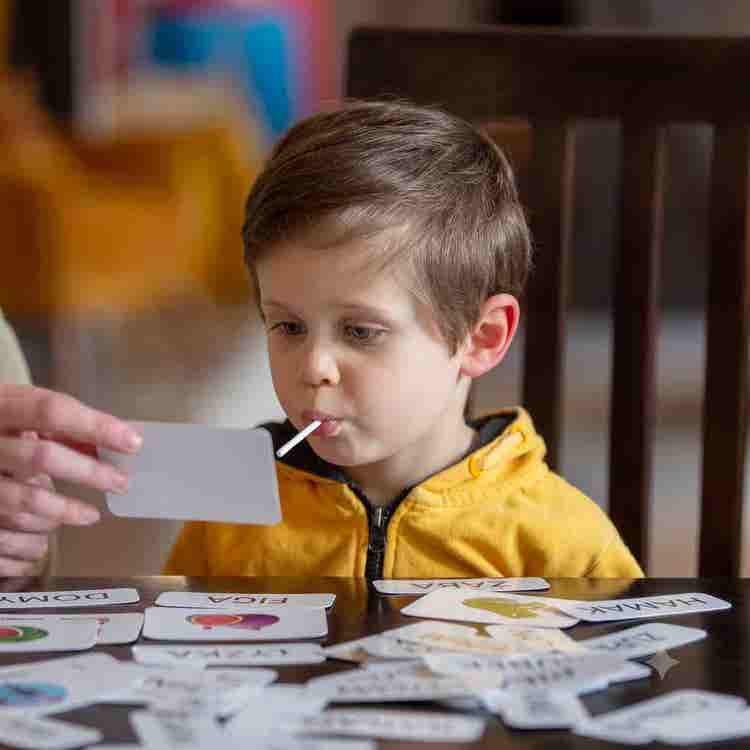
Children with Autism Spectrum Disorder may have difficulty making eye contact, responding to their name, understanding facial expressions, sharing emotions, or engaging in conversations. They may prefer to play alone and find it challenging to build friendships or interact with peers.
Delayed Speech and Language Development
Many children with ASD experience delays in speech and language skills. They may speak later than expected, have difficulty expressing their needs, repeat words or phrases (echolalia), or struggle to understand and use verbal and non-verbal communication effectively.
Repetitive Behaviors and Restricted Interests
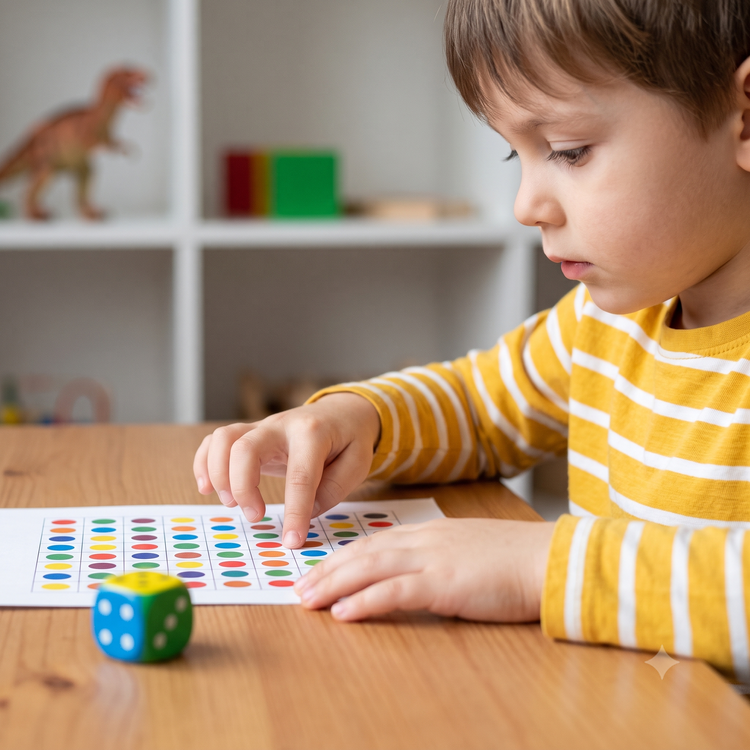
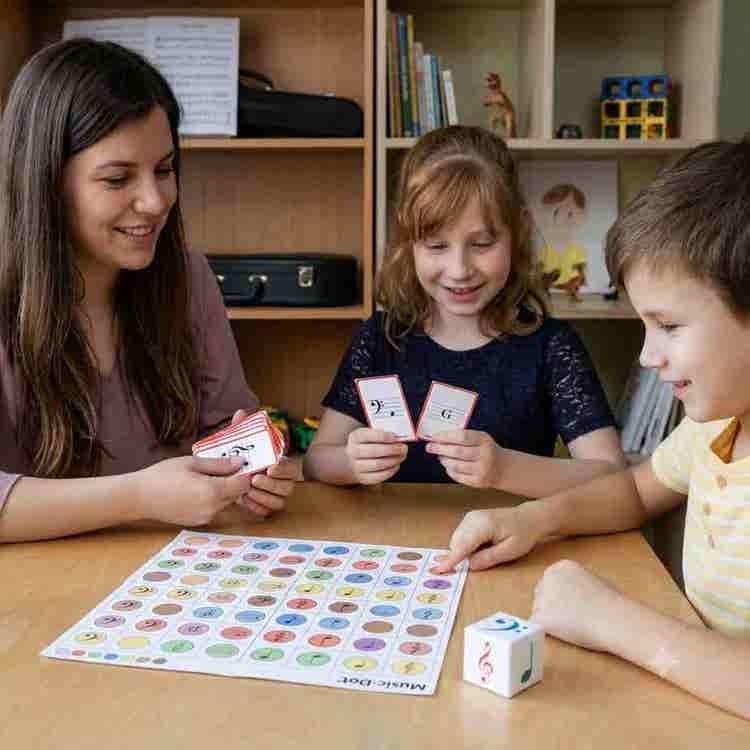
Repetitive movements such as hand flapping, rocking, spinning, or repeatedly arranging objects are common. Children may also develop intense interests in specific topics or activities and become highly focused on them.
Sensory Sensitivities
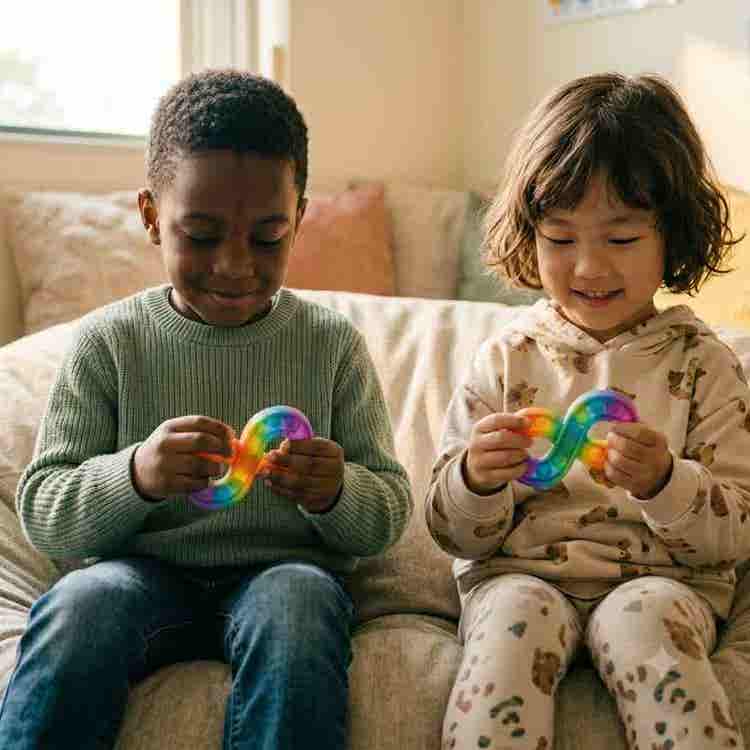
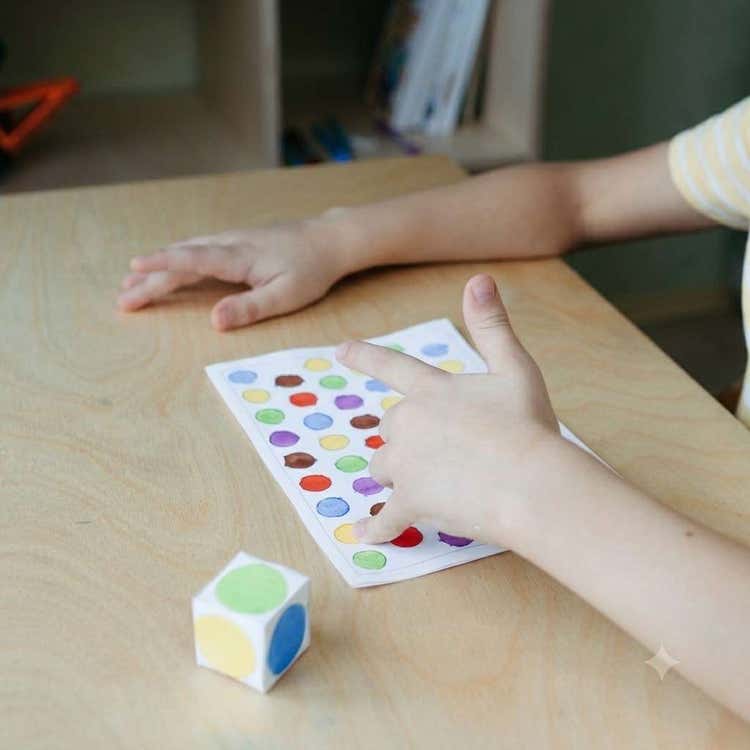
Children with autism often experience differences in sensory processing. They may be overly sensitive or under-responsive to sounds, lights, textures, smells, tastes, or touch, which can affect their comfort, behavior, and participation in daily activities.
Preference for Routine and Difficulty with Change
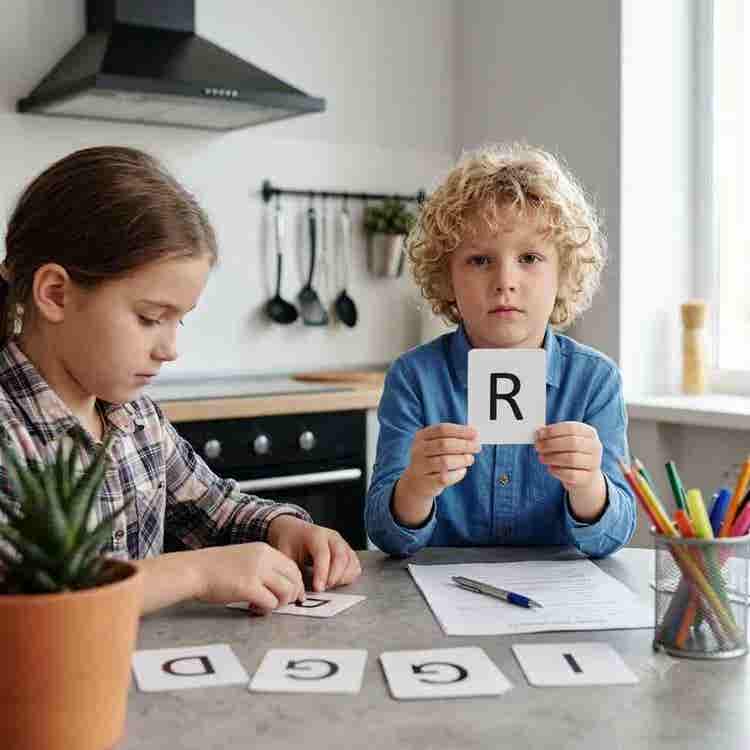
Many children with ASD rely on predictable routines and may become anxious or distressed when their daily schedule changes. Unexpected transitions or changes in familiar environments can be particularly challenging.
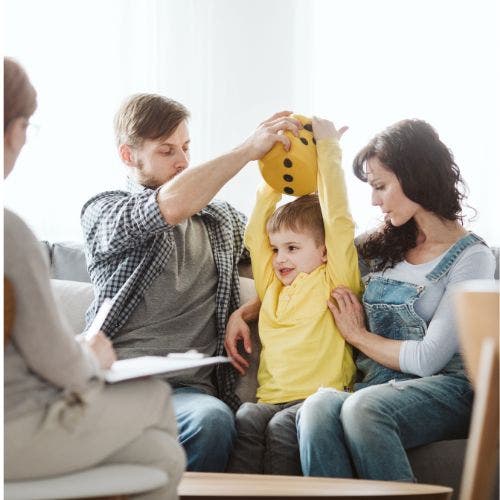
Behavioral and Emotional Regulation Difficulties
Children with Autism Spectrum Disorder may have difficulty managing emotions and adapting to new situations. They may experience frustration, anxiety, tantrums, or meltdowns, especially when faced with communication challenges, sensory overload, or disruptions to their routine. Early intervention and individualized support can help improve emotional regulation and adaptive behaviors.
Causes and Risk Factors of Autism Spectrum Disorder (ASD)
How Autism is Diagnosed
Recognized By Major Gulf & Indian News Platforms







What Parents Say

John Mathew
Jewel Autism Centre is the best child development center in India which provides various services such as Speech Therapy, Occupational Therapy, Special Education, Physiotherapy, Behavioural Therapy and Child Psychology under the same roof.

Aksha Varghese
Really good place for therapy. All sorts of therapy are available. Many changes were observed after coming to this institution. Really good service was available.

Abey Varghese
It is a team approach. Which benefitted the child a lot. Many changes were observed in the child. Activities were also provided for the child to do at home. Really good and thrust worthy institution.

Mini Thomas
Our journey with jewel so far has been very good.Our son has shown good changes with 3 months therapy and we are planning to stay on more .We really appreciate the hard work put by therapists in understanding the child's needs and implementing a goal oriented approach.We high recommend this institute to everyone.

Rihan Jojo
My name is Anu from Palakkad. I brought my 4½-year-old son to Jewel with no speech or eye contact. Within one month, I saw great improvement—he started speaking, sitting better, and even writing letters. I’m very thankful to the caring therapists at Jewel.

Noah Rudra Rahul
Jewel Autism Center has been a wonderful choice for us. We’ve seen great progress in our son. The therapists are professional, caring, and involve parents in goal setting. My son enjoys the sessions, has a strong bond with the therapists, and the center feels like a second home.

Chimi pema Dakpa
Jewel Autism and Child Development Center is an excellent place with highly trained and dedicated therapists. The transparency of allowing parents to observe sessions is truly valuable. My son has shown remarkable progress in a short time, and I’ve also learned a lot as a mother. I’m very grateful to the entire Jewel team for their care and support.

Parvana
I’m grateful to the entire Jewel Autism Development Centre team for their dedication. When we joined, my daughter had poor eye contact, no response to her name, and attention difficulties. After a year of therapy, she has made remarkable progress. Special thanks to all the therapists and staff for their support.
FAQ
Related reading
Articles from our clinical team on this topic: