
BEST AUTISM TREATMENT IN INDIA
What is Autism?
Autism is a complex developmental condition that usually emerges in early childhood. It is marked by challenges in social interaction and communication, as well as restricted or repetitive patterns of behavior, interests, and sensory sensitivities. It is termed a developmental condition because its signs generally appear within the first two years of life. The term spectrum reflects the wide variation in how autism affects individuals, influenced by different combinations of genetic and environmental factors.
Autism Spectrum Disorder (ASD) affects individuals across all racial, ethnic, and socioeconomic groups. Although scientific research has made significant progress, there is still no single known cause of autism. However, several risk factors have been identified that may increase the likelihood of developing ASD. These include having a sibling with autism, certain genetic conditions such as Down syndrome, Fragile X syndrome, or Rett syndrome, advanced parental age, and being born with a very low birth weight.
Ongoing research continues to explore the biological and environmental influences that may contribute to autism, with the goal of improving early detection, intervention, and support. Early diagnosis and tailored therapies can greatly enhance communication skills, learning, and overall quality of life for individuals on the autism spectrum.

Signs and Symptoms of Autism
Autism Spectrum Disorder (ASD) affects each person differently, and the signs can vary widely in type, severity, and timing. Some individuals may show noticeable developmental differences within the first few months of life, while others may appear to develop typically for a period before the signs become more apparent as social, communication, or behavioral demands increase.
Recognizing early signs of autism is crucial, as early identification and intervention can make a significant difference in a child’s long-term development and quality of life. In many cases, parents or caregivers are the first to notice unusual behaviors, such as limited eye contact, lack of response to their name, or a preference for being alone. These early indicators may sometimes be subtle and can easily be mistaken for shyness or delayed speech.
The challenges experienced by individuals with Autism Spectrum Disorder (ASD) are generally grouped into three main areas: communication and social interaction difficulties, restricted or repetitive interests and behaviors, and sensory sensitivities. A person with autism may display some or several of these characteristics, and the intensity or combination of these signs can vary greatly from one individual to another.
An autistic individual may have trouble communicating / interacting with others. This need not necessarily mean that they do not like people. The individual may:
- Make little or inconsistent eye contact with another person
- Tend not to look at people or listen to what they are saying
- Rarely share awareness or enjoyment of objects or activities by pointing or showing things to others
- Fail to, or being slow to, respond to someone trying to gain his / her attention through verbal attempts
- Have difficulties with the back and forth of conversation
- Often talk at length about a favorite subject without noticing that others are not interested or without allowing others to respond
- Have facial expressions, movements, and gestures that do not have any connection to what is being said at the time
- Have an unusual tone of voice that may sound sing-song or flat and robot-like or have speech difficulties
- Have trouble understanding another person’s point of view or be unable to predict or understand other people’s actions
A person with ASD may have trouble focusing on certain topics but have an increased and focused interest over a long period of time on certain other topics. He/she may:
- Repeat certain behaviors or have unusual behaviors like repeating words or phrases over and over again. Have a lasting, intense interest in certain topics, such as numbers, details, or facts
- Have overly focused interests, such as with moving objects or parts of objects
- Get upset by changes in his / her routine, however slight the changes may be ok.
Therapy Treatment for Autism
Early diagnosis of autism, followed by timely and appropriate intervention, can make a significant difference in an individual’s development and overall quality of life. When autism is identified at an early stage, the person can receive the specialized support, therapies, and services they need to enhance communication, learning, and social skills. Early intervention not only helps in reducing developmental challenges but also strengthens an individual’s ability to adapt and participate actively in everyday life.
Depending on the nature and degree of the condition, therapists and professionals design a personalized intervention plan tailored to the individual’s unique strengths, needs, and goals. These programs may include a combination of speech and language therapy, occupational therapy, behavioral interventions, social skills training, and educational support. In some cases, additional support such as parent training or counseling is also included to help families better understand and assist their loved ones.
The goal of early and comprehensive intervention is not to change who the person is, but to empower them — to improve their ability to communicate, build relationships, manage daily tasks, and lead a fulfilling, meaningful life with equal access to opportunities in education, employment, and community participation.

Occupational Therapy
Occupational therapists evaluate a child’s motor, sensory, social, and daily living skills to design personalized interventions that enhance development and independence.

Speech Therapy
Speech therapists help children improve communication by addressing all aspects of speech and language, including understanding, expression, articulation, breathing, and fluency.

Behavioral Therapy
Behavioral therapists identify maladaptive behaviors in children and help replace them with positive, socially appropriate, and adaptive behaviors.

Remedial Education Program
In this program, the special educator supports the child in developing skills and strategies to meet learning goals and achieve academic progress.

Social Skills Training
Social Skills Training (SST) is a behavioral therapy that helps individuals develop effective communication and interaction skills to improve their social relationships.

Play Therapy
The therapist or parent engages the child in play sessions—either child-led (unstructured) or guided (structured)—tailored to the child’s individual needs.

Sensory Integration
The therapist / parent works with the child on child-led play sessions – non-directive (unstructured) or directive (guided) – and are based on the individual needs of the child.

Group Therapy
Group therapy helps children with similar abilities practice learned skills through guided activities, preparing them for a mainstream school environment.

Physiotherapy
A physical therapist develops activities and exercises that build motor skills and improve strength, posture, and balance to improve functioning and social skills.
The Success Rate of Therapy Treatment in Autism
The success of therapeutic treatment in autism is highly individualized and varies from person to person. Each child responds differently to interventions based on factors such as the type and severity of symptoms, the timing of diagnosis, the consistency of therapy, and the level of family involvement.
Research consistently shows that children who receive an early diagnosis and intervention—typically around ages two or three—tend to show more significant progress than those who begin therapy later. Early treatment greatly enhances developmental outcomes, improves communication and social skills, and increases the likelihood of successful integration into mainstream education and community life.
In the immediate context, therapy is considered successful when a child achieves the specific goals established by the therapist following a comprehensive assessment—such as improved communication, better social interaction, or enhanced self-care abilities—within a defined timeframe. On a broader level, success may be measured by the overall improvement in the child’s functioning, independence, and quality of life over time, especially in areas previously identified as developmental challenges.
Ultimately, the goal of therapy is not only to address difficulties but to empower children with autism to reach their full potential, enhance their confidence, and promote meaningful participation in everyday activities.
Post Autism Treatment Care
After completing therapy and showing progress in targeted areas, children are gradually introduced to essential life skills that support their independence and daily functioning. Therapists guide them in learning practical abilities such as personal care and hygiene, basic cooking, money management, shopping, room organization, and safe transportation. Alongside these, children are also taught important executive functioning skills — including planning, organizing, prioritizing, time management, and decision-making — which are integrated into each life skill to build confidence and self-sufficiency.
These efforts aim to help children transition into a more independent and fulfilling life, empowering them to handle everyday challenges with greater ease and success. The ultimate goal is not only to enhance their functional abilities but also to promote emotional well-being, self-esteem, and happiness.
As part of post-treatment care, regular monthly follow-ups are conducted for children who have been discharged from therapy. During these sessions, therapists monitor their adjustment in mainstream schools and overall developmental progress. If any areas of difficulty arise, the center provides timely and targeted support to address specific needs.
Additionally, parents and caregivers are given comprehensive guidance and training on Activities of Daily Living (ADL) and practical strategies to foster independence at home. By working together, families and therapists ensure that each child continues to grow, thrive, and enjoy a meaningful, well-rounded life.
Early Intervention of Autism
Early intervention for autism refers to a range of specialized programs and services aimed at supporting children diagnosed with autism spectrum disorder (ASD) at a young age. The primary goal is to address developmental delays and improve overall outcomes for these children.
Early intervention typically involves a multidisciplinary approach, integrating various professionals such as pediatricians, psychologists, speech and language therapists, occupational therapists, and special education teachers. These experts work together to provide individualized support based on the unique needs of each child.
Research suggests that early intervention can lead to significant improvements in communication, social skills, behavior management, and overall development for children with autism. Early support and intervention can lay a solid foundation for their future educational, social, and emotional well-being.
It’s important to note that while early intervention is crucial, it’s never too late to start interventions for individuals with autism. Services and support can be beneficial at any age, and it’s never too late to make positive changes and promote growth in individuals on the autism spectrum.
Here are some key aspects of early intervention for autism:
Types of Autism
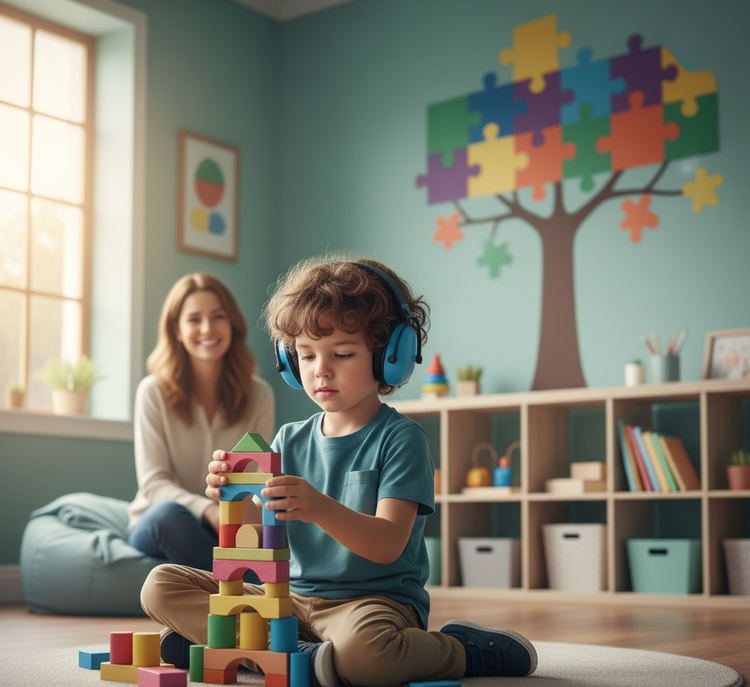
Classic Autism (Autistic Disorder)
Individuals with classic autism have major challenges in communication, social interaction, and show repetitive or restricted behaviors.

Asperger’s Syndrome
Asperger’s syndrome, now part of ASD, involves average or above-average intelligence with challenges in social interaction, understanding cues, and repetitive or intense interests.
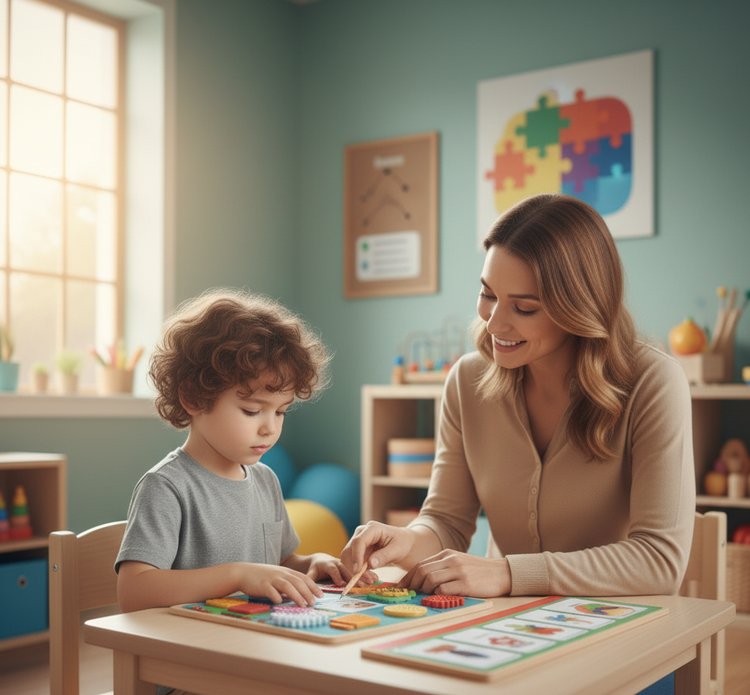
Pervasive Developmental Disorder
Pervasive Developmental Disorder (PDD) refers to a group of developmental conditions involving delays in social and communication skills, often showing repetitive behaviors and difficulty adapting to change.
Effects of Autism on Children
Autism Treatment : Our Approaches & Methods
When it comes to autism treatment, it is essential to recognize that every individual with autism is unique, with their own abilities, challenges, and developmental pace. Therefore, treatment must be customized to suit their specific needs and goals. Our approach emphasizes a multi-disciplinary and person-centered model, where professionals from various fields—such as behavioral therapy, speech therapy, occupational therapy, and special education—work collaboratively to create a holistic plan. This approach focuses not only on reducing behavioral and communication challenges but also on enhancing the child’s existing strengths, promoting independence, improving social and emotional well-being, and ultimately optimizing their overall quality of life and integration into society.
Here are some of the methods and strategies we employ in our autism treatment approach:
Recognized By Major Gulf & Indian News Platforms







What Parents Say

John Mathew
Jewel Autism Centre is the best child development center in India which provides various services such as Speech Therapy, Occupational Therapy, Special Education, Physiotherapy, Behavioural Therapy and Child Psychology under the same roof.

Aksha Varghese
Really good place for therapy. All sorts of therapy are available. Many changes were observed after coming to this institution. Really good service was available.

Abey Varghese
It is a team approach. Which benefitted the child a lot. Many changes were observed in the child. Activities were also provided for the child to do at home. Really good and thrust worthy institution.

Mini Thomas
Our journey with jewel so far has been very good.Our son has shown good changes with 3 months therapy and we are planning to stay on more .We really appreciate the hard work put by therapists in understanding the child's needs and implementing a goal oriented approach.We high recommend this institute to everyone.

Rihan Jojo
My name is Anu from Palakkad. I brought my 4½-year-old son to Jewel with no speech or eye contact. Within one month, I saw great improvement—he started speaking, sitting better, and even writing letters. I’m very thankful to the caring therapists at Jewel.

Noah Rudra Rahul
Jewel Autism Center has been a wonderful choice for us. We’ve seen great progress in our son. The therapists are professional, caring, and involve parents in goal setting. My son enjoys the sessions, has a strong bond with the therapists, and the center feels like a second home.

Chimi pema Dakpa
Jewel Autism and Child Development Center is an excellent place with highly trained and dedicated therapists. The transparency of allowing parents to observe sessions is truly valuable. My son has shown remarkable progress in a short time, and I’ve also learned a lot as a mother. I’m very grateful to the entire Jewel team for their care and support.

Parvana
I’m grateful to the entire Jewel Autism Development Centre team for their dedication. When we joined, my daughter had poor eye contact, no response to her name, and attention difficulties. After a year of therapy, she has made remarkable progress. Special thanks to all the therapists and staff for their support.
FAQ
Early signs of autism in toddlers usually show up as differences in how a child socializes, communicates, and behaves. Watch for reduced eye contact, little interest in playing alongside other children, or not turning when their name is called. Speech may develop later than expected, or the child may use fewer words than others their age.
Repetitive behaviors are another common indicator — hand-flapping, rocking, or getting distressed over minor changes to routine. Some toddlers also fixate on a single part of a toy (like spinning a wheel) instead of playing with it as intended. Heightened reactions to sound, texture, or other sensory input are frequently seen as well.
None of these signs alone confirms autism, but noticing a cluster of them is worth discussing with a specialist — the earlier a child is evaluated, the more effective intervention tends to be.
Diagnosing autism involves a comprehensive evaluation rather than a single test. Developmental pediatricians or child psychologists typically lead the process, gathering a detailed developmental history through parent interviews alongside standardized screening tools. During this assessment, specialists observe how the child communicates, interacts socially, and behaves — looking closely at things like eye contact, speech milestones, repetitive patterns, and how well the child picks up on social cues.
Depending on the case, doctors may also recommend hearing tests, genetic screening, or neurological evaluation to rule out other causes for the symptoms. The final diagnosis follows the criteria set out in the DSM-5, the standard reference manual used for these assessments.
Getting a diagnosis early matters because it opens the door to therapies and support systems tailored to the child's specific developmental needs, right when they can make the biggest difference.
There's no cure for autism — it's a lifelong neurodevelopmental difference, not a condition to be reversed. That said, therapy can make a substantial difference in a child's day-to-day abilities and overall quality of life. Approaches like speech therapy, occupational therapy, behavioral interventions (such as NDBI), and social skills training all help build communication, learning, and interpersonal skills over time.
Rather than trying to "fix" the child, the goal of these therapies is to reduce challenges that get in the way and to build on each child's individual strengths and independence. With early, consistent, and personalized support, many children make significant progress and develop strong strategies for navigating their day-to-day lives.
Autism used to be split into several separate diagnoses — Autistic Disorder, Asperger's Syndrome, Childhood Disintegrative Disorder, and Pervasive Developmental Disorder–Not Otherwise Specified (PDD-NOS). Today, all of these fall under one umbrella diagnosis: Autism Spectrum Disorder (ASD). The change reflects the understanding that these weren't truly distinct conditions, but variations of the same underlying spectrum, differing mainly in how intensely symptoms show up and how much they affect daily functioning.
That's why the word "spectrum" matters so much — no two children with ASD look alike. Some communicate fluently and show only mild traits, while others need substantial support with communication and daily activities. The diagnosis is the same; the experience of it varies widely from child to child.
Communication challenges look different from child to child, depending on where they fall on the spectrum. Some children have delayed speech or don't develop verbal language at all, while others speak fluently but struggle with the back-and-forth of conversation or with reading tone and body language. A common pattern is echolalia — repeating words or phrases heard elsewhere rather than using language to express original thoughts or needs.
Non-verbal communication can be just as tricky: picking up on gestures, facial expressions, and other social cues doesn't come naturally, which is often what makes everyday interactions feel harder for these kids. The encouraging part is that with the right therapy and consistent practice, most children see real improvement in both communication and social skills over time.
Yes — misdiagnosis is fairly common because autism's symptoms overlap with several other conditions. ADHD, social anxiety, sensory processing disorder, and general language delays can all show similar red flags, like poor eye contact, hyperactivity, or difficulty communicating. It's especially easy for milder cases to go unnoticed altogether, mistaken for shyness or a general learning difficulty rather than recognized as ASD.
This is exactly why a thorough evaluation matters — one carried out by a team of experienced specialists, ideally including developmental pediatricians, psychologists, and speech therapists. Getting the diagnosis right isn't just a formality; it's what determines whether a child ends up with the therapy and support that actually fits their needs.
Autism therapy typically draws from a mix of approaches rather than relying on just one. Applied Behavior Analysis (ABA) is among the most widely used, working to reinforce positive behaviors while reducing ones that get in the way of learning or daily life. Speech therapy targets language and communication development, while occupational therapy focuses on fine motor skills and everyday tasks like dressing or eating independently.
For children with sensory sensitivities, sensory integration therapy helps them process and respond to sensory input more comfortably. Social skills training rounds this out by building the interpersonal tools needed for friendships and group settings. Many treatment plans also bring in special education support and parent training, so the strategies used in therapy carry through consistently at home and school too.
Social interaction often doesn't come as naturally to children with autism, since picking up on unspoken social cues can be genuinely difficult. This can show up as limited eye contact, less inclination to share interests with others, or difficulty sustaining a back-and-forth conversation. Reading facial expressions, tone of voice, or body language adds another layer of complexity — without these cues landing intuitively, everyday interactions can feel confusing or unpredictable.
Many children also gravitate toward solitary or repetitive play rather than joining group activities, and some find it harder to recognize or respond to what others are feeling. It's worth noting this isn't a lack of caring — it's a difference in how social information gets processed. With the right guidance and consistent therapy, most children do build stronger social skills over time, even if the path there looks different from their peers.
Independence in adulthood varies widely and depends heavily on where a child falls on the spectrum and the support they receive along the way. Children with milder forms of autism, especially those who get early intervention and consistent therapy, often go on to develop strong communication and life skills — many pursue higher education, build careers, and manage daily life entirely on their own.
For those with more significant support needs, some level of ongoing assistance with daily routines, social situations, or decision-making may remain part of adult life, and that's completely okay too — independence isn't an all-or-nothing outcome. What tends to move the needle most is early diagnosis, therapy tailored to the child, active family involvement, and steady skill-building that continues through childhood into adolescence.
Sensory processing differences are extremely common among children with autism — the brain simply registers input from sounds, sights, touch, taste, or smell differently than it does for neurotypical children. This can go either direction: some children are hypersensitive, reacting strongly to things others barely notice (covering their ears at ordinary noise, refusing certain clothing textures, or feeling overwhelmed in bright or busy spaces), while others are hyposensitive and actively seek out extra input, like spinning or repeatedly touching objects.
These sensory responses aren't just quirks — they can genuinely disrupt daily routines, make learning harder, and complicate social situations. The good news is that occupational therapy and sensory integration therapy are specifically designed to help children build tolerance and respond more comfortably to their sensory environment over time.
Yes, autism and ADHD overlap far more often than most people realize, and it's common for a child to be diagnosed with both. The two conditions both involve differences in brain development, which can translate into shared challenges around attention, impulse control, and social interaction. A child managing both may struggle to focus or stay still, alongside difficulties with communication and understanding social situations — the combination can look different from either condition on its own.
Researchers are still working out exactly why this overlap happens so frequently. What's clear from a treatment standpoint, though, is that identifying both conditions early lets specialists build a therapy plan that addresses the full picture — behavioral, attentional, and social — rather than treating just one piece in isolation.
Supporting a child with autism at school starts with recognizing that their learning style may look different, and structuring the environment around that. Clear instructions, visual aids, and predictable routines go a long way toward helping a child feel secure enough to focus and engage. Building in extra time for transitions between activities or completing assignments can also ease a lot of unnecessary anxiety.
Peer inclusion matters just as much as classroom structure — helping classmates understand and accept differences creates space for the child to build social confidence naturally. Behind the scenes, close collaboration between teachers, parents, and therapists is what keeps everything aligned, typically formalized through an Individualized Education Plan (IEP) tailored to the child's needs.
At the core of it all, though, patience, empathy, and consistent positive reinforcement tend to matter more than any single strategy — they're what actually help a child thrive both academically and socially.
Yes — some signs can show up well before a child turns two. Watch for limited eye contact, rarely smiling back when smiled at, or not responding when their name is called. Babies may also skip typical gestures like pointing to share interest, waving, or clapping, and may show more interest in objects or being alone than in the people around them.
Other early indicators include delayed babbling, not imitating sounds or facial expressions, and unusual responses to sounds, lights, or textures — either seeming unbothered by things that would normally get a reaction, or overwhelmed by things that wouldn't. None of these signs guarantee an autism diagnosis on their own, but noticing several together is a good reason to bring it up with a pediatrician sooner rather than later — early evaluation opens the door to early intervention, which makes a real difference.
Applied Behavior Analysis (ABA) is a structured, evidence-based approach that helps children with autism build skills in behavior, communication, and learning. The method works by breaking bigger goals down into small, achievable steps and using positive reinforcement to encourage progress — when a child successfully follows an instruction or communicates a need clearly, they receive praise or a reward that motivates them to keep doing it.
Over time, this approach helps reduce behaviors that get in the way — like aggression or repetitive movements — while actively building up social interaction, focus, and independence. ABA tends to work best as a sustained effort rather than a quick fix: consistent sessions paired with active family involvement at home are what typically lead to lasting, meaningful improvements in a child's day-to-day functioning.
Forming relationships often takes more conscious effort for people with autism, largely because social communication and reading emotional cues don't come as automatically. Interpreting body language, tone of voice, or facial expressions — the small signals most people pick up without thinking — can be genuinely hard to decode, which makes starting or sustaining conversations, expressing feelings, or showing empathy in expected ways more difficult.
A preference for routine or solitary activities can also make the process of building friendships slower or less conventional. That said, this doesn't mean deep connection is out of reach — with support from family, therapists, and understanding peers, many people with autism develop strong social skills over time and go on to form genuinely meaningful relationships and emotional bonds, just often via a different path than what's considered typical.
A lot of stigma around autism comes down to a handful of persistent myths. One of the biggest is the assumption that all autistic people have intellectual disabilities — in reality, many have average or above-average intelligence, and cognitive ability varies just as widely as it does in the general population. Another harmful and thoroughly debunked myth is that autism results from poor parenting or vaccines; the science is clear that autism is a neurodevelopmental condition rooted in genetic and biological factors, not something caused by upbringing or external interventions.
There's also a common misconception that autistic individuals don't feel emotions deeply or don't want social connection — in truth, many experience emotions intensely, they simply express them in ways that don't always match typical expectations. And perhaps the most important thing to understand is that no two autistic people are alike: autism is a spectrum, and each person's strengths, challenges, and experiences are genuinely their own.
Autistic individuals often experience the world through a different lens, shaped by how their brains process sensory and social information. Many notice fine details that others might miss entirely, develop intense focus around specific interests, or experience sounds, lights, textures, and smells far more intensely than neurotypical people do. Language and emotion also tend to be interpreted more literally, which can make idioms, sarcasm, or unspoken social expectations genuinely confusing rather than intuitive.
While this can make everyday environments feel overwhelming at times, the same wiring often brings real strengths to the table — sharp attention to detail, refreshing honesty, and a capacity for deep concentration that's hard to match. Recognizing this different way of experiencing the world is really the first step toward building spaces — schools, workplaces, public settings — that work with neurodivergent minds rather than against them.
Medication doesn't treat autism itself — there's no drug that addresses the core condition — but it can play a role in managing specific symptoms or co-occurring issues that often show up alongside it. Doctors sometimes prescribe medication to help with hyperactivity, anxiety, irritability, sleep disturbances, or attention difficulties. In cases involving more severe behavioral challenges, medications like risperidone or aripiprazole may be used, while other options can help with mood regulation or focus.
Medication is almost always paired with other therapies — behavioral, speech, or occupational — rather than used as a standalone approach, since it addresses symptoms rather than building skills. And because every child responds differently, any medication decision should be made and closely monitored by a qualified doctor who can track what's actually working for that specific child.
There can be a connection, but it's far from universal — the two don't automatically go together. Some individuals with autism have average or even above-average intelligence, while others face genuine challenges with learning, reasoning, and problem-solving. Where intellectual disability does occur alongside autism, it tends to correlate with the degree of developmental delay, communication difficulty, and adaptive functioning a person experiences.
Research suggests roughly a third of people with autism also have some level of intellectual disability — meaning the majority don't. Regardless of where someone falls on that spectrum, early assessment, special education, and consistent therapy all help individuals build toward their fullest potential at whatever cognitive level they're working from.
Yes — in many cases, early signs show up well before age 2, sometimes even in the first year. Parents and pediatricians often notice gaps in social and communication milestones first: limited eye contact, no response when the child's name is called, or the absence of typical gestures like pointing and waving. Unusual reactions to sound, light, or touch, along with repetitive movements, can also appear during this window.
Regular pediatric checkups typically include developmental screening tools designed to flag these early warning signs before parents might notice them on their own. While a formal diagnosis is usually confirmed around age 2 or a bit later, catching the signs earlier means intervention can start sooner too — and that head start tends to make a meaningful difference in how a child's communication and learning skills develop from there.
Effective communication starts with adapting your style to theirs, rather than expecting them to adapt to yours. Keep language simple and direct — metaphors, sarcasm, and figures of speech can easily get lost in translation and cause more confusion than clarity. Visual aids, gestures, or written instructions often bridge that gap well when spoken language alone isn't landing.
Give the person real time to process what's been said and to respond — resist the urge to fill silences or rush them along. A calm tone and predictable structure to the conversation also go a long way toward keeping anxiety low. Above all, genuine listening, respecting personal boundaries, and valuing their way of expressing themselves — even when it looks different from the norm — are what actually build the trust that makes communication meaningful over time.
Genetics are one of the most significant factors behind autism. It's well established that autism tends to run in families, and researchers have identified numerous gene variations and mutations linked to how the brain develops and how nerve cells communicate with each other. That said, genetics rarely tell the whole story on their own — environmental factors during pregnancy, like certain infections or toxin exposure, are also thought to play a contributing role in many cases.
Most researchers now view autism as arising from a combination of genetic predisposition and environmental influence, rather than either factor acting in isolation. This growing understanding of the genetic side is what's driving improvements in both diagnostic accuracy and more individualized approaches to treatment going forward.
No diet cures autism, but for some children, dietary adjustments can support overall well-being and help manage certain symptoms. Some parents report improvements after eliminating potential triggers like gluten or casein, though it's worth noting the scientific evidence behind these specific diets remains fairly limited and results vary a lot from child to child.
What's more broadly supported is simply ensuring a well-rounded diet — one with adequate vitamins, minerals, omega-3s, and protein — since this supports healthy brain function and steady energy levels regardless of autism status. Because digestive issues and picky eating are common among children with autism, it's worth looping in a nutritionist or pediatrician before making any significant changes, rather than experimenting alone. Done thoughtfully, diet can work alongside therapy to support better focus, mood, and behavior, even if it's not a treatment on its own.
These used to be classified as separate conditions, but that distinction no longer exists in clinical practice — both are now grouped under the single diagnosis of Autism Spectrum Disorder (ASD). Historically, what set Asperger's apart was that individuals typically had average or above-average intelligence and didn't experience significant language delays, even though they still faced real challenges with social interaction, understanding emotions, and adjusting to change. Autism, by contrast, covered a much wider range of language ability and intellectual functioning.
Today, "Asperger's" isn't used as a standalone diagnostic label anymore. Instead, it's understood as one part of the broader autism spectrum — a shift that reflects just how varied ASD presentations really are, from ability level to support needs, rather than trying to slot people into separate boxes.
Sensory overload happens when the brain takes in more sensory input than it can effectively process — loud noise, bright lighting, strong smells, or a crowded space can all overwhelm the system at once. For someone with autism, this often shows up as heightened stress, anxiety, or in more intense cases, a full meltdown, since there's simply too much coming in to filter or manage.
Managing it usually starts with identifying specific triggers and reducing them where possible — a calmer environment with fewer competing distractions makes a real difference. Practical tools like noise-canceling headphones, sunglasses, or fidget objects can also help take the edge off in the moment. For longer-term progress, sensory integration therapy with an occupational therapist teaches gradual, structured ways to build tolerance to different sensory experiences, so the world feels a little less overwhelming over time.
Speech and language development varies a lot across the autism spectrum, with no single pattern applying to every child. Some experience delayed speech; others may not develop verbal speech at all and instead rely on gestures or visual communication systems. Understanding tone, body language, and abstract language — idioms, jokes, figures of speech — tends to be a common sticking point regardless of how verbal a child is.
Echolalia, or repeating words and phrases rather than generating original language, shows up frequently too. Interestingly, some children are highly fluent speakers but still struggle with the mechanics of conversation itself — taking turns, staying on topic, or reading when it's time to respond. Across all of these variations, speech therapy plays a central role in helping children build clearer, more confident communication, whatever form that ends up taking for them.
Autism is diagnosed far more often in boys than girls — studies put the ratio at roughly four to one. But that number doesn't necessarily reflect the true prevalence gap; a growing body of research points to widespread underdiagnosis and misdiagnosis in girls, largely because their symptoms often present more subtly or differently than the "typical" profile clinicians are trained to spot.
Girls are also more likely to mask their difficulties, consciously or not — mimicking social behaviors they observe in peers, or staying quiet rather than drawing attention to their struggles. As clinical awareness catches up to this reality, doctors are getting better at recognizing how autism shows up differently across genders, which is helping more girls get identified and supported at an appropriate age.
While some families explore alternative therapies or natural remedies for autism, there is no scientific evidence that these treatments can cure the condition. Approaches like music therapy, art therapy, yoga, or animal-assisted therapy can help improve relaxation, focus, and social engagement, but they should be used alongside proven interventions such as behavioral, speech, and occupational therapies.
Natural remedies or supplements should only be given under medical supervision, as some may cause side effects or interfere with other treatments. The most effective care for autism combines evidence-based therapies, family support, and healthy lifestyle practices tailored to the child's individual needs.
Occupational therapy focuses on building the practical, everyday-life skills that help a child function more independently — fine motor coordination, sensory processing, and self-care tasks like dressing, eating, and personal grooming. Therapists typically start by assessing each child's individual strengths and challenges, then design targeted activities around what that specific child needs to work on, rather than applying a generic program.
A big part of OT also involves helping children manage sensory sensitivities and build focus and social participation through structured play-based exercises. Because it addresses both physical skill-building and emotional regulation together, occupational therapy tends to have a broad impact — supporting a child's ability to function well not just in therapy sessions, but at home, in school, and out in the community.
Yes, in most cases, autism itself doesn't shorten life expectancy — with proper medical care, therapy, and family support, people with autism typically live just as long as anyone else. Where lifespan concerns do arise, they're usually tied to related factors like seizures, anxiety, or co-occurring health conditions that need ongoing management, rather than autism directly.
Individuals with more significant support needs can face additional real-world challenges, including safety risks or difficulty accessing consistent healthcare, which is worth acknowledging honestly rather than glossing over. But with the right combination of intervention, structure, and emotional support, people across the autism spectrum go on to lead full, healthy lives — pursuing education, careers, and meaningful relationships just like anyone else.
Adapting to change can be genuinely difficult for people with autism, largely because predictability and routine offer a real sense of security that unexpected shifts disrupt. A new schedule, an unfamiliar place, or even a small alteration to a normal routine can trigger real stress, anxiety, or behavioral outbursts — not out of stubbornness, but because processing the unexpected doesn't come as easily.
The good news is that preparation makes a measurable difference. Visual schedules, social stories, and step-by-step explanations given ahead of time help a person mentally prepare for what's coming rather than being caught off guard. Introducing changes gradually, pairing them with positive reinforcement, and keeping caregivers and teachers consistent in their approach all work together to make new experiences feel far less overwhelming over time.
Yes, and there's no shortage of options, whether you're looking locally or online. These groups create a space where parents can openly share their experiences, ask questions, and connect with others who genuinely understand what they're navigating day to day. Many hospitals, therapy centers, and autism organizations run regular parent meetings, workshops, or counseling sessions specifically aimed at helping families understand autism better and access the right resources.
Online communities and social media groups add another layer of convenience, offering peer support and even expert guidance without the constraints of location or scheduling. For a lot of parents, joining a support group ends up being one of the more grounding parts of the journey — it cuts down on isolation, builds confidence, and makes it easier to show up fully for their child's growth and well-being.
The most important thing in the moment is your own calm — meltdowns aren't willful misbehavior, they're a nervous system response to feeling overwhelmed, anxious, or overstimulated, and reacting with frustration tends to make things harder for everyone. Start by removing obvious triggers where you can — loud noise, harsh lighting, a crowded space — and give your child room and time to come back down without pressure to talk or "behave."
A soothing tone, simple language, and deep-pressure comfort like a gentle hug (if that's something they respond well to) can help the nervous system settle. Once things have calmed, that's the time to gently help your child put words to what they felt and what triggered it — not during the meltdown itself. Over time, building in coping tools like breathing exercises or sensory aids as part of everyday routine can genuinely reduce how often meltdowns happen and how intense they get.
Friendships tend to take root more easily when there's less social pressure and more structure to lean on. Rather than jumping into large group settings, start with one or two peers who share your child's interests — smaller playdates or focused activities give social skills room to develop without feeling overwhelming. Practicing through role-play and social stories ahead of time can also help your child rehearse things like sharing, turn-taking, and picking up on how others are feeling, so it feels more natural when the moment actually comes up.
It also helps to build around what your child already loves, whether that's drawing, music, or hands-on building — shared interests are often the easiest bridge to a real connection with another kid. Teachers and therapists can support this further by creating structured opportunities for peer interaction. And don't underestimate the value of celebrating small wins along the way — a little specific praise after a good interaction does a lot to build both confidence and skill, and those early wins tend to be what real, lasting friendships grow out of.
Autism doesn't go away in adulthood — it's a lifelong part of how someone's brain works — but how it shows up varies enormously from person to person, largely shaped by the support they had growing up. Some adults continue to navigate real challenges around communication, social interaction, or adjusting to unexpected change, while others go on to live fully independent, successful lives. It's also common for adults with autism to bring strong attention to detail and deep focus to specialized fields, turning what can be a challenge in some contexts into a genuine professional strength in others.
That said, difficulties with anxiety, sensory sensitivities, or navigating employment and relationships can persist well into adulthood for many. This is where ongoing support — therapy, counseling, community and peer programs — continues to matter, helping adults build practical life skills and work through specific challenges as they arise. With the right resources in place, a fulfilling, independent life with meaningful relationships is very much achievable, not the exception.
Emotional regulation can be a genuine challenge for people with autism, often rooted less in the emotions themselves and more in the process of recognizing and managing them. Many experience emotions quite intensely but struggle to pinpoint exactly what they're feeling in the moment, which can build into frustration or sudden outbursts that seem to come out of nowhere from the outside — even though there's usually a clear internal buildup. Triggers like unexpected change, sensory overload, or high-pressure social situations tend to be common flashpoints.
Building better regulation usually starts with teaching emotional awareness — helping a person name and recognize what they're feeling — alongside practical coping strategies and relaxation techniques they can reach for in the moment. Behavioral therapy, occupational therapy, and social-emotional learning programs all contribute here, working together to help someone identify their emotions, express them in ways others can understand, and respond to difficult situations with more calm and control over time.
A good starting point is usually the people already in your child's care circle — local hospitals, child development centers, and pediatricians often keep updated lists of therapy services and specialists they can point you toward. From there, autism-focused foundations and non-profits are worth reaching out to directly, since many run workshops, guidance sessions, and parent support groups specifically for families navigating a new diagnosis.
If your child is in school, the special education coordinator is another valuable connection — they typically know which resources and government programs are available locally and how to access them. Online communities and social media groups for autism families in your area can also be surprisingly useful, since parents often share real, firsthand recommendations that don't show up in an official directory. Finally, it's worth checking with government health departments and NGOs directly, as many offer free or subsidized therapy, awareness programs, and financial assistance that families don't always know to ask about.
Yes — epilepsy is one of the more well-documented conditions that co-occurs with autism, and seizures show up at notably higher rates in autistic individuals than in the general population. The likely explanation ties back to shared differences in brain development and how electrical activity functions in the brain, though researchers are still working out the exact mechanisms.
Epilepsy isn't the only condition that tends to travel alongside autism, either — sleep disorders, gastrointestinal issues, anxiety, ADHD, and sensory processing difficulties are all fairly common companions. Which conditions show up, and how severely, differs a lot from one person to the next. What matters most in managing all of this is consistent medical follow-up and addressing co-occurring conditions early, since doing so tends to meaningfully improve day-to-day well-being and overall quality of life.
This conversation works best when it comes from a place of honesty and warmth rather than heaviness. Pick a calm, comfortable moment rather than a rushed one, and keep the language simple and age-appropriate — something like explaining that their brain works in its own unique way is often a good starting point. Lead with their strengths, whether that's a sharp memory, creativity, or a specific talent they're proud of, before gently touching on the things that might feel harder for them, like navigating conversations or handling changes in routine.
Leave plenty of room for questions, and let your child express whatever they're feeling without rushing to fix or reassure too quickly — sometimes they just need to be heard first. When you do reassure them, make it clear and direct: autism doesn't make them any less capable, loved, or whole, and plenty of autistic people go on to live genuinely happy, successful lives with the right support around them.
There's no single "right" career path for adults with autism — what works best really comes down to individual strengths and interests, which vary just as much as they do for anyone else. That said, roles that reward attention to detail, strong pattern recognition, or a good memory — things like data entry, coding, graphic design, or accounting — tend to be a natural fit for a lot of autistic adults. Creative fields such as art, photography, or writing are another strong avenue, as are more technical and analytical roles in engineering, IT, or quality control.
For those who find comfort in predictable, routine-based work, options like library roles, manufacturing, or inventory management can work particularly well. Across all of these, though, what really determines success isn't the job title itself — it's whether the workplace offers real understanding, reasonable accommodations, and support that lets someone's strengths actually come through. With that in place, adults with autism build genuinely meaningful and successful careers across a huge range of industries.
The word "spectrum" captures just how broad and varied autism actually is — it acknowledges that no two people with the diagnosis experience it the same way. One person might have strong language skills and sharp cognitive abilities but find social situations genuinely difficult, while another might need substantial day-to-day support across multiple areas of life. The term specifically points to the range of variation in communication style, behavior patterns, and sensory sensitivity that exists across the diagnosis.
This framing matters because it shifts the focus away from treating autism as a single, uniform condition and toward recognizing each person's individual mix of strengths, challenges, and support needs. It's less about fitting someone into a category and more about understanding where they specifically fall within a much wider range of human experience.
Meaningful support starts with building a learning environment that's both inclusive and structured, rather than trying to fit every student into the same mold. Individualized Education Plans (IEPs) are central here, giving teachers a clear roadmap for addressing each student's specific needs and strengths rather than a one-size-fits-all approach. Practical tools like visual schedules, clear instructions, and predictable daily routines go a long way toward helping students feel secure enough to actually focus and engage.
Having access to a quiet space when sensory overload hits can make a real difference too, and pairing that with social skills training and peer awareness programs helps build genuine understanding and inclusion among classmates — not just tolerance. None of this works in isolation, though; consistent collaboration between teachers, parents, and therapists is what keeps support aligned between school and home. Ultimately, it's patience, flexibility, and empathy woven into the everyday culture of a school that let students with autism thrive both academically and socially.
Early intervention matters so much because it lines up with a child's most critical window for brain development — the earlier therapy starts, the more the brain's natural plasticity can be leveraged to build lasting skills in communication, social interaction, and learning. Children who begin therapy young tend to make faster, more substantial progress in areas like speech, behavior regulation, and emotional management, and often show a meaningful reduction in challenging behaviors along the way.
Therapies like Applied Behavior Analysis (ABA), speech therapy, and occupational therapy consistently show stronger outcomes the earlier they're introduced. But the benefit isn't only about the child's own development — early intervention also gives families the tools and understanding to provide consistent, informed support at home, which reinforces everything happening in formal therapy and helps the progress actually stick.
Behavior at home and school often reflects the same underlying factors — sensory sensitivities, communication style, and comfort with routine — just showing up differently depending on the setting. At home, this might look like a strong preference for repetitive activities, difficulty adjusting to unexpected changes, or noticeable distress around loud noises or bright lighting. At school, the same underlying differences can translate into trouble following group instructions, connecting with peers, or maintaining focus in a busy, noisy classroom.
When things get overwhelming in either environment, behaviors like hand-flapping, pacing, or emotional outbursts can surface as a way of coping or communicating distress. The encouraging part is that these behaviors respond well to the right conditions — understanding from the adults around them, consistent structure, and supportive strategies like visual schedules, calmer environments, and positive reinforcement all help children with autism settle in and genuinely thrive, both at home and at school.
Routines tend to click best when they're broken down into small, manageable pieces rather than presented as one big task. Start by splitting things like getting dressed or brushing teeth into clear, sequential steps, and use visual schedules, picture charts, or similar tools to lay out the order in a way your child can follow independently. Keeping the same daily pattern day after day matters more than it might seem — predictability is genuinely calming and builds confidence over time, rather than being just a nice-to-have.
Positive reinforcement, even something as simple as specific praise when a step is completed independently, reinforces that progress is being noticed and valued. As your child grows more comfortable with a routine, gradually hand over more responsibility rather than stepping in to help — that shift is where real independence starts to take hold. Given consistent time and patience, this approach tends to build not just the routine itself, but a genuine sense of self-discipline and accomplishment your child can carry into new challenges.
Digital tools have become a genuinely useful part of autism support, spanning several different needs. For nonverbal individuals, communication apps like Proloquo2Go and TouchChat HD offer a way to express thoughts and needs that might otherwise be hard to convey. Visual scheduling tools such as Choiceworks or First Then Visual Schedule help make daily routines and time management more concrete and predictable, which many autistic users find genuinely calming.
On the emotional side, apps like Calm or Breathe, Think, Do with Sesame focus on teaching relaxation techniques and coping strategies in an accessible, guided way. Learning-focused tools like AutiSpark and Endless Reader build language and cognitive skills through interactive, game-like formats that tend to hold attention better than traditional methods. Beyond direct use by the individual, parents and therapists also rely on tracking apps to monitor behavior patterns, sleep, and therapy progress over time — giving everyone involved a clearer picture of what's working. Together, these tools make communication and learning more accessible and engaging across a wide range of needs.
Related reading
Articles from our clinical team on this topic: