
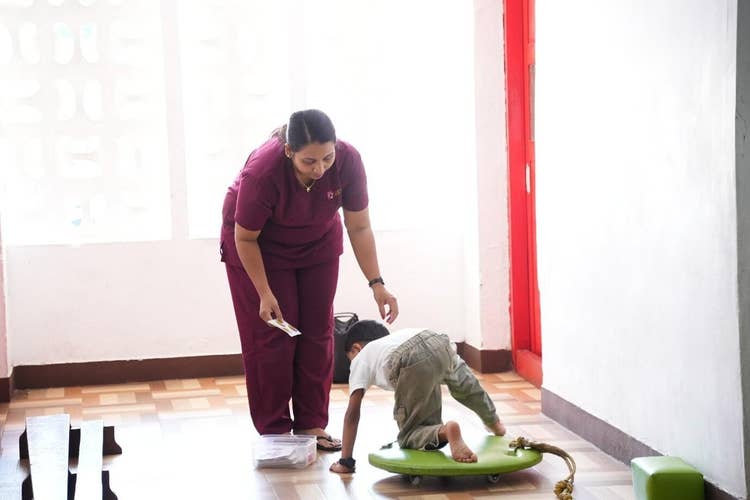
Children often experience big emotions and sensory overload, and they don’t always have the tools to manage them. “Regulation” means helping a child feel calm, focused, and in control of their body and emotions. Paediatric occupational therapy often uses simple, fun activities to support this.
Here are 5 effective activities you can try at home or in therapy:
1. Deep Pressure “Bear Hugs”
Deep pressure input can be very calming for many children.
How to do it:
- Give firm (but gentle) hugs
- Wrap the child in a blanket like a “burrito”
- Use a pillow to gently press on arms and legs
Why it works:
Deep pressure helps the nervous system feel safe and organized, making it easier for the child to relax.
2. Heavy Work Activities
“Heavy work” involves pushing, pulling, or carrying objects.
Ideas:
- Carrying books or groceries
- Pushing a laundry basket
- Wall push-ups
Why it works:
These activities provide proprioceptive input (body awareness), which is very grounding and regulating.
3. Breathing Games
Turning breathing into a game makes it easier for children to engage.
Try this:
- Blow bubbles
- Pretend to blow out candles
- Use a pinwheel
Why it works:
Slow, controlled breathing calms the body and reduces stress.
4. Sensory Play
Hands-on play can help children process sensory input in a safe way.
Examples:
- Playing with sand, rice, or slime
- Water play
- Finger painting
Why it works:
Sensory play helps children explore and regulate responses to different textures and sensations
5. Movement Breaks
Sometimes kids need to move to calm down.
Activities:
- Jumping on a trampoline
- Animal walks (bear walk, crab walk)
- Dancing to music
Why it works:
Movement helps release excess energy and improves focus and mood.
Final Thought
Every child is different—what works for one may not work for another. The key is to observe what helps your child feel calmer and more organized.
If a child frequently struggles with regulation, consulting a pediatric occupational therapist can provide personalized strategies and support.