
When to Start Occupational Therapy for Handwriting & Coordination Problems
Parents often notice:
• Poor pencil grip
• Slow writing
• Avoidance of drawing
• Messy handwriting
• Difficulty using scissors
These may indicate fine motor delay.
1️⃣ What Are Fine Motor Skills?
Fine motor skills involve:
• Finger strength
• Hand control
• Bilateral coordination
• Visual-motor integration
• Precision movements
Weak fine motor skills affect:
• Writing
• Dressing
• Buttoning
• Feeding
• Art activities
2️⃣ Signs of Fine Motor Delay
• Fist grip beyond age 5
• Complains of hand pain
• Avoids coloring
• Cannot tie shoelaces
• Struggles with small objects
3️⃣ Causes
Fine motor delay may be linked to:
• Low muscle tone
• Poor posture
• Sensory processing issues
• Developmental coordination disorder
• Autism
• ADHD
4️⃣ How Occupational Therapy Helps
OT strengthens:
• Intrinsic hand muscles
• Core stability
• Coordination
• Grip patterns
• Eye-hand coordination
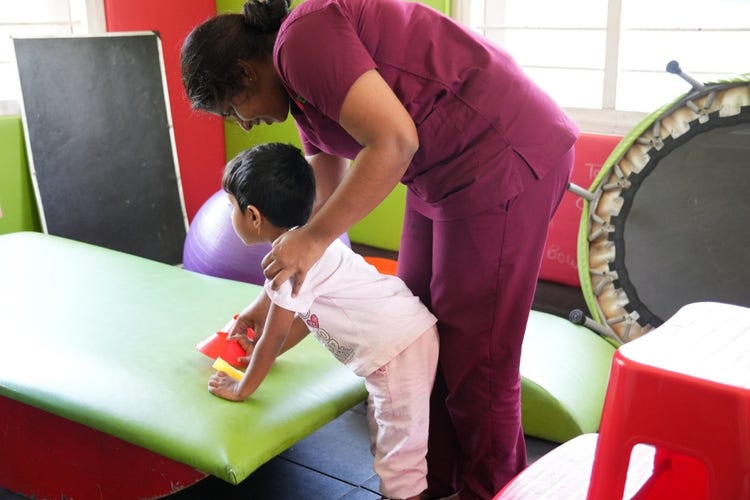
Activities may include:
• Resistance exercises
• Clay work
• Peg boards
• Fine manipulation tasks
• Writing training
5️⃣ Preventing Academic Frustration
Without intervention:
• Writing speed remains slow
• Confidence drops
• School avoidance increases
Early therapy improves both performance and self-esteem.
Conclusion
Handwriting struggles are rarely laziness.
They are often developmental skill gaps.
Occupational Therapy builds the physical and neurological foundation needed for academic success and independence.