
A Complete Parent Guide by JEWEL India (2026 Edition)
When a child struggles with attention, coordination, emotional regulation, sensory sensitivity, handwriting, feeding, or independence skills, parents often hear different suggestions — speech therapy, behaviour therapy, counselling, special education.
But one of the most powerful and misunderstood pillars of child development is Occupational Therapy (OT).
In India — especially in Kerala — awareness about structured, evidence-based Occupational Therapy is growing, but confusion still exists.
This guide will explain:
•What Occupational Therapy actually treats
•How OT supports autism, ADHD and developmental delays
•What sensory integration really means
•When to start OT
•What happens inside a session
•How to measure progress
•How to choose the right OT centre in Kerala and India
1️⃣ What Is Occupational Therapy for Children?
Occupational Therapy is a clinical intervention that helps children develop the skills required for daily life, learning, independence and regulation.
For children, “occupation” does not mean job.
It means meaningful daily activities such as:
• Sitting and focusing in class
• Writing
• Playing
• Dressing independently
• Feeding
• Emotional self-regulation
• Coordinating body movements
OT works on the brain-body connection.
It strengthens:
• Sensory processing
• Fine motor skills
• Gross motor coordination
• Balance and posture
• Bilateral coordination
• Executive functioning
• Emotional regulation
2️⃣ Why Occupational Therapy Is Essential in Autism
Autism is not just a communication disorder.
It affects:
• Sensory processing
• Body awareness
• Motor planning
• Emotional regulation
• Daily independence
Children with autism may experience:
• Meltdowns due to sensory overload
• Difficulty tolerating textures
• Fear of loud sounds
• Poor handwriting
• Weak posture
• Difficulty with self-care
Speech therapy alone cannot address these challenges.
Occupational Therapy addresses the neurological foundation beneath behaviour.
When sensory regulation improves:
• Attention improves
• Learning improves
• Communication improves
• Emotional stability improves
This is why structured OT is not optional in comprehensive autism intervention.
3️⃣ Sensory Processing Disorder (SPD) Explained
One of the most common reasons children need OT is Sensory Processing Difficulty.
The brain receives sensory input from:
• Touch
• Sound
• Movement
• Vision
• Smell
• Taste
• Body position
Some children are:
🔹 Over-responsive (hypersensitive)
• Cover ears
• Avoid touch
• Refuse certain clothes
• Panic in crowds
🔹 Under-responsive (hyposensitive)
• Seek constant movement
• Crash into furniture
• Jump excessively
• Appear “hyperactive”
🔹 Sensory-seeking
• Spin repeatedly
• Touch everything
• Chew objects
Sensory Integration Therapy helps the brain organise and respond to sensory input in a regulated way.
In Kerala and across India, many behavioural concerns are actually sensory regulation issues.
4️⃣ Occupational Therapy for ADHD
ADHD is often misunderstood as “just hyperactivity”.
But ADHD involves:
• Poor executive function
• Impulse control difficulty
• Regulation issues
• Poor body awareness
• Weak task planning
Occupational Therapy helps by working on:
• Structured movement regulation
• Attention-building activities
• Motor control
• Visual-motor integration
• Sensory modulation
When regulation improves, learning becomes easier.
5️⃣ Fine Motor & Handwriting Difficulties
Parents in Kerala often search for:
• “Child cannot hold pencil properly”
• “Handwriting therapy”
• “Poor grip child”
• “Slow writing problem”
Fine motor delay can include:
• Weak hand muscles
• Poor pencil grip
• Difficulty cutting with scissors
• Trouble buttoning clothes
• Avoidance of writing
OT strengthens:
• Finger strength
• Coordination
• Bilateral integration
• Eye-hand coordination
Early intervention prevents academic frustration later.
6️⃣ Gross Motor & Postural Issues
Some children:
• Slouch while sitting
• Get tired easily
• Avoid sports
• Trip frequently
• Cannot balance well
These may indicate:
• Core weakness
• Poor motor planning
• Proprioceptive difficulties
Occupational Therapy builds foundational body stability required for learning and independence.
Feeding Therapy & Sensory Eating Issues
Feeding difficulty is common in autism and sensory disorders.
Signs include:
• Limited food variety
• Refusal of textures
• Gagging easily
• Eating only specific colours or shapes
Feeding therapy within OT framework addresses:
• Oral sensory processing
• Tolerance building
• Gradual exposure
• Structured mealtime strategies
8️⃣ Emotional Regulation & Meltdowns
Many parents mistake sensory overload for behavioural defiance.
When a child melts down due to:
• Noise
• Crowds
• Transitions
• Unexpected change
The root is often dysregulation.
OT helps children build:
• Self-regulation skills
• Body awareness
• Calming strategies
• Coping mechanisms
Regulation precedes behaviour.
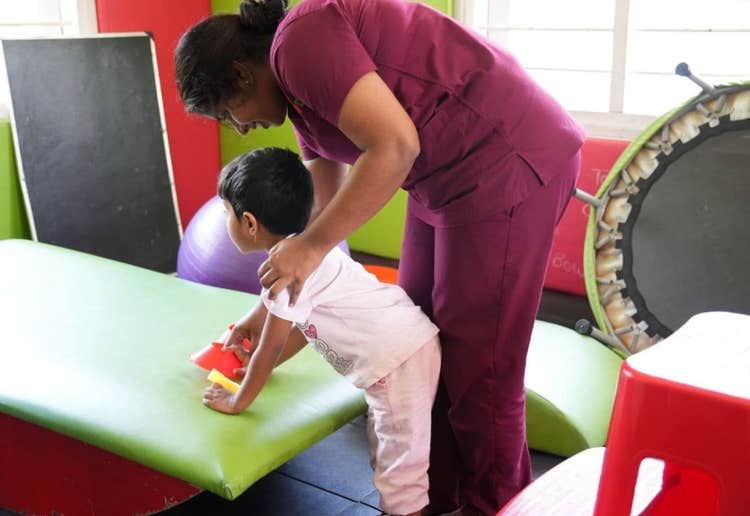
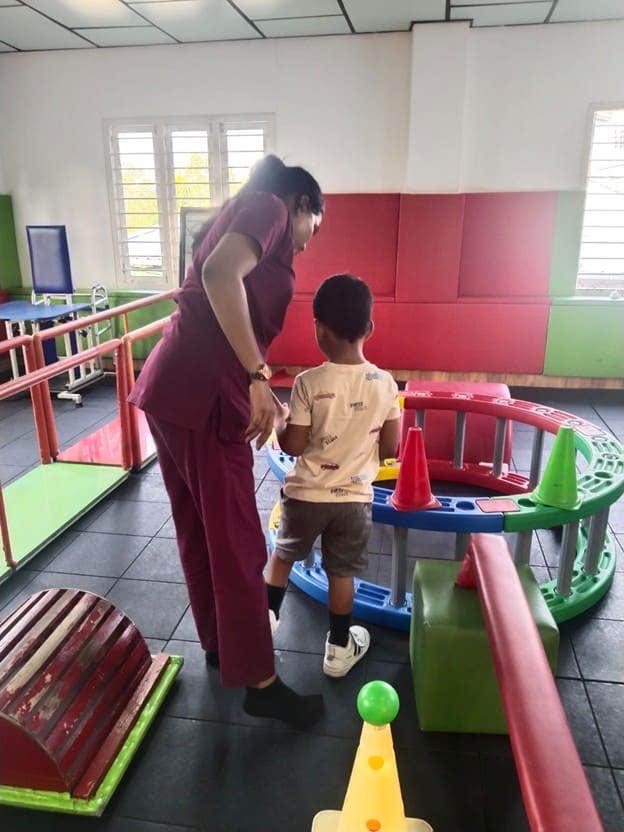
9️⃣ What Happens Inside an OT Session?
A structured Occupational Therapy session may include:
• Sensory integration activities
• Obstacle courses
• Balance tasks
• Fine motor strengthening
• Core exercises
• Hand function training
• Regulation activities
Sessions are goal-based.
Progress is measured through:
• Skill acquisition
• Tolerance improvements
• Behavioural stability
• Increased independence
🔟 When Should Parents Start OT?
Early signs include:
• Delayed milestones
• Poor attention
• Frequent meltdowns
• Sensory avoidance
• Clumsiness
• Fine motor delay
• Feeding refusal
The earlier OT begins, the better the brain’s adaptability (neuroplasticity).
1️⃣ How Many Sessions Are Needed?
This depends on:
• Severity of difficulty
• Age of child
• Consistency of sessions
• Home program implementation
Many structured programs in India recommend 2–5 sessions per week depending on needs.
Consistency is critical.
2️⃣ How to Choose the Right Occupational Therapy Centre in Kerala or India
Parents should check:
• Is assessment structured and standardised?
• Are goals measurable?
• Is progress tracked regularly?
• Is therapy individualised?
• Is there multidisciplinary collaboration (speech, behaviour, psychology)?
• Is parent training included?
Avoid centres that:
• Offer generic sessions without goals
• Do not provide progress feedback
• Have no structured plan
1️⃣3️⃣ Why Multidisciplinary Therapy Works Better
Children rarely need only one service.
They often benefit from:
• Occupational Therapy
• Speech Therapy
• Behaviour Therapy
• Special Education
• Psychological support
When these services collaborate, outcomes accelerate.
1️⃣4️⃣ Occupational Therapy in Kerala – The Growing Need
Kerala has increasing awareness about:
• Autism
• ADHD
• Developmental delay
• Early intervention
However, access to structured, evidence-based OT remains uneven.
Parents should seek centres that provide:
• Evidence-driven models
• Sensory integration expertise
• Data tracking
• Team-based care
1️⃣5️⃣ Frequently Asked Questions
Is Occupational Therapy only for autism?
No. It supports ADHD, developmental delay, coordination disorders, learning difficulties and sensory challenges.
At what age should OT begin?
As early as signs appear — even before age 2.
Can OT improve attention?
Yes, by improving regulation and executive functioning.
Is sensory integration scientifically supported?
Structured sensory integration has evidence supporting regulation and participation improvements.
How long before results show?
Initial changes may appear within weeks; long-term gains require consistent therapy.
Conclusion
Occupational Therapy is not a secondary service.
It is a neurological foundation intervention.
When sensory regulation, motor coordination and emotional stability improve:
• Speech improves
• Behaviour improves
• Academic readiness improves
• Independence increases
For families across Kerala and India seeking structured developmental support, Occupational Therapy plays a central role in comprehensive child intervention.