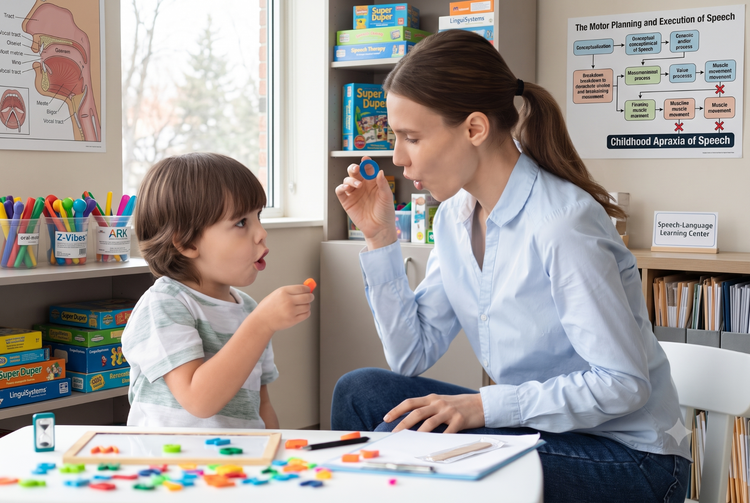
A speech therapist demonstrates mouth movements to a young boy during a specialized motor-planning session for Childhood Apraxia of Speech.

Childhood Apraxia of Speech (CAS)

Childhood Apraxia of Speech (CAS): Building Neural Pathways for Clear Communication

Childhood Apraxia of Speech (CAS) Support and Speech-Language Therapy is a specialized, intensive intervention program engineered to help children overcome motor speech coordination hurdles and discover their true voice. Rather than stemming from muscle weakness or structural limitations, CAS is a neurological speech sound disorder where the brain struggles to plan and coordinate the precise, rapid sequences of muscle movements required for clear speech.

Our targeted therapeutic approach focuses directly on repetitive motor-planning practices, tactile-kinesthetic cueing, prosody (intonation) development, and syllable transitions, significantly reducing the deep communicative frustration and social anxiety that often impact a young child's daily life.

Through highly structured, dynamic, and goal-oriented sessions, this specialized therapy empowers children to build articulatory precision, vocal confidence, and essential expressive language skills. Every intervention matrix is entirely customized to chart onto the child’s specific motor-speech profile, current phonetic inventory, and natural communication environment—ensuring steady, measurable milestones at home, in the clinic, and across preschool or school settings.

A pediatric speech-language pathologist provides dynamic visual cues to help a child coordinate precise vocal sequences in a clinic.

What is Childhood Apraxia of Speech?
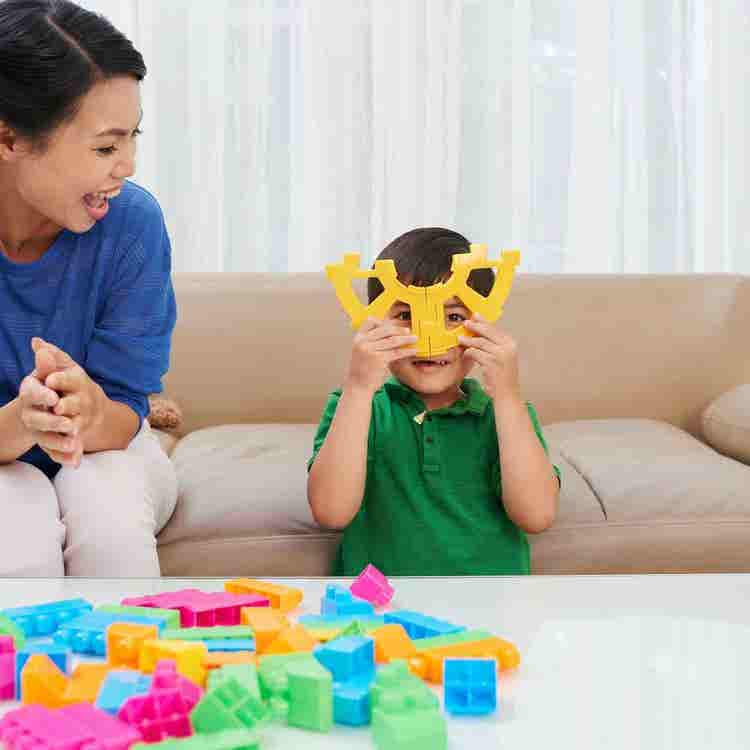
A focused clinician guides a young child through repetitive articulation practice to improve speech sound consistency and overall intelligibility.

Childhood Apraxia of Speech (CAS) is a neurodevelopmental condition that alters how the brain plans, programs, and executes the complex muscle movements of the tongue, lips, jaw, and vocal cords needed to produce intelligible speech. Having CAS has absolutely no correlation with a child's underlying cognitive intelligence, comprehension, or desire to speak; rather, it means their brain experiences a routing disconnect when translating an intended thought into the physical motor sequences of spoken language.

These persistent challenges typically surface during early speech development, affecting the foundational neural pathways used for motor sequencing, syllable rhythm, and phonetic consistency.

Our specialized programs systematically assess and support:

Motor-Speech Programming and Sequencing: Tracking a child's capability to plan, coordinate, and smoothly transition muscle movements from one sound or syllable to the next.

Articulatory Consistency and Precision: Assessing why a child might produce a specific word correctly once, but articulate it completely differently when trying to repeat it.

Prosody, Rhythm, and Intonation Control: Evaluating a child's speech melody, ensuring they can properly manage syllable stress, vocal pitch, and natural pauses so their speech does not sound robotic or monotone.

Vowel and Consonant Accuracy: Mapping distorted vowel sounds, omitted consonants, or structural sound substitutions that severely diminish overall speech intelligibility.

Functional Communication and Social Resilience: Mitigating communicative frustration, social withdrawal, or selective mutism that often manifest when a child feels misunderstood by peers or caregivers.

Core Challenges Addressed in Childhood Apraxia of Speech Services
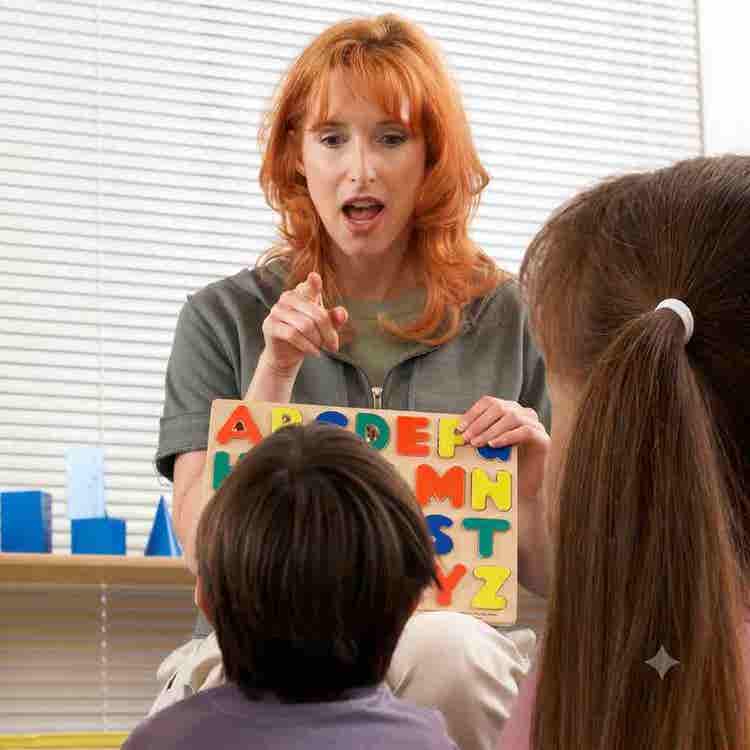
An educator teaches phonetic consistency and letter recognition to young children using an interactive alphabet puzzle in a classroom.

Inconsistent Speech Sound Errors

Children who struggle to maintain phonetic consistency, frequently producing the exact same word or syllable string in different ways across multiple attempts..
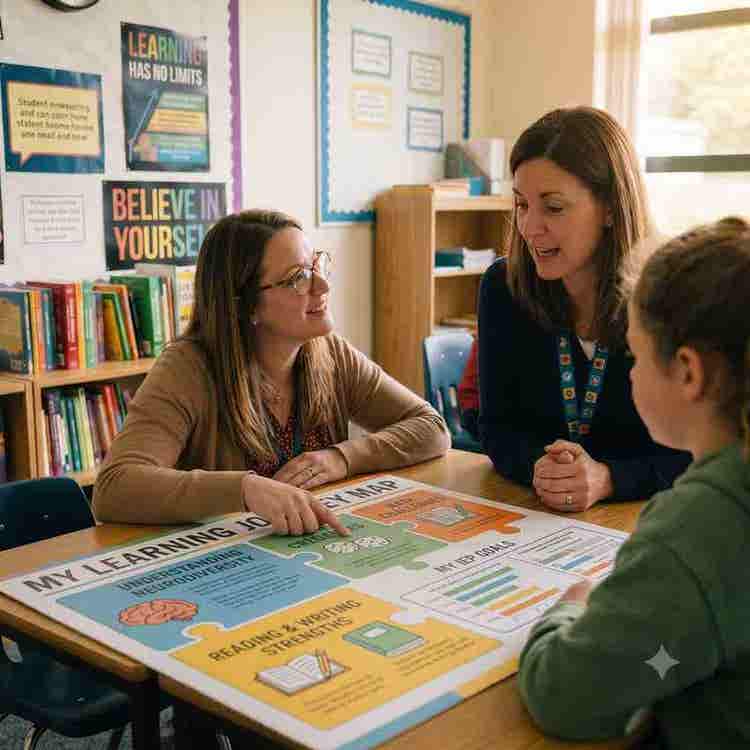
A specialized clinician provides direct visual cues during an intensive motor-planning speech therapy session focused on pronunciation and articulation.

Vowel Distortions and Substitutions

Individuals dealing with altered, lengthened, or swapped vowel sounds (e.g., saying "coo" instead of "cat"), which heavily impacts general speech clarity.
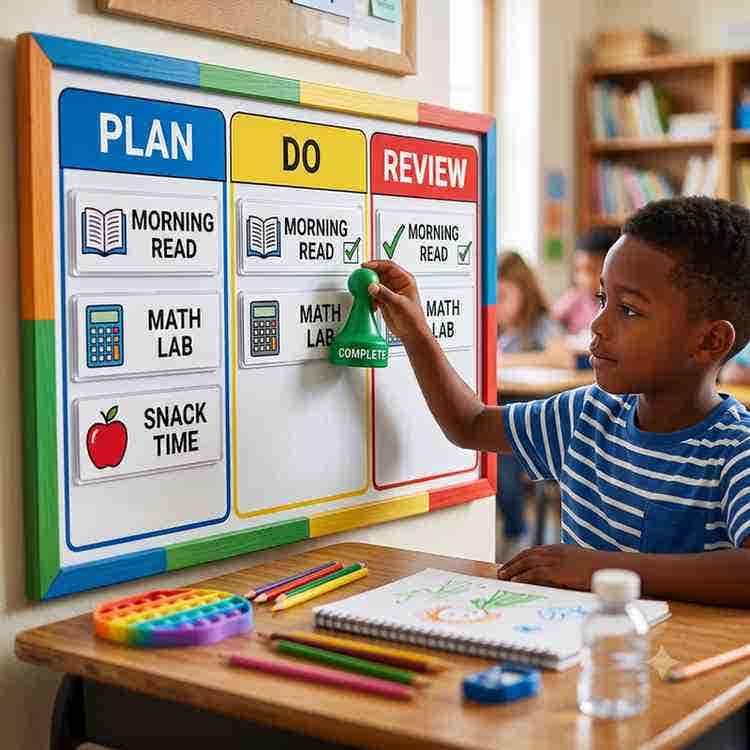
movements as they struggle to find the correct motor position to initiate speech sounds.

Syllable Transition & Groping Difficulties

Children facing visible physical effort, jaw searching, or facial "groping" movements as they struggle to find the correct motor position to initiate speech sounds.
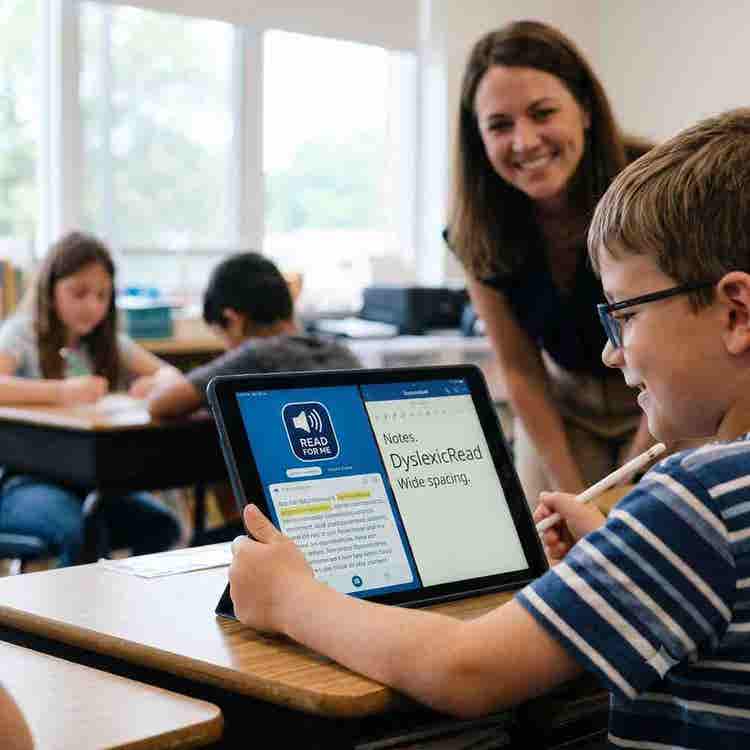
A smiling young girl engages with colorful modeling clay during a structured pediatric sensory integration session at a development center.

Disrupted Prosody & Speech Rhythm

Struggles with natural speech timing, resulting in inappropriate pauses between words, monotone delivery, or equal stress placed on every syllable.

A smiling young girl engages with colorful modeling clay during a structured pediatric sensory integration session at a development center.

Limited Early Vocalizations

Infants or toddlers who present with a history of quiet babyhood, showing minimal babbling, fewer consonant sounds, or late onset of first words.
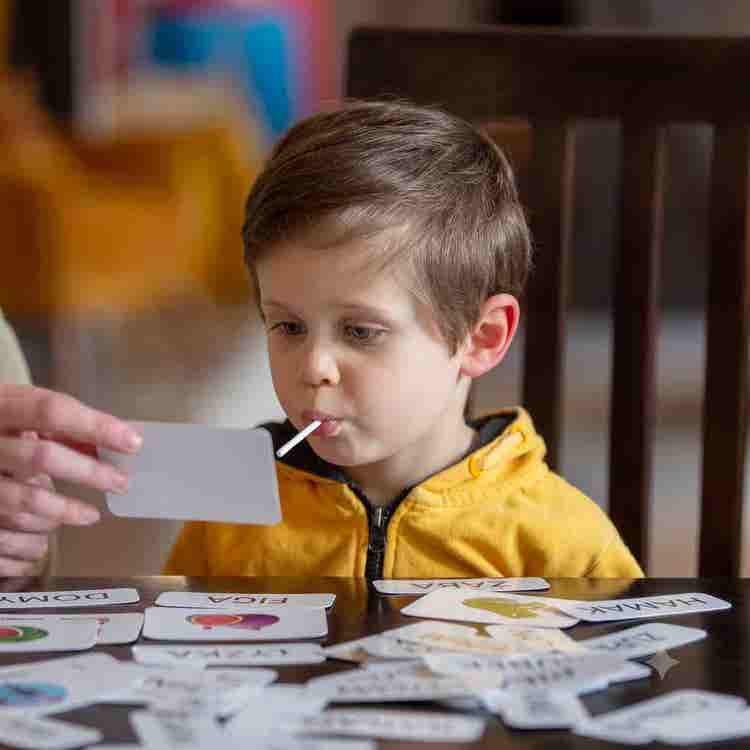
A focused young student strengthens fine motor skills and tactile awareness using vibrant modeling dough in a supportive therapy setting.

Co-occurring Expressive Language Delays

Children navigating underlying gaps in grammar, sentence construction, and vocabulary acquisition, compounding their physical speech production challenges.

Signs Your Child May Need Motor-Speech and CAS Support

Recognizing whether a child requires specialized motor-speech intervention involves looking for structural inconsistencies in vocal output rather than basic developmental speech delays. Common early indicators include a quiet infancy with distinctively limited babbling, late emergence of first words, and an inability to reliably imitate simple sounds on command. As children grow, signs manifest as a stark contrast between their high receptive language (they understand everything said to them) and their low expressive output.You may notice physical red flags, such as visible jaw groping or searching behaviors when trying to talk, simplified word structures where sounds are heavily omitted, or a tendency for speech clarity to rapidly decrease as sentences get longer.Furthermore, a child might easily say a complex word voluntarily but completely fail to produce it when asked to repeat it intentionally. If a child demonstrates severe frustration, relies heavily on gestures or pulling hands to communicate, or fails to make predictable progress with generic speech therapy, a specialized motor-speech evaluation is highly recommended.

Our Core Program Pillars Include:

Multisensory Motor-Learning Methods: We do not rely on standard repetition alone. We implement globally validated motor-learning protocols (such as PROMPT or DTTC), using tactile pressure touches on the face, visual hand cues, and auditory modeling simultaneously to manually help the brain script new motor pathways.

High-Frequency, Intensive Therapy Planning: Motor-speech planning requires frequent, short bursts of practice to build automatic neural muscle memory. We design high-frequency treatment blocks, prioritizing consistency to achieve the fastest possible outcomes.

Alternative & Augmentative Communication (AAC) Integration: To bridge the communication gap and remove immediate emotional frustration, we dynamically incorporate visual signs, picture exchange systems (PECS), or speech-generating apps while simultaneously working on verbal production.

Functional Home & School Care Plans: Our specialists map therapy directly into your child's daily routine, providing families and educators with concrete, bite-sized motor-speech exercises to reinforce speech clarity during play, meals, and classroom interactions.

Recognized By Major Gulf & Indian News Platforms

What Parents Say

Shiba Shiny Babu's Review

Shiba Shiny Babu

Jewel autism centre is a highly professional center for autistic kids. The staffs of jewel are very friendly and responsible. They have change the life of many kids including my cousins child. I appreciate each and every staff for their kind cooperation and dedication.

Nisthul Bensi's Review

Nisthul Bensi

Jewel Autism Centre is a well developed centre in Kottayam for all the developmental issues in children. They provide Speech Therapy, Occupational Therapy, Special Education and Behavioral Therapy with qualified professionals. I highly recommend this centre.

John Mathew

John Mathew

Jewel Autism Centre is the best child development center in India which provides various services such as Speech Therapy, Occupational Therapy, Special Education, Physiotherapy, Behavioural Therapy and Child Psychology under the same roof.

Aksha Varghese

Aksha Varghese

Really good place for therapy. All sorts of therapy are available. Many changes were observed after coming to this institution. Really good service was available.

Abey Varghese

Abey Varghese

It is a team approach. Which benefitted the child a lot. Many changes were observed in the child. Activities were also provided for the child to do at home. Really good and thrust worthy institution.

Mini Thomas

Mini Thomas

Our journey with jewel so far has been very good.Our son has shown good changes with 3 months therapy and we are planning to stay on more .We really appreciate the hard work put by therapists in understanding the child's needs and implementing a goal oriented approach.We high recommend this institute to everyone.

Rihan Jojo

Rihan Jojo

My name is Anu from Palakkad. I brought my 4½-year-old son to Jewel with no speech or eye contact. Within one month, I saw great improvement—he started speaking, sitting better, and even writing letters. I’m very thankful to the caring therapists at Jewel.

Noah Rudra Rahul

Noah Rudra Rahul

Jewel Autism Center has been a wonderful choice for us. We’ve seen great progress in our son. The therapists are professional, caring, and involve parents in goal setting. My son enjoys the sessions, has a strong bond with the therapists, and the center feels like a second home.

Chimi pema Dakpa

Chimi pema Dakpa

Jewel Autism and Child Development Center is an excellent place with highly trained and dedicated therapists. The transparency of allowing parents to observe sessions is truly valuable. My son has shown remarkable progress in a short time, and I’ve also learned a lot as a mother. I’m very grateful to the entire Jewel team for their care and support.

Parvana

Parvana

I’m grateful to the entire Jewel Autism Development Centre team for their dedication. When we joined, my daughter had poor eye contact, no response to her name, and attention difficulties. After a year of therapy, she has made remarkable progress. Special thanks to all the therapists and staff for their support.

Lionel

Lionel

Jewel Autism and Development Center has been a great support for our child. In just five months, we’ve seen remarkable progress in communication, participation, and learning. We sincerely thank the management, therapists, and staff and highly recommend Jewel to other families.

Shiva Nadhu

Shiva Nadhu

We have been attending this therapy centre for the past six months and are very satisfied. The OT, SE, and Speech sections are excellent, with clear monthly goals and progress reviews. The therapists are professional, caring, and give personal attention, while the social work team is very supportive. We are seeing steady improvement and appreciate the team’s dedicated efforts.

Jake Nikhil

Jake Nikhil

Jewel in Kottayam is a world-class facility with over two decades of experience in childhood development. Skilled therapists, efficient staff, and excellent management make it highly recommended for children needing developmental support. Families from across the world trust their international-standard care!

Anu Peter

Anu Peter

"I've been taking my child to Jewel Child Development Center in Kakkanad for therapy, and the experience has been truly heartening. Finding the right support for your child can be overwhelming, but the team here makes the journey so much easier. The therapists are not only highly skilled but also genuinely bond with the kids, making the sessions feel more like guided play than clinical work. I've seen a visible shift in my child's confidence and skills since we started. They are also very transparent with progress reports, which helps us stay on track as parents. For anyone in the Kochi area looking for a supportive and professional environment for their child's growth, Jewel is definitely a place you can trust."

FAQ

What is Childhood Apraxia of Speech (CAS)?
Childhood Apraxia of Speech is a neurological speech sound disorder where the brain struggles to plan and coordinate the precise sequences of muscle movements required for clear speech. The muscles themselves are not weak, but the brain's "programming instructions" to the mouth are disrupted.
Is Childhood Apraxia of Speech the same as a developmental speech delay?
No. In a standard speech delay, a child follows a typical speech development timeline but at a slower pace. In CAS, the child's motor-planning system is disordered, causing unique phonetic errors, vowel distortions, and inconsistent word production that require specialized motor-learning therapies.
Can a child outgrow Apraxia of Speech?
No, children do not naturally outgrow CAS. Because it is a neurological motor-planning challenge, it requires targeted, evidence-based speech remediation. With early and intensive specialized therapy, children learn to script correct motor movements and can achieve excellent verbal clarity.
How is Childhood Apraxia of Speech diagnosed?
A definitive diagnosis is made by a certified Speech-Language Pathologist (SLP) who specializes in motor-speech disorders. The assessment involves evaluating oral-motor mechanics, syllable transitions, speech consistency, prosody, and the child's response to dynamic motor cueing..
At what age can a child be assessed for CAS?
While early warning signs can be monitored in infancy, a reliable formal diagnosis is typically made between the ages of 2.5 and 3 years, as the child begins to attempt longer, multi-syllable speech strings and intentional communication.
Is CAS caused by a lack of intelligence or poor parenting?
Absolutely not. CAS is biological and neurodevelopmental in origin, often linked to complex genetic factors influencing early brain pathway wiring. It has no correlation with a child’s intellectual capability, screen habits, or parenting styles.
?What is the most effective therapy method for CAS?
The gold standard relies on motor-learning principles rather than traditional articulation drilling. Methods such as DTTC (Dynamic Temporal and Tactile Cueing) and PROMPT (Prompts for Restructuring Oral Muscular Phonetic Targets) are globally recognized for their direct tactile and visual feedback systems.
Can a child with CAS attend a mainstream school?
Yes. The vast majority of children with apraxia thrive in mainstream classrooms when supported by consistent clinical speech therapy and reasonable accommodations, such as visual schedules, simplified oral assessments, or assistive communication tools.
What accommodations can schools provide for children with CAS?
Common school accommodations include allowing alternative communication tools, giving extra time for oral responses, avoiding mandatory reading aloud in front of peers, utilizing visual matching tasks, and reducing pacing pressures during speech tasks.
Does using signs or AAC devices stop a child from talking?
No, this is a common misconception. Research shows that Augmentative and Alternative Communication (AAC), like signing or communication apps, actually reduces communicative frustration and stimulates natural speech development by taking the immediate motor pressure off the child.
How can I distinguish between a standard speech sound error and apraxia?
A standard speech error is usually consistent—for example, always swapping the "R" sound for a "W." A child with apraxia might pronounce the same target word three different ways within one minute, showing vowel changes or physical struggling.
What is "groping" behavior in speech?
Groping refers to the visible, physical searching movements a child’s jaw, lips, or tongue make when trying to find the correct placement to initiate a sound. It is a key behavioral sign of the brain trying to resolve a motor-programming disconnect.
Can adults be diagnosed with Apraxia of Speech?
Yes. Adults can experience apraxia, which is typically called Acquired Apraxia of Speech, often resulting from a stroke, traumatic brain injury, or neurological condition later in life. Childhood Apraxia of Speech, however, is present from early development.
Are there other conditions that frequently co-occur with CAS?
Yes. Children with CAS can sometimes present with sensory processing differences, fine or gross motor coordination challenges (dyspraxia), delayed expressive language skills, or subtle reading and writing difficulties later in school.
How can parents support a child with apraxia at home?
The most vital step is removing emotional communication pressure. Practice short, positive, multi-sensory speech games daily, speak slowly to give them an easy model to track, respond immediately to their non-verbal gestures to build confidence, and emphasize their unique talents.