
Developmental Delay in Children
Early Identification and Intervention for Better Outcomes
Developmental delay therapy is a comprehensive, multidisciplinary intervention framework structured to support children who experience a significant lag in reaching age-appropriate physical, cognitive, or behavioral milestones. Rather than tracking a singular challenge, our approach systematically addresses delays across key functional areas—including gross and fine motor tracking, expressive and receptive communication, social-emotional learning, and cognitive adaptability—ensuring your child has the tools needed to overcome early barriers to growth.
This specialized clinical strategy is specifically engineered to foster long-term personal independence, self-confidence, and vital everyday life skills through highly targeted, goal-oriented therapy sessions. Because developmental paths vary significantly, our therapeutic programs reject rigid "one-size-fits-all" systems; instead, they are meticulously customized to leverage each child's unique inherent strengths, systematically remediate specific physical or learning challenges, and optimize their functional capabilities across home, school, and social community environments.
Commencing early clinical intervention is deeply critical to a child's lifelong trajectory. By introducing targeted physical, occupational, or speech therapies at the very first indication of a milestone divergence—even before a definitive clinical diagnosis is finalized—we actively leverage the immense neuroplasticity of early childhood. This proactive care model prevents minor developmental gaps from widening into persistent challenges, helping children manage daily routines smoothly and transition seamlessly into mainstream classroom settings.
At our centre, we are firmly anchored by the belief that every child possesses an extraordinary potential to thrive. Our multidisciplinary team—comprising certified occupational therapists, speech-language pathologists, clinical psychologists, and pediatric specialists—uniquely blends evidence-based, scientifically validated interventions with compassionate, family-centered care to drive sustainable, measurable progress for your child at every stage of their development.

What is Developmental Delay?
Developmental delay occurs when a child does not reach expected developmental milestones within the typical age range. These delays may affect one or more areas of development, including speech and language, motor skills, social interaction, cognitive abilities, and daily living skills.
While every child develops at their own pace, significant delays may indicate the need for professional assessment and early intervention.
At JEWEL Autism Centre, our multidisciplinary team helps identify developmental delays early and provides personalized therapy programs to support each child's growth and development.
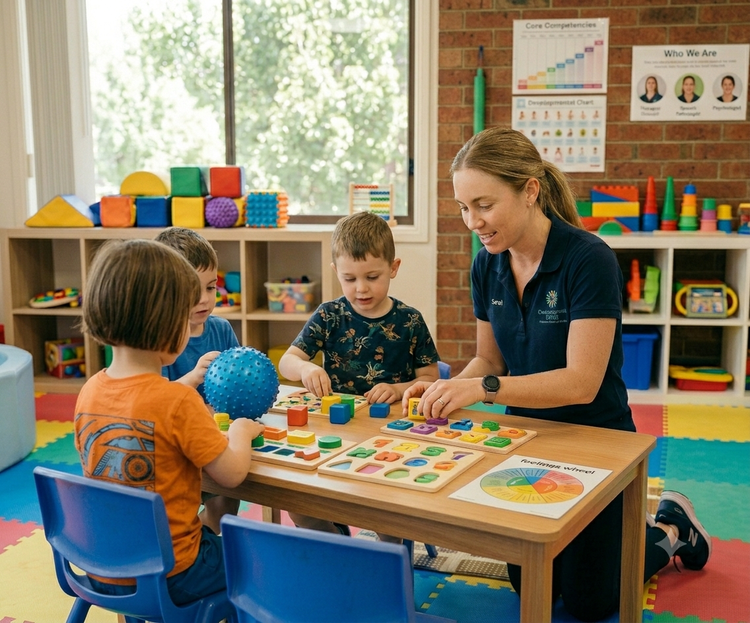
Conditions Supported Through Developmental delay in children

Speech and Language Delay
Supports children who experience delays in understanding language, expressing needs, developing vocabulary, or communicating effectively with others.

Global Developmental Delay (GDD)
Provides intervention for children showing delays across multiple developmental areas, including communication, motor skills, cognition, and social development.
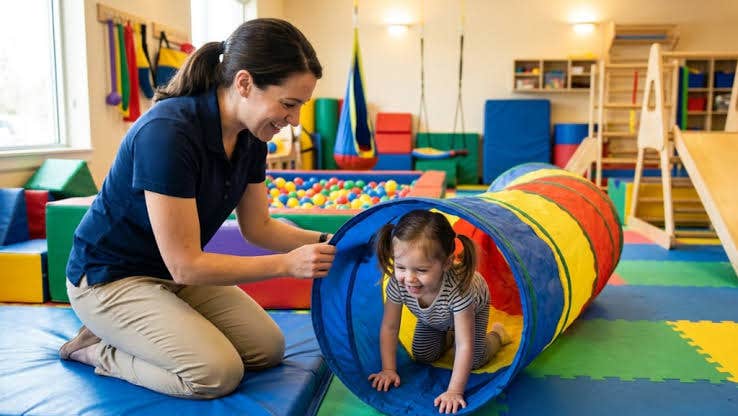
Autism Spectrum Disorder (ASD)
Helps address developmental challenges related to communication, social engagement, behavior, and adaptive functioning.
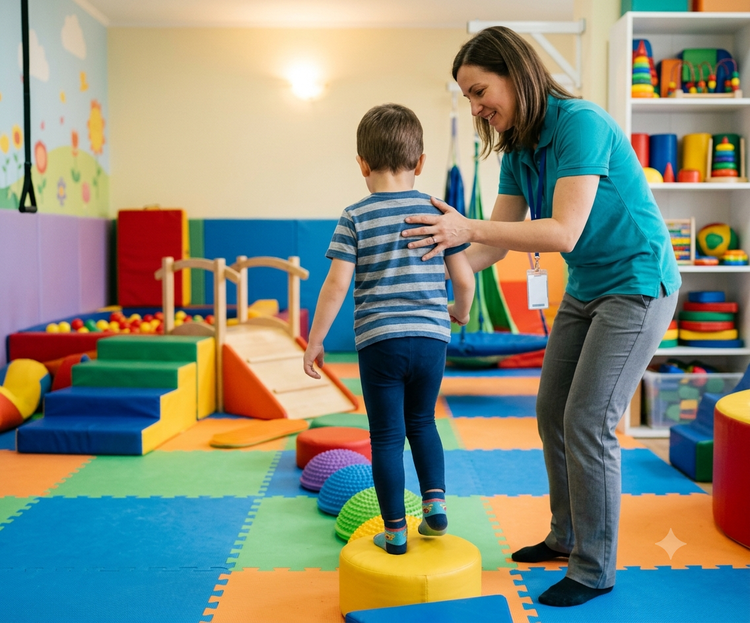
Motor Development Delay
Focuses on improving gross and fine motor skills, coordination, balance, and participation in daily activities.
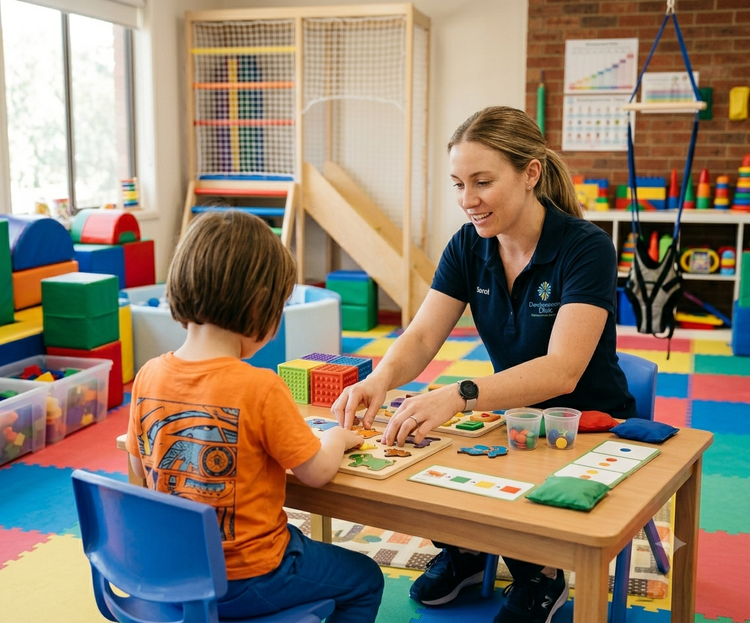
Learning Difficulties
Supports children who face challenges with attention, memory, problem-solving, and academic readiness skills.
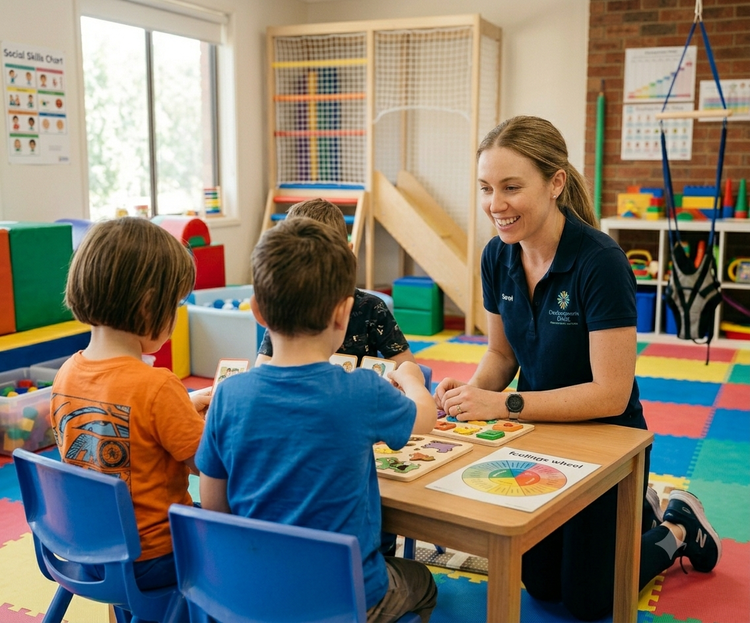
Social and Adaptive Skill Delays
Enhances social interaction, emotional regulation, self-care abilities, and independence in everyday routines.
Signs Your Child May Need Developmental Delay Intervention
Why Choose Our Developmental Delay Intervention Program?
Recognized By Major Gulf & Indian News Platforms







What Parents Say

Shiba Shiny Babu
Jewel Autism Centre, Kottayam, is undoubtedly one of the best autism treatment and support centres in India. The dedication and professionalism of the entire team are truly commendable. The staff provide excellent support and maintain clear, consistent communication with families, ensuring that parents are always informed and involved in their child's progress.
The therapists are highly trained, extremely patient, and genuinely caring in their approach. Their expertise and commitment create a positive and supportive environment for children to learn and grow.

Vihaan Kumar
I miss you. Vihaan is doing good in school. Good sitting ,Good eye contact with class teacher ,Good listening, Good group participation writing Thank you forever.
Shiba Shiny Babu
Jewel autism centre is a highly professional center for autistic kids. The staffs of jewel are very friendly and responsible. They have change the life of many kids including my cousins child. I appreciate each and every staff for their kind cooperation and dedication.

Nisthul Bensi
Jewel Autism Centre is a well developed centre in Kottayam for all the developmental issues in children. They provide Speech Therapy, Occupational Therapy, Special Education and Behavioral Therapy with qualified professionals. I highly recommend this centre.

John Mathew
Jewel Autism Centre is the best child development center in India which provides various services such as Speech Therapy, Occupational Therapy, Special Education, Physiotherapy, Behavioural Therapy and Child Psychology under the same roof.

Aksha Varghese
Really good place for therapy. All sorts of therapy are available. Many changes were observed after coming to this institution. Really good service was available.

Abey Varghese
It is a team approach. Which benefitted the child a lot. Many changes were observed in the child. Activities were also provided for the child to do at home. Really good and thrust worthy institution.

Mini Thomas
Our journey with jewel so far has been very good.Our son has shown good changes with 3 months therapy and we are planning to stay on more .We really appreciate the hard work put by therapists in understanding the child's needs and implementing a goal oriented approach.We high recommend this institute to everyone.
FAQ
Related reading
Articles from our clinical team on this topic:
- Celebrating Small Wins: Tracking Progress Beyond Milestones
- Occupational Therapy for Autism, ADHD & Developmental Delays in India
- Developmental milestones for two years old
- Food, nutrition & brain development: can diet improve developmental delays?
- Top 10 Benefits of Occupational Therapy for Children with Developmental Delays
- The "Wait and See" Trap: The Biggest Mistake Parents Make with Developmental Delays