Global Developmental Delay (GDD)
Global Developmental Delay (GDD): A Collaborative Path to Progress
Global Developmental Delay (GDD) therapy is a comprehensive, multidisciplinary approach designed to support children who experience significant delays in achieving expected milestones across multiple areas of functioning. GDD therapy focuses on developing essential, everyday abilities—including motor skills, speech and language, cognitive processing, and social-emotional learning—enabling children to overcome barriers to growth.
This specialized intervention is engineered to build long-term independence, self-confidence, and vital life skills through highly structured, goal-oriented therapy sessions. Rather than aiming for an immediate "cure," our programs are meticulously customized to capitalize on each child's inherent strengths, address their specific physical or cognitive challenges, and optimize their functional potential across home, school, and community environments.
Early clinical intervention is highly critical. By introducing targeted therapies at the earliest indication of a developmental lag, we harness the power of early neural development to help children catch up with their peers, manage daily routines smoothly, and transition successfully into mainstream educational settings.
At our centre, we are firmly committed to the belief that every child possesses the potential to thrive. Our multidisciplinary team of certified therapists, clinical psychologists, and pediatric specialists combines evidence-based therapeutic strategies with compassionate, family-centered care to drive sustainable, long-term progress for your child every single step of the way.

What is GDD Therapy?
Global Developmental Delay (GDD) therapy is an integrated clinical framework used to evaluate, track, and remediate systemic delays in a child's early functional lifecycle. Unlike traditional rigid testing that evaluates academic knowledge alone, GDD therapy focuses entirely on how effectively a child applies communicative, physical, and practical problem-solving skills in real-life, everyday situations.
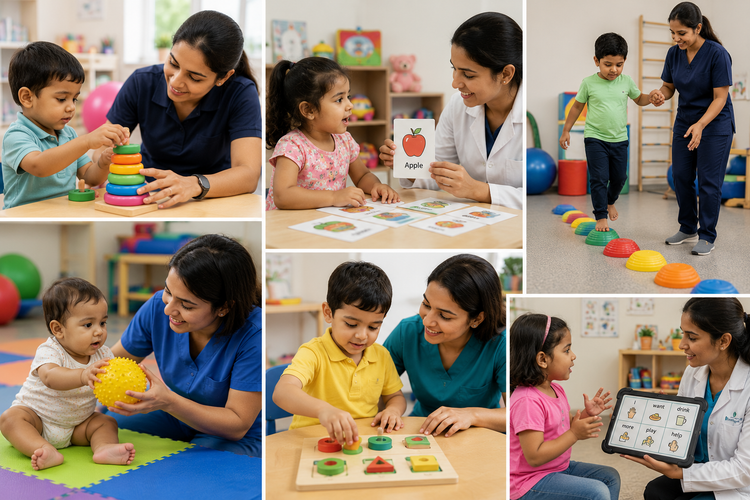
By taking a holistic view of the child's neurodevelopmental profile, our specialists can pinpoint exactly where milestone tracking has diverged, creating a clear blueprint for targeted adaptive skill development. GDD therapy directly assesses and targets:
- Receptive and expressive language development
- Fine motor dexterity and daily self-care mechanics
- Gross motor milestones, balance, and physical coordination
- Cognitive processing and practical problem-solving abilities
- Social-emotional regulation and cooperative peer play
Core Areas Supported Through GDD Therapy
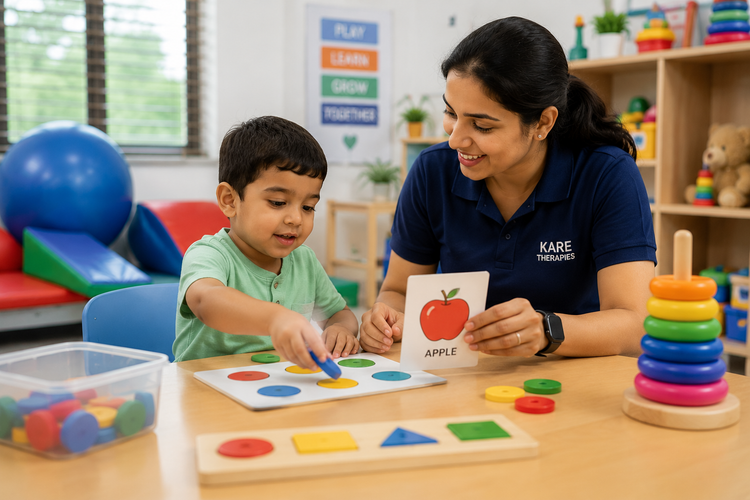
Speech & Language Pathology
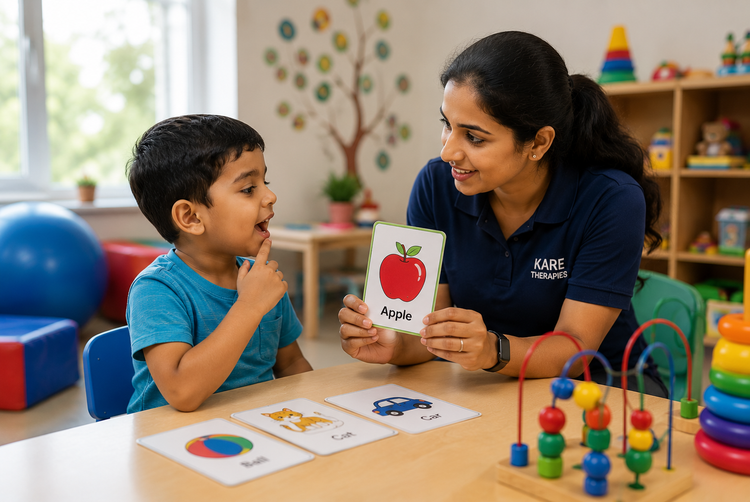
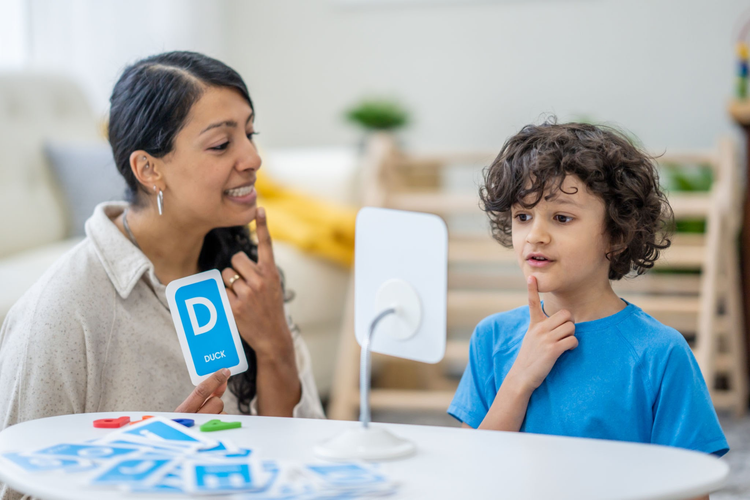
Addresses receptive and expressive language deficits, improving articulation, vocabulary, and implementing AAC tools for non-verbal communication.
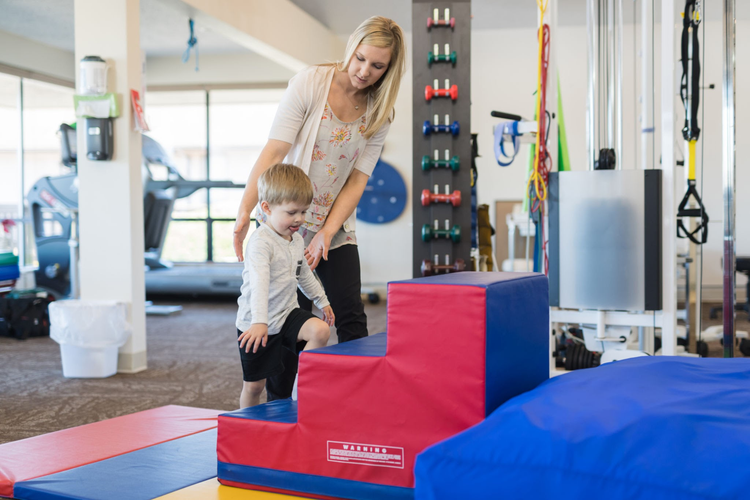
Physiotherapy (Physical Therapy)
Addresses gross motor dysfunction by targeting core muscle tone, postural control, static and dynamic balance, and gait. Therapeutic exercises are designed to optimise mobility, enabling the child to navigate their environment effectively.
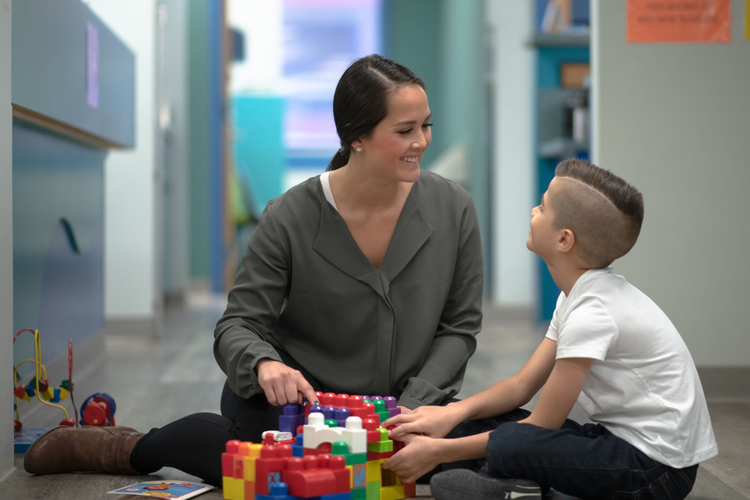
Behavioural Therapy
Utilises evidence-based frameworks, such as Applied Behaviour Analysis (ABA), to encourage adaptive behaviours. By employing positive reinforcement strategies, therapists support children in emotional regulation, reducing frustration-driven behaviours, and developing prosocial peer interactions.
Specialist Education & IEPs
Integrates structured pedagogical adjustments via Individualised Education Programmes (IEPs). This ensures that educational milestones are modified to align with the child’s cognitive processing speed and learning style.
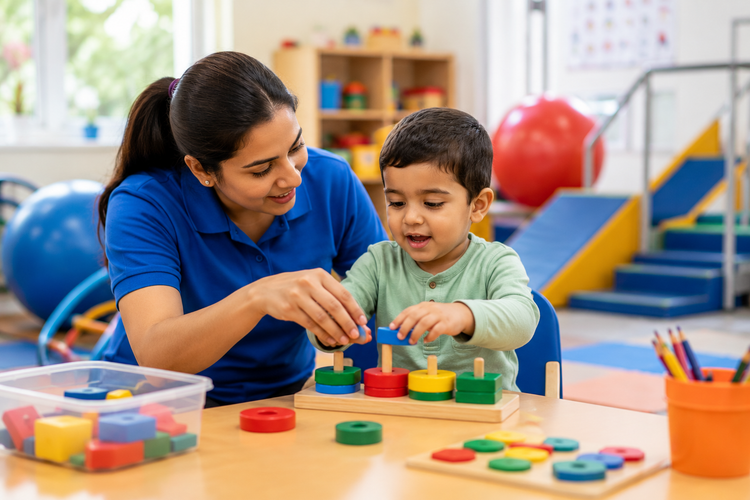
Occupational Therapy (OT)
Refines fine motor coordination, bilateral integration, and daily self-care skills while addressing underlying sensory processing challenges.
Social-Emotional Development
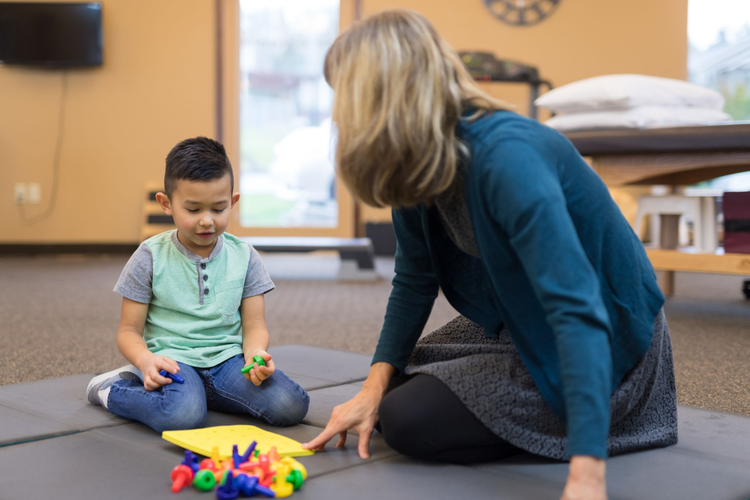
Guides children through cooperative play, peer interactions, and emotional self-awareness in natural, child-friendly environments.
Signs Your Child May Need GDD Therapy Training
GDD therapy focuses directly on building the practical life skills required to help children function more autonomously in their everyday environments. By proactively targeting milestone deficits in an integrated, multi-specialty framework, we help children move past foundational hurdles toward consistent, independent execution of daily tasks.
Early therapeutic intervention drastically reduces long-term structural dependence by addressing developmental gaps before they solidify into permanent, rigid behavioral patterns. Consistent, structured practice within our specialized spaces directly supports smoother family routines, increased personal confidence, and vastly improved participation across public and school settings.
- Delays in sitting, crawling, or independent walking
- Inability to utter single words or construct simple sentences past expected age benchmarks
- Difficulty mastering basic self-care tasks such as holding utensils or dressing
- Poor eye contact, lack of social smiling, or limited response to environmental cues
- Extreme challenges with environmental transitions or emotional self-regulation
- Weak muscle tone, persistent clumsy movements, or frequent balance issues
Why Choose Our GDD Program
Our multi-speciality team includes certified occupational therapists, speech-language pathologists, pediatric physiotherapists, behavior analysts, and developmental pediatricians who collaborate directly to ensure total, holistic progress for every child. Each dedicated team member brings specialized clinical expertise to craft an unified care pathway that respects and addresses your child’s total physical, behavioral, and emotional ecosystem.
Therapy sessions are delivered inside highly structured, state-of-the-art, child-friendly environments specifically designed to encourage organic learning through play, sensory integration, and clinical consistency. This nurturing setup ensures that children feel entirely safe, mentally engaged, and intrinsically motivated to participate in every developmental activity.
Furthermore, we work in close alignment with parents, school teachers, and international caregivers to ensure that clinical therapy goals are reinforced far beyond our facility walls. By providing clear strategies, direct guidance, and customized home-based routines, we empower families to foster their child's independent growth throughout everyday life.
Our ultimate mission is to build a supportive, comprehensive ecosystem where children don't just achieve their missing milestones, but also gain the enduring confidence, psychological resilience, and adaptive capabilities needed to truly thrive in all areas of life.
Recognized By Major Gulf & Indian News Platforms







What Parents Say

Shiba Shiny Babu
Jewel Autism Centre, Kottayam, is undoubtedly one of the best autism treatment and support centres in India. The dedication and professionalism of the entire team are truly commendable. The staff provide excellent support and maintain clear, consistent communication with families, ensuring that parents are always informed and involved in their child's progress.
The therapists are highly trained, extremely patient, and genuinely caring in their approach. Their expertise and commitment create a positive and supportive environment for children to learn and grow.

Vihaan Kumar
I miss you. Vihaan is doing good in school. Good sitting ,Good eye contact with class teacher ,Good listening, Good group participation writing Thank you forever.
Shiba Shiny Babu
Jewel autism centre is a highly professional center for autistic kids. The staffs of jewel are very friendly and responsible. They have change the life of many kids including my cousins child. I appreciate each and every staff for their kind cooperation and dedication.

Nisthul Bensi
Jewel Autism Centre is a well developed centre in Kottayam for all the developmental issues in children. They provide Speech Therapy, Occupational Therapy, Special Education and Behavioral Therapy with qualified professionals. I highly recommend this centre.

John Mathew
Jewel Autism Centre is the best child development center in India which provides various services such as Speech Therapy, Occupational Therapy, Special Education, Physiotherapy, Behavioural Therapy and Child Psychology under the same roof.

Aksha Varghese
Really good place for therapy. All sorts of therapy are available. Many changes were observed after coming to this institution. Really good service was available.

Abey Varghese
It is a team approach. Which benefitted the child a lot. Many changes were observed in the child. Activities were also provided for the child to do at home. Really good and thrust worthy institution.

Mini Thomas
Our journey with jewel so far has been very good.Our son has shown good changes with 3 months therapy and we are planning to stay on more .We really appreciate the hard work put by therapists in understanding the child's needs and implementing a goal oriented approach.We high recommend this institute to everyone.