Learning Disabilities
Learning Disabilities: Unlocking Potential and Empowering Young Learners
Learning Disabilities (LD) Support and Therapy is a specialized, evidence-based intervention system designed to help children overcome academic hurdles and achieve their true cognitive potential. Rather than focusing on a child's limitations, our targeted approach concentrates on developing vital neuro-academic skills such as phonological awareness, spatial-numerical tracking, graphomotor control, and reading fluency while reducing the frustration and anxiety that often accompany classroom learning.
This therapeutic approach empowers children to build self-reliance, academic confidence, and essential life skills through structured, encouraging, and goal-oriented sessions. Every intervention plan is entirely personalized to map onto the child’s unique cognitive profile, learning style, and academic environment, ensuring steady, measurable progress at home and in school settings.
While these intensive, structured remedial strategies are essential for children diagnosed with specific learning disabilities like Dyslexia, Dysgraphia, and Dyscalculia, they are also highly beneficial for children navigating Attention-Deficit/Hyperactivity Disorder (ADHD), language delays, and broader executive functioning challenges.

What are Learning Disabilities?
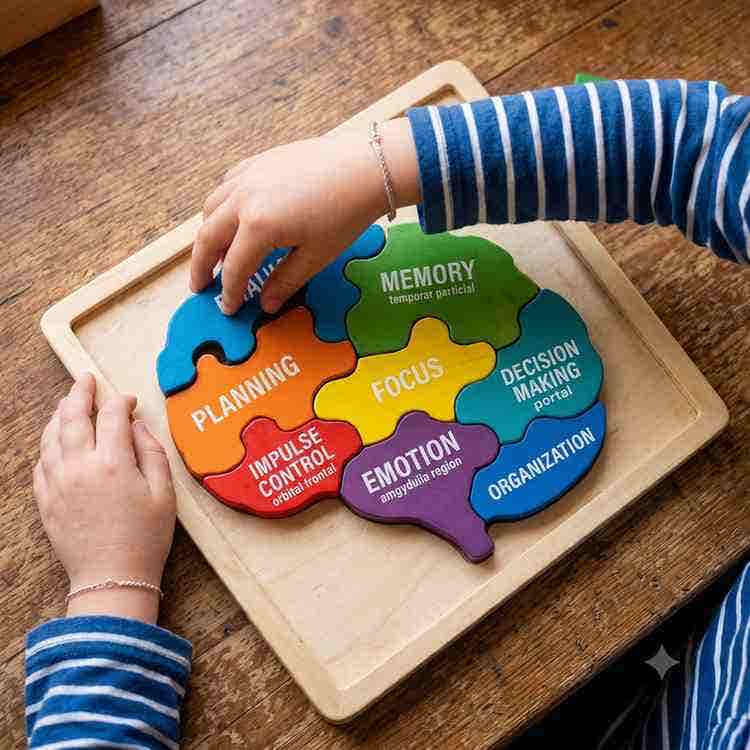
Specific Learning Disabilities (SLD) are neurodevelopmental conditions that alter how the brain receives, processes, stores, and responds to information. Having a learning disability has absolutely no correlation with a child's intelligence or motivation; rather, it means their brain is wired differently for specific academic tasks. These challenges typically surface in the core areas of reading, writing, and mathematics, affecting the fundamental neural pathways used for processing language and symbols.
Our specialized programs assess and support:
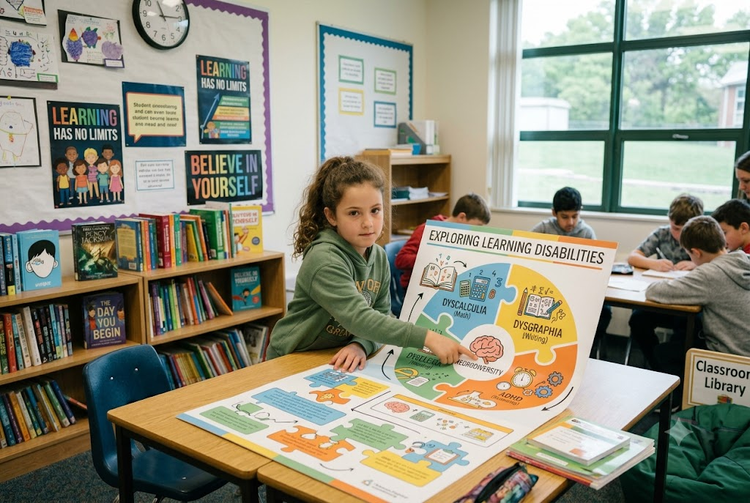
Phonological Processing and Reading Fluency (Dyslexia): Tracking a child's ability to map spoken sounds to written letters, decode words fluidly, accurately blend syllables, and comprehend written text.
Fine-Motor Integration and Written Expression (Dysgraphia): Assessing physical handwriting mechanics, letter spacing, spatial layout on paper, spelling consistency, and the cognitive process of organizing thoughts into cohesive sentences.
Numerical Reasoning and Spatial Concepts (Dyscalculia): Evaluating a child's core "number sense," their ability to grasp mathematical symbols ($+$, $-$, $\times$, $\div$), memorize basic math facts, read clocks, and process spatial layouts.
Working Memory and Information Retrieval: Managing how efficiently a child retains verbal or visual instructions long enough to execute an academic task without losing their place.
Academic Self-Esteem and Resilience: Identifying emotional blockages, performance anxiety, or avoidance behaviors that often mask a child's underlying learning difficulties in classroom settings.
Conditions Supported Through Learning Disability Services

Dyslexia (Reading Difficulties)
Children who struggle to read fluently, decode unfamiliar words, spell accurately, or fully comprehend written text despite normal intelligence.
Dysgraphia (Writing Difficulties)
Individuals dealing with illegible handwriting, inconsistent letter sizing, painful writing fatigue, or extreme difficulty putting thoughts into written words.
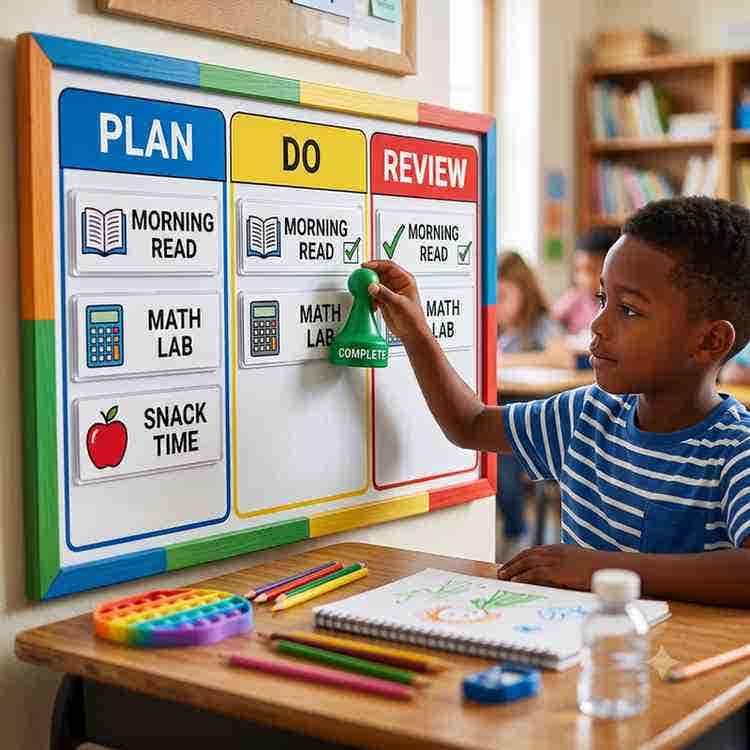
Dyscalculia (Math Difficulties)
Children facing severe hurdles in learning basic arithmetic, understanding number sizes, telling time, counting currency, or resolving word problems.
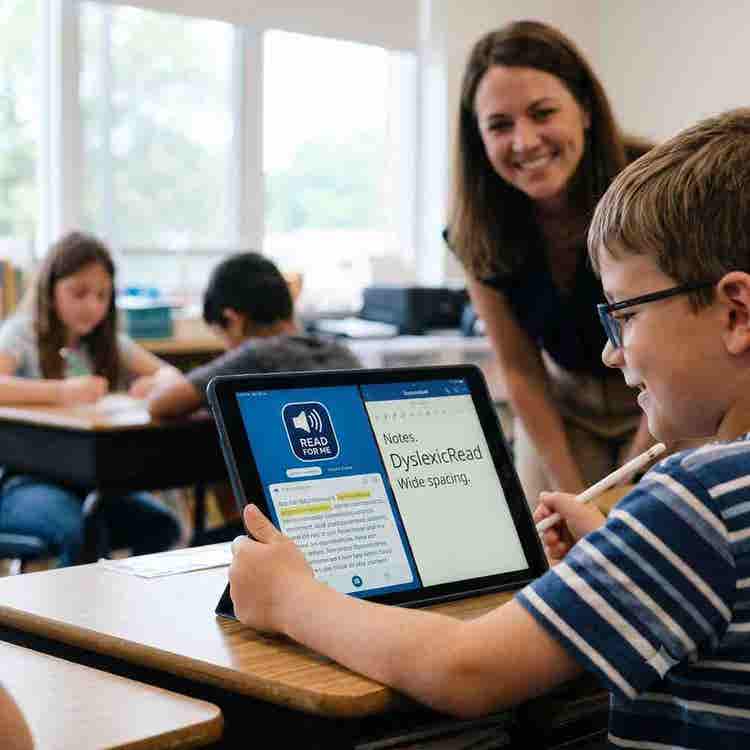
Executive Function Deficits
Struggles with organizing school assignments, planning multi-step projects, managing study time, and maintaining focus across subjects.
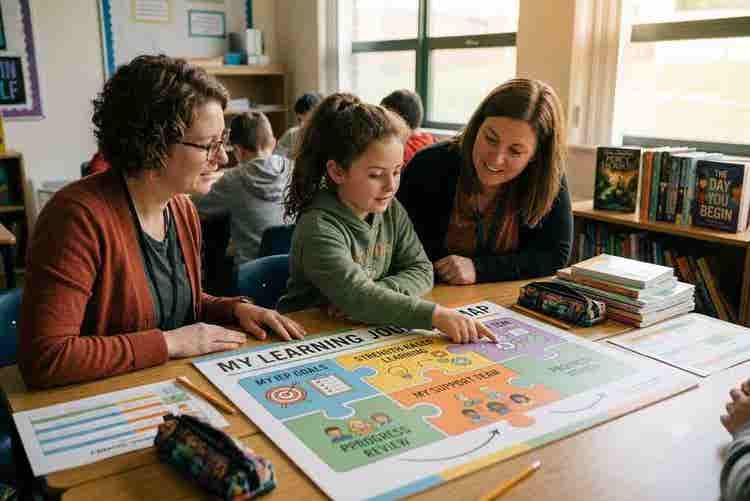
Co-occurring ADHD / ADD
Children navigating attention deficits alongside learning challenges, which compounds difficulties in reading comprehension and task completion.
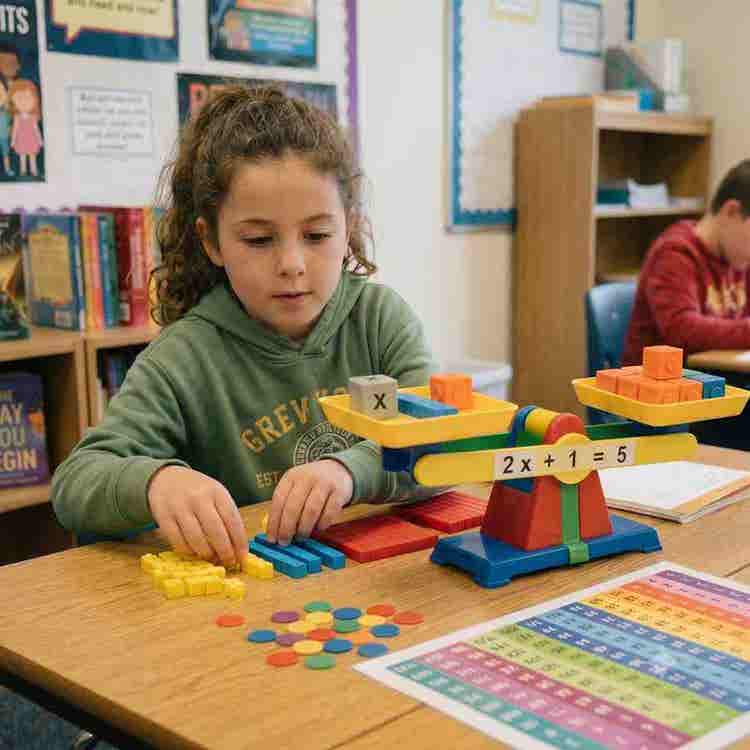
Academic Anxiety & Avoidance
School-related stress, test phobias, or behavioral outbursts resulting directly from hidden, untreated academic struggles.
Signs Your Child May Need Learning Disability Support
Our core program pillars include:
Multisensory Learning Strategies: We don't just rely on text. We teach through visual, auditory, and kinesthetic (touch-based) pathways simultaneously, helping the brain forge new neural connections for reading and math.
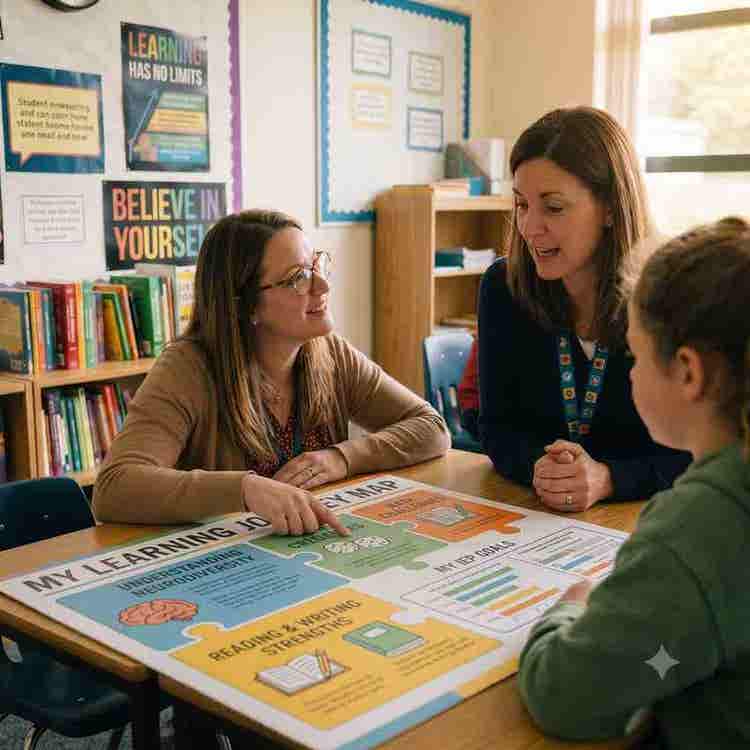
Individualized Educational Plans (IEPs): Every child undergoes a holistic baseline mapping. We create clear, customized goals tailored to their specific type of processing difference, ensuring they are never rushed or under-challenged.
School-Therapy Collaboration: Our specialists align directly with your child's school teachers, helping advocate for crucial classroom accommodations such as extra exam time, oral testing options, or customized worksheets.
Confidence and Mindset Coaching: Because learning differences often hurt a child's self-esteem, our sessions actively incorporate emotional support, celebrating micro-successes to rebuild their academic confidence.
Recognized By Major Gulf & Indian News Platforms







What Parents Say

Parvana
I’m grateful to the entire Jewel Autism Development Centre team for their dedication. When we joined, my daughter had poor eye contact, no response to her name, and attention difficulties. After a year of therapy, she has made remarkable progress. Special thanks to all the therapists and staff for their support.

Lionel
Jewel Autism and Development Center has been a great support for our child. In just five months, we’ve seen remarkable progress in communication, participation, and learning. We sincerely thank the management, therapists, and staff and highly recommend Jewel to other families.

Shiva Nadhu
We have been attending this therapy centre for the past six months and are very satisfied. The OT, SE, and Speech sections are excellent, with clear monthly goals and progress reviews. The therapists are professional, caring, and give personal attention, while the social work team is very supportive. We are seeing steady improvement and appreciate the team’s dedicated efforts.

Jake Nikhil
Jewel in Kottayam is a world-class facility with over two decades of experience in childhood development. Skilled therapists, efficient staff, and excellent management make it highly recommended for children needing developmental support. Families from across the world trust their international-standard care!

Anu Peter
"I've been taking my child to Jewel Child Development Center in Kakkanad for therapy, and the experience has been truly heartening. Finding the right support for your child can be overwhelming, but the team here makes the journey so much easier. The therapists are not only highly skilled but also genuinely bond with the kids, making the sessions feel more like guided play than clinical work. I've seen a visible shift in my child's confidence and skills since we started. They are also very transparent with progress reports, which helps us stay on track as parents. For anyone in the Kochi area looking for a supportive and professional environment for their child's growth, Jewel is definitely a place you can trust."

Adithya Baiju
Working at Jewel Autism Centre has been a truly rewarding experience. The centre provides a supportive and professional environment where both staff and children are valued with care and respect. The management is approachable, teamwork is encouraged, and there are great opportunities to learn and grow professionally.

Rena Rafic
Working at Jewel Autism Centre and Child Developmental Centre has been a meaningful experience. The center maintains a positive and supportive work environment where the focus is always on the growth and well-being of each child. The team is dedicated, compassionate, and professional, and there is good cooperation among staff members. It is a great place to learn, grow, and contribute to making a difference in children's lives.

Sussamma Mathew
Best child development center with excellent professionals.
FAQ
Related reading
Articles from our clinical team on this topic:
- Dyslexia
- Understanding the Difference: Learning Disabilities vs. Academic Laziness
- Why Correcting Paragraphs Is More Effective Than Copying for Children With Dyslexic and Dysgraphic Features
- Learning disability
- Dysphagia for people with autism and learning disabilities
- Classification of Poor Handwriting (Dysgraphia) Among Children with Learning Disabilities