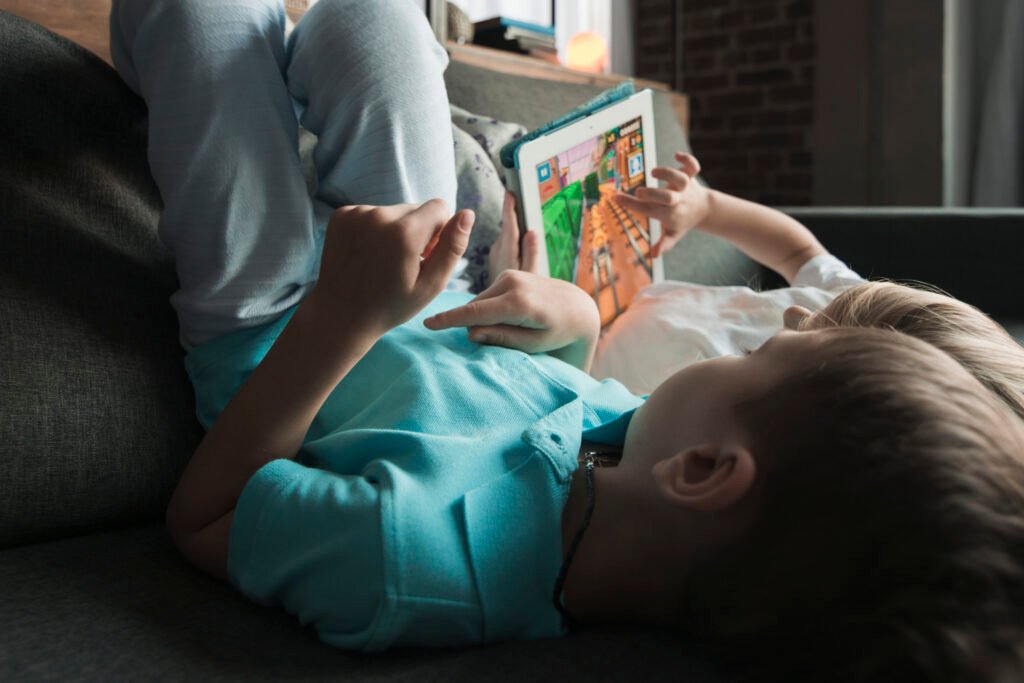
In today’s digital world, screens are everywhere—phones, tablets, televisions, laptops, and even smart toys. While technology can be educational and entertaining, too much screen-time can affect a child’s development in ways many parents don’t expect.
One of the most concerning impacts is how excessive screen use affects motor skills and sensory development, two essential building blocks for learning, communication, behaviour, and independence.
This blog explains how screen-time influences these areas, what early signs parents should look for, and how to create healthier habits at home.
Understanding Motor & Sensory Development
Before exploring how screens affect children, it’s important to understand two key developmental areas:
1. Motor Development
This includes:
- Gross motor skills (running, jumping, balance)
- Fine motor skills (writing, buttoning, holding a pencil)
- Hand-eye coordination
- Core strength and posture
These skills come from movement, exploration, and physical play, not from screens.
2. Sensory Development
Children learn through their senses:
- Touch
- Movement
- Vision
- Hearing
- Smell
- Taste
- Body awareness
- Balance
Healthy sensory development requires real-world experiences—climbing, touching textures, tasting new foods, playing outside, and interacting with people.
How Excessive Screen-Time Affects Motor Development
1. Weak Core Strength & Poor Posture
When children spend long hours sitting with screens, they develop:
- Rounded shoulders
- Weak neck muscles
- Poor back strength
- Slouched sitting
This affects handwriting, balance, and even attention span.
OT Perspective:
Without enough physical play, children don’t build the strength needed for sitting upright at school or performing daily activities like writing or dressing.
2. Delayed Fine Motor Skills
Fine motor skills grow through:
- Playing with blocks
- Coloring
- Cutting with scissors
- Manipulating toys
Screen use often replaces these hands-on activities.
This leads to:
- Poor pencil grip
- Difficulty writing
- Trouble with buttons/zippers
- Slow hand coordination
3. Reduced Hand-Eye Coordination
Fast-moving screen content overstimulates visual tracking but doesn’t allow real-world practice.
Children may struggle with:
- Catching a ball
- Sports performance
- Copying from the board
- Reading fluency (eye movement difficulty)
4. Less Physical Activity = Higher Risk of Obesity
When screen-time replaces outdoor play, children have fewer opportunities to:
- Run
- Jump
- Climb
- Play games
This lack of movement contributes to weight gain and low muscle tone.
How Screen-Time Affects Sensory Development
1. Sensory Overload
Bright colours, loud sounds, fast scene changes, and constant movement overstimulate the brain.
Children may develop:
- Irritability
- Tantrums
- Difficulty sleeping
- Difficulty shifting attention
2. Poor Sensory Processing Skills
Children who spend too much time with screens may show:
- Sensitivity to sounds
- Difficulty tolerating textures
- Poor body awareness
- Avoidance of physical activities
This happens because screens provide passive, repetitive sensory input rather than rich, real-world experiences.
3. Delayed Speech & Language Development
While this belongs to communication, it is strongly linked to sensory development.
Children learn language by:
- Listening
- Watching faces
- Responding to voices
- Engaging in conversations
Screens do not provide meaningful interaction.
Results:
- Late talking
- Limited vocabulary
- Poor social communication
- Less eye contact
4. Attention Problems
Fast-paced screen content conditions the brain to expect constant stimulation.
Children may struggle with:
- Sustaining attention in class
- Following instructions
- Waiting patiently
- Doing non-screen tasks
This often leads to ADHD-like symptoms.
Early Warning Signs Parents Should Look For
Your child may be affected by too much screen-time if you notice:
Motor Red Flags
- Weak grip
- Poor handwriting
- Difficulty climbing stairs
- Easily tired during physical activity
- Poor balance
- Avoiding outdoor play
Sensory Red Flags
- Overreaction to noise or textures
- Sensory seeking behaviours (spinning, crashing, jumping excessively)
- Tantrums during transitions
- Difficulty focusing
- Sleep problems
How Much Screen-Time Is Safe?
According to global pediatric guidelines:
- Under 2 years: No screen-time
- 2–5 years: Maximum 1 hour/day (high-quality content)
- 6–12 years: Maximum 2 hours/day
- 13+ years: Balanced and supervised use
Practical Tips for Parents to Reduce Screen-Time
1. Create “Screen-Free Zones”
- Dining table
- Bedroom
- Study area
This helps reduce unnecessary screen use.
2. Encourage Real Play
Replace screen-time with:
- Outdoor games
- Clay play
- Coloring
- Puzzles
- Blocks
- Sensory bins
3. Model Healthy Behaviour
Children copy what parents do.
If parents reduce screen use, children follow naturally.
4. Set Clear Screen-Time Rules
Examples:
- Screens only after homework
- No screens during meals
- Screen-time only after outdoor play
5. Involve Children in Daily Activities
Let them:
- Help in cooking
- Arrange toys
- Set the table
- Water plants
These activities build motor and sensory skills.
6. Choose Quality Content
If screens must be used:
- Prefer educational apps
- Co-watch with your child
- Avoid fast-paced cartoons
When to Seek Help from an Occupational Therapist
Consult an OT if your child shows:
- Delayed motor milestones
- Difficulty with writing or coordination
- Sensory issues (overactive or underactive)
- Difficulty managing routines
- Attention problems
- Behaviour issues linked to screen use
Early OT intervention can significantly improve sensory processing, motor strength, and daily functioning.
Final Thoughts
Screens are not the enemy—but excessive, unsupervised screen-time is a major risk for a child’s motor, sensory, and cognitive development. By creating healthy habits early, parents can ensure a balanced childhood with stronger skills, better behavior, and improved learning.
If you want, I can also provide: