
Does Long-Term Therapy Really Help, or Do They Need a Break?
Autism is not a behavioral problem — it is a neurological difference in processing information, especially sensory information. Children with Autism Spectrum Disorder (ASD) experience the world differently. What feels normal to others can feel too loud, too bright, too fast, or too demanding for them.
One of the most common challenges parents report is overstimulation — especially when a child is attending therapy regularly for years.
So the big question is:
👉 Should therapy continue consistently?
👉 Or should we give children a break when they seem overwhelmed?
Let’s understand this clearly.
What is Overstimulation in Autism?

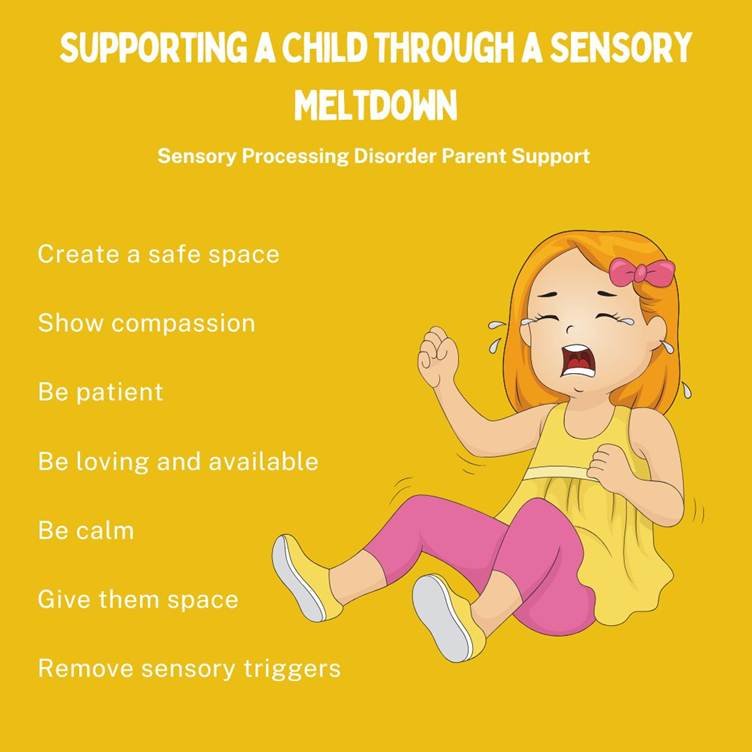
Overstimulation happens when the brain receives more sensory input than it can organize or regulate.
Children with ASD may struggle to filter:
- Loud sounds
- Bright lights
- Touch sensations
- Crowded environments
- Too many instructions at once
- Emotional demands
- Transitions and unexpected changes
When the nervous system gets overloaded, the child may:
- Cover ears
- Cry or scream
- Hit or throw objects
- Run away
- Shut down (become silent or withdrawn)
- Refuse tasks
- Show aggression
- Become hyperactive
Important:
❗ This is not misbehavior.
❗ It is a nervous system response.
How Therapy Can Contribute to Overstimulation
Therapy is meant to help — but if not balanced properly, it can become another source of overload.
Many children attend:
- Occupational Therapy
- Speech Therapy
- Behavioral Therapy
- Special Education sessions
Sometimes:
- Multiple sessions per day
- Strict goal-oriented training
- Repetitive task demands
- Limited free play
- High parental expectations
If a child is pushed continuously without adequate regulation time, the nervous system may become chronically stressed.
Signs therapy overload may be happening:
- Child resists going to therapy
- Increased meltdowns after sessions
- Sleep disturbances
- Appetite changes
- Increased irritability
- Regression in skills
- Emotional shutdown
Does Long-Term Therapy Really Help?
Yes — but only when done the right way.
Evidence-based approaches like:
- Sensory Integration
- Applied Behavior Analysis
- DIR/Floortime
have shown improvement in:
- Sensory regulation
- Communication
- Social interaction
- Motor planning
- Functional independence
However —
✔ Therapy should be child-centered
✔ Goals should be functional and achievable
✔ Sessions must include regulation breaks
✔ Emotional well-being should be prioritized over performance
Therapy is not a race.
Autism is lifelong — intervention should be sustainable, not exhausting.
Should You Give a Break?
Sometimes, yes.
A “break” does not mean stopping progress. It means:
- Reducing frequency temporarily
- Shifting focus to play-based regulation
- Allowing nervous system recovery
- Working only on maintenance skills
- Focusing on bonding and emotional safety
Think of it like muscle recovery after heavy exercise.
Continuous pushing without rest leads to burnout — even in adults. Why not children?
When to Consider a Break
You may consider reducing therapy intensity if:
- Child shows chronic fatigue
- Meltdowns increase significantly
- Child avoids therapists
- Anxiety levels increase
- There is no joy in participation
- Family stress is high
A regulated child learns better than a pressured child.
What Parents Should Do When a Child Gets Overstimulated
1. Recognize Early Signs
Before meltdown happens, watch for:
- Fidgeting
- Ear covering
- Avoiding eye contact
- Increased movement
- Repeating words
- Irritability
Early response prevents escalation.
2. Reduce Input Immediately
- Lower lights
- Reduce noise
- Stop giving instructions
- Move to a quiet corner
- Provide deep pressure (if child likes it)
- Allow alone time
Do NOT:
- Force eye contact
- Demand compliance
- Scold
- Continue teaching
3. Use Regulation Strategies
Helpful tools may include:
- Weighted blanket
- Swinging
- Slow breathing
- Hug pressure
- Soft music
- Oral input (chewy food, straw drinking)
- Slow rhythmic movement
4. Modify Therapy Schedule
Instead of:
- 5 days intensive therapy
Try:
- 3 focused days
- Shorter sessions
- One session per day only
- Add free play within sessions
Quality matters more than quantity.
5. Focus on Emotional Safety
A child learns best when they feel safe.
If therapy becomes:
- Fear-based
- Compliance-heavy
- Over-structured
Progress may appear fast — but regulation suffers.
Long-term outcome depends on emotional regulation, not just skill acquisition.
Balanced Model: Sustainable Therapy
Best outcomes happen when therapy includes:
✔ Sensory regulation
✔ Play-based learning
✔ Structured goals
✔ Gradual exposure
✔ Family training
✔ Break periods when needed
✔ School balance
✔ Respecting child’s limits
Autism intervention should feel like guidance — not pressure.
Final Thought for Parents
Ask yourself:
- Is my child happy?
- Is my child regulated?
- Is my child sleeping well?
- Is therapy supporting my child or stressing my child?
Therapy is a tool.
It should support the nervous system — not overwhelm it.
Giving a short break does not mean giving up.
Sometimes, pausing is part of progress.