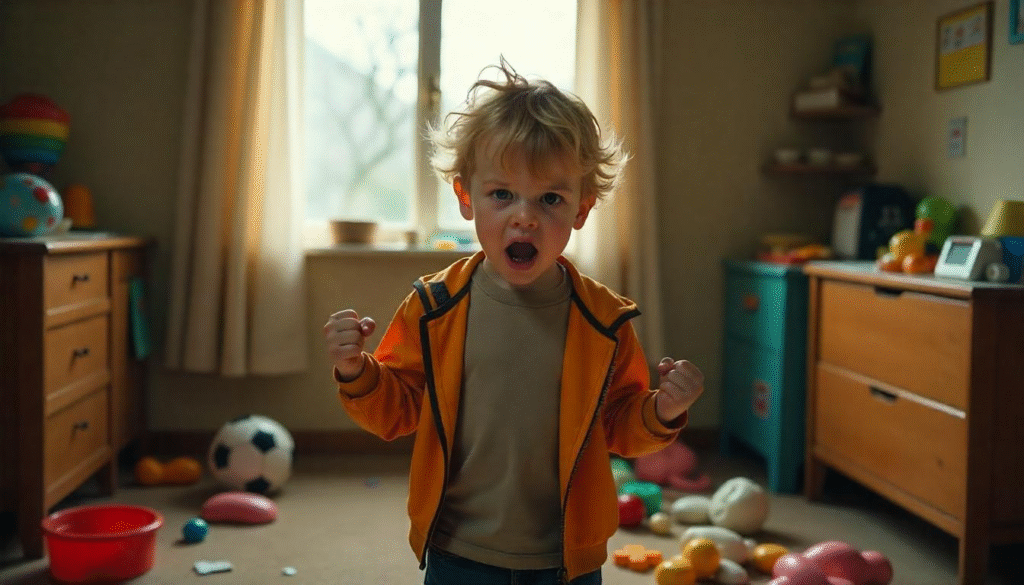
Aggressive behavior in children—whether it’s hitting, biting, yelling, or throwing things—can be overwhelming for parents to deal with. It often raises questions like:
- “Is this normal behavior?”
- “What is triggering this aggression?”
- “Do I need professional help?”
While some level of anger and frustration is part of normal child development, persistent or intense aggression may indicate deeper emotional, behavioral, or developmental issues. In this blog, we’ll explore why children show aggression, when it becomes a concern, and how early intervention and behavioral therapy can help.
Is Aggression a Normal Part of Child Development?
Yes—to an extent. Children between the ages of 2 and 5 are still learning to regulate their emotions. They may express anger or frustration in physical ways simply because they don’t yet have the language or self-control to respond appropriately.
However, if aggressive behavior:
- Continues beyond early childhood,
- Interferes with relationships,
- Disrupts school or home life,
- Or causes harm to others,
…it may be time to look deeper.
Common Causes of Aggression in Children
1. Unmet Emotional Needs
Children often act out when they’re feeling unheard, insecure, or overwhelmed. A child who doesn’t know how to express fear, sadness, or anxiety may instead lash out in anger.
2. Developmental Disorders
Children with conditions such as Autism Spectrum Disorder (ASD), ADHD, or Sensory Processing Disorder may struggle to regulate emotions. Their aggressive responses are often reactions to overstimulation, communication challenges, or frustration.
🧠 Learn more about our Behavioral Therapy for Autism and Developmental Disorders at Jewel Autism and Child Development Center.
3. Environmental Triggers
Stress at home—such as parental conflict, lack of structure, or sudden changes—can cause behavioral outbursts. Children absorb their surroundings, and chaos or instability can lead to aggressive expressions.
4. Imitation and Learned Behavior
Children often mimic what they see. Exposure to aggressive behavior in caregivers, peers, or even media can lead them to believe it’s an acceptable form of expression.
5. Difficulty with Communication
Young children or those with speech and language delays may become frustrated when they cannot express their needs or feelings. This can result in hitting, biting, or screaming.
🗣️ If you suspect your child struggles with communication, consider our expert Speech and Language Therapy Services available at Jewel Autism and Child Development Center.
When Should Parents Be Concerned?
Occasional aggression is normal. However, it’s important to seek professional support when:
- Aggression is frequent and intense
- It affects school performance or social interactions
- Your child seems out of control or unaware of the consequences
- You feel unsafe or overwhelmed
Early intervention plays a crucial role in addressing behavioral concerns before they escalate into long-term challenges.
How Behavioral Therapy Can Help
At Jewel Autism and Child Development Center, we offer individualized behavioral therapy programs designed to understand and manage aggressive behavior in children.
Our approach includes:
- Functional Behavior Assessments (FBA): To identify triggers behind the aggression
- Positive Reinforcement Strategies: To encourage desired behaviors
- Parent Training Programs: To empower families with practical tools
- Social Skills Training: To help children learn appropriate interaction
- Multidisciplinary Support: Including occupational, speech, and psychological services
Our experienced team works closely with families to develop behavior management plans that are child-friendly, compassionate, and evidence-based.
Tips for Parents Managing Aggression at Home
Here are some strategies you can use to support your child:
🟢 Stay Calm – Reacting with anger may escalate the behavior. Stay composed and model calmness.
🟢 Set Clear Boundaries – Be consistent with rules and consequences.
🟢 Offer Choices – Giving children limited choices can reduce power struggles.
🟢 Acknowledge Feelings – Help them label emotions: “I see you’re angry. Let’s talk about it.”
🟢 Reinforce Positive Behavior – Catch them being good! Praise efforts to stay calm or use words instead of actions.
Let’s Tackle It Together
No parent wants to see their child struggle with aggression. The good news is that with the right support, children can learn to manage their emotions, express themselves safely, and thrive socially and academically.
If you’re worried about your child’s behavior, don’t wait. Early evaluation and behavioral support can make a world of difference.
📞 Contact us today at Jewel Autism and Child Development Center to schedule an assessment or learn more about our behavioral therapy programs.
📌 Final Thoughts
Aggression is not just “bad behavior”—it’s a sign that your child may need help processing emotions, communicating, or coping with challenges. By understanding the root causes and providing a nurturing, structured environment, we can support children in developing healthier ways to express themselves.
Let’s replace fear with understanding—and behavior with connection.