
SENSORY INTEGRATION
Empowering Children with Autism Through Sensory Integration Therapy
At Jewel Autism Centre, we provide evidence-based sensory integration therapy for autism and related conditions, including Autism Spectrum Disorder (ASD), Sensory Processing Disorder (SPD), ADHD, developmental delay, and motor coordination challenges. Our structured therapy programs in Kochi, Kottayam, and Dubai help children improve body awareness, sensory regulation, attention, emotional control, and participation in daily life. We follow internationally accepted occupational therapy principles and individualized intervention models designed to enhance sensory modulation, motor planning, and functional independence through paediatric sensory integration approaches.
Our programs focus on sensory processing disorder treatment, addressing challenges related to touch, movement, balance, and body awareness commonly seen in children on the autism spectrum.
During sensory therapy for children, trained occupational therapists use a structured, play-based approach with activities such as swinging, textured play, and jumping to support balance, tactile tolerance, and coordination. As a best sensory integration centre, our child occupational therapy for sensory issues strengthens sensory–motor connections, promoting confidence, independence, and meaningful participation at home, school, and social environments.

Related reading
Articles from our clinical team on this topic:
- ADHD and Sensory Processing Overlap
- Understanding Sensory Challenges in Children
- Beyond the Meltdown: Navigating After-School Sensory Overload in Autism
- Sensory Processing Disorder in Children
- SIMPLE SENSORY STRATEGIES THAT FIT INTO BUSY FAMILY ROUTINES
- WHEN A CHILD IS NOT MISBEHAVING BUT SENSORY OVERLOADED
What is Sensory Integration Therapy?
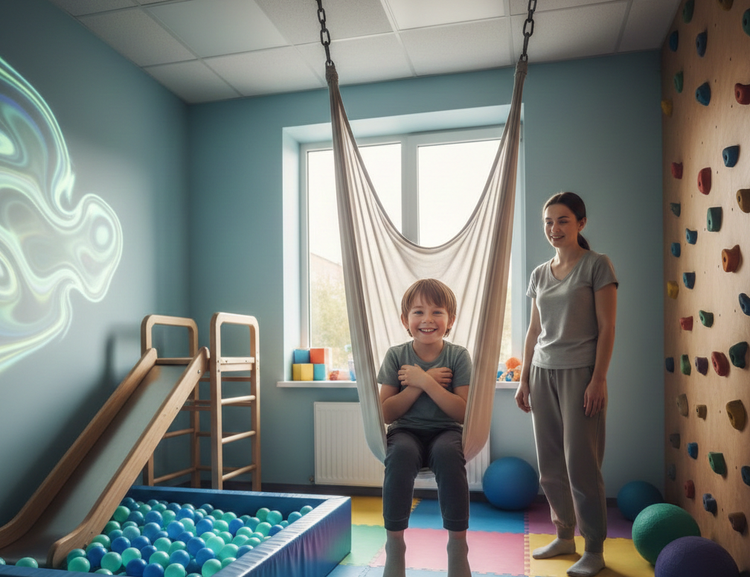
Sensory Integration Therapy is a specialized pediatric occupational therapy approach that helps children process and respond appropriately to sensory information from their environment. It is particularly beneficial for children with autism, sensory processing challenges, and developmental delays who may struggle to interpret and regulate sensory input during daily activities.
Children with autism or sensory processing difficulties may experience:
- Hypersensitivity (over-responsiveness to sound, touch, movement)
- Hyposensitivity (under-responsiveness to sensory input)
- Difficulty with balance and coordination
- Emotional dysregulation
- Poor attention and body awareness
Through structured sensory activities, therapy supports the brain in organizing and integrating sensory input effectively.
How Sensory Integration Helps Children with Autism
Sensory Integration Therapy plays an essential role in supporting children with autism by helping them process, organize, and respond appropriately to sensory input from their environment. Through structured sensory integration and paediatric sensory integration approaches, therapy addresses challenges related to sensory modulation, motor planning, balance, and emotional regulation. By improving the way the brain interprets sensory information, sensory integration therapy for autism helps children engage more effectively in daily activities, learning tasks, and social interactions. At Jewel Autism Centre, our autism sensory therapy programs are designed to support meaningful functional outcomes and promote independence.Sensory Integration Therapy at Jewel Autism Centre focuses on:
- Improving sensory modulation
- Reducing sensory overload
- Enhancing attention and focus
- Improving motor planning (praxis)
- Supporting emotional regulation
- Enhancing balance and coordination
- Improving fine and gross motor skills
- Supporting daily functional independence
Signs Your Child May Need Sensory Integration Therapy
Children process sensory information in different ways, but ongoing difficulties with sensory regulation can affect their behavior, learning, and daily functioning. Sensory challenges may show up at home, in school, or during play and can sometimes be mistaken for behavioral issues rather than sensory processing difficulties. Recognizing these signs early allows for timely sensory integration therapy, which can help children better manage sensory input, improve self-regulation, and participate more comfortably in everyday activities.Your child may benefit from sensory integration therapy if they:
- Avoid certain textures, sounds, or lights
- Seek excessive movement or spinning
- Have frequent meltdowns due to sensory triggers
- Show poor balance or clumsiness
- Have difficulty sitting still
- Struggle with handwriting or coordination
- Walk on toes frequently
- Cover ears in normal sound environments
Conditions We Treat
Autism Spectrum Disorder
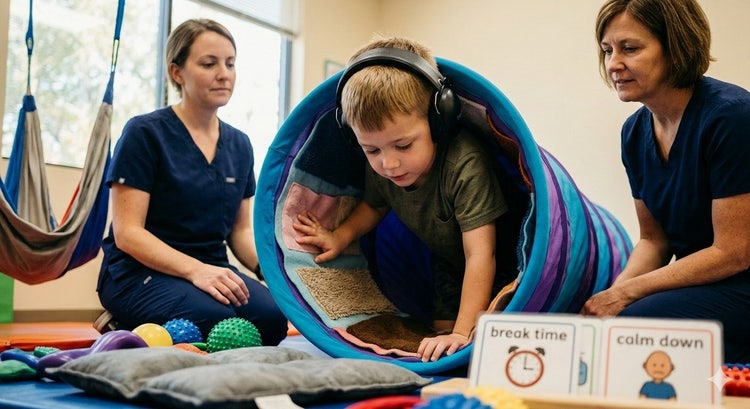
Support children with ASD by improving communication, social interaction, motor coordination, and sensory regulation to enhance functional independence.
Sensory Processing Disorder
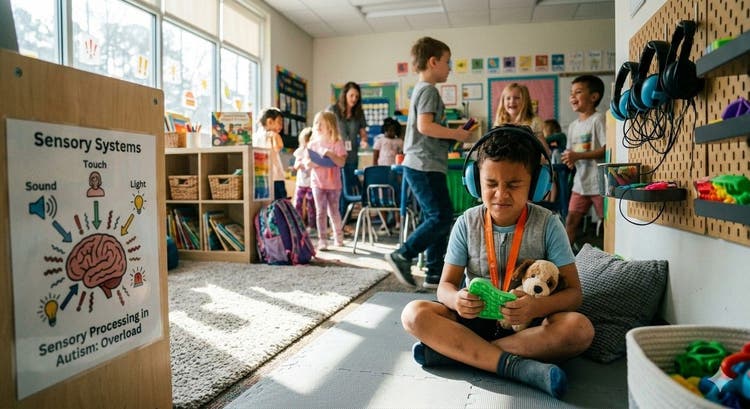
Help children with sensory processing challenges develop better regulation, body awareness, and adaptive responses to everyday sensory input.
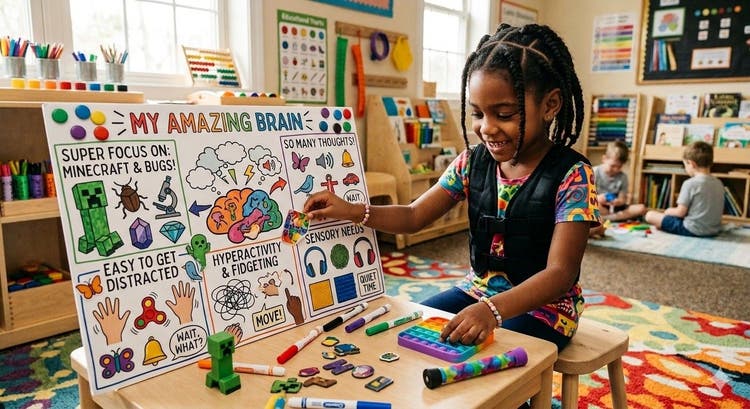
ADHD
Assist children with ADHD in improving focus, self-regulation, coordination, and executive functioning skills for better daily performance.
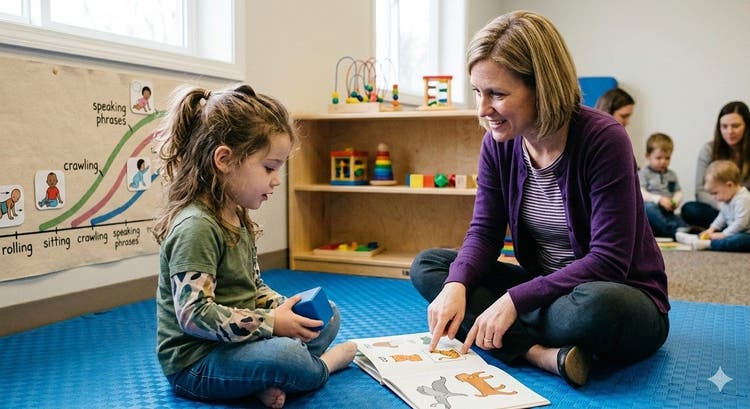
Developmental Delay
Provide targeted interventions to help children achieve age-appropriate milestones across motor, cognitive, and social domains.

Hypotonia
Strengthen muscle tone, stability, and endurance to support improved posture, movement, and functional abilities.
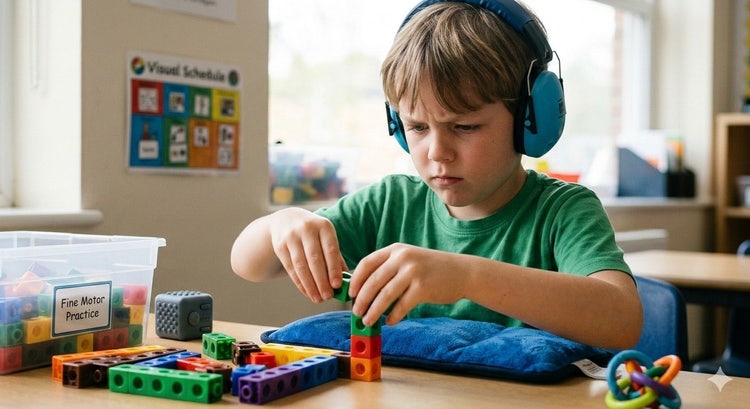
Dyspraxia
Enhance motor planning, coordination, and task execution skills to improve participation in daily activities.

Cerebral Palsy
Deliver structured physiotherapy interventions to improve mobility, posture, strength, and overall functional independence.

Learning Difficulties
Support children with learning challenges by developing foundational motor, attention, and processing skills that contribute to academic success.
Our Evidence-Based Approach
At Jewel Autism Centre, we follow an evidence-based sensory integration approach that focuses on measurable outcomes and meaningful functional improvement. Our therapy programs are designed using standardized assessment methods and individualized intervention strategies to address each child’s unique sensory and developmental needs. Through continuous evaluation and collaboration with families and professionals, we ensure consistent, goal-oriented progress.
At Jewel Autism Centre, our approach includes:
- Individualized sensory assessment
- Use of standardized evaluation tools
- Structured sensory diet programs
- Multidisciplinary coordination (ABA, Occupational Therapy, Speech Therapy, Physiotherapy)
- Parent training and home-based strategies
- Regular progress tracking and outcome monitoring
Our therapy sessions utilize specialized clinical sensory equipment, including swings, balance systems, proprioceptive activities, tactile integration exercises, and motor planning tasks, to support sensory processing, motor development, and overall brain development.
Why Parents Choose Jewel Autism Centre for Sensory Integration Therapy
Parents seeking effective sensory integration therapy for autism often choose Jewel Autism Centre for its comprehensive and child-focused approach. Our paediatric sensory integration programs are designed to address challenges related to sensory processing disorder treatment and provide targeted autism sensory therapy tailored to each child’s needs. As one of the best sensory integration centres, we create a nurturing environment where children benefit from structured, goal-oriented interventions alongside expert guidance in sensory therapy for children. Our team also offers child occupational therapy for sensory issues, ensuring families have the tools and support needed to reinforce progress at home.
- Multidisciplinary autism therapy model
- Structured goal-oriented programs
- International clinical standards
- Child-centered environment
- Locations in Kochi, Kottayam, and Dubai
- Parent-guided home support programs
Our Sensory Integration Therapy Centres
Jewel Autism Centre provides specialized sensory integration therapy for autism across multiple locations, ensuring children receive consistent, high-quality care close to home. Our centers deliver expert paediatric sensory integration programs and autism sensory therapy, designed to support children with sensory processing disorder treatment and other sensory challenges. With a focus on individualized care and a nurturing environment, we are recognized as one of the best sensory integration centres, offering comprehensive child occupational therapy for sensory issues and practical guidance for parents to continue therapy at home.Sensory Integration Therapy Locations:
- Sensory Integration Therapy in Kochi
- Sensory Integration Therapy in Kottayam
- Sensory Integration Therapy in Dubai
- Autism Sensory Therapy Centre Kerala
- Pediatric Sensory Therapy UAE
Recognized By Major Gulf & Indian News Platforms







What Parents Say

Adithya Baiju
Working at Jewel Autism Centre has been a truly rewarding experience. The centre provides a supportive and professional environment where both staff and children are valued with care and respect. The management is approachable, teamwork is encouraged, and there are great opportunities to learn and grow professionally.

Rena Rafic
Working at Jewel Autism Centre and Child Developmental Centre has been a meaningful experience. The center maintains a positive and supportive work environment where the focus is always on the growth and well-being of each child. The team is dedicated, compassionate, and professional, and there is good cooperation among staff members. It is a great place to learn, grow, and contribute to making a difference in children's lives.

Sussamma Mathew
Best child development center with excellent professionals.

Absheen Mathew
Such a Supportive Team.

Shiba Shiny Babu
Jewel Autism Centre, Kottayam, is undoubtedly one of the best autism treatment and support centres in India. The dedication and professionalism of the entire team are truly commendable. The staff provide excellent support and maintain clear, consistent communication with families, ensuring that parents are always informed and involved in their child's progress.
The therapists are highly trained, extremely patient, and genuinely caring in their approach. Their expertise and commitment create a positive and supportive environment for children to learn and grow.

Vihaan Kumar
I miss you. Vihaan is doing good in school. Good sitting ,Good eye contact with class teacher ,Good listening, Good group participation writing Thank you forever.
Shiba Shiny Babu
Jewel autism centre is a highly professional center for autistic kids. The staffs of jewel are very friendly and responsible. They have change the life of many kids including my cousins child. I appreciate each and every staff for their kind cooperation and dedication.

Nisthul Bensi
Jewel Autism Centre is a well developed centre in Kottayam for all the developmental issues in children. They provide Speech Therapy, Occupational Therapy, Special Education and Behavioral Therapy with qualified professionals. I highly recommend this centre.