
Autism Therapy India
Helping Every Child Reach Their Full Potential
Autism Spectrum Disorder (ASD) affects how children communicate, interact, learn, and respond to their surroundings. Every child experiences autism differently, which is why individualized therapy is essential for meaningful progress.
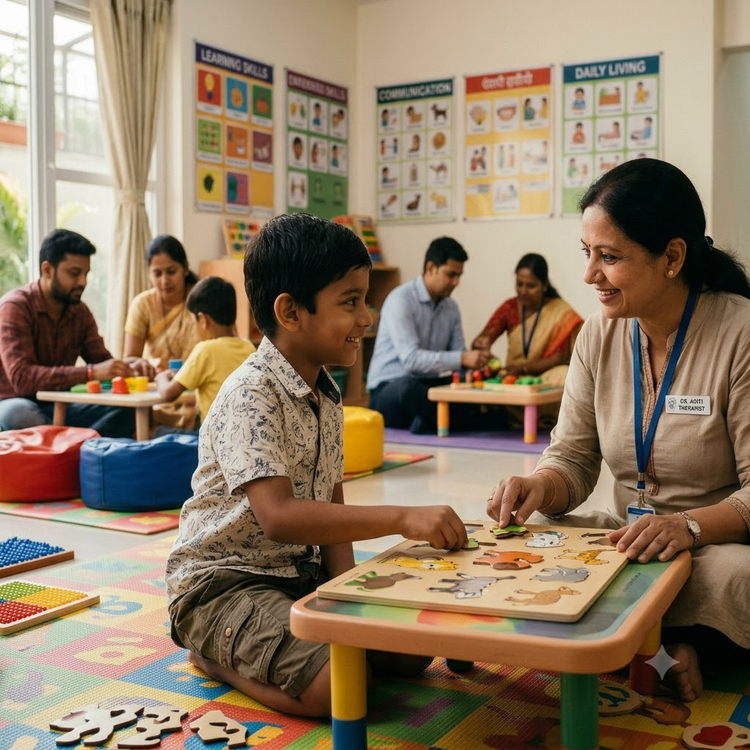
At Jewel Autism & Child Development Centre, we provide evidence-based, multidisciplinary therapy designed to help children develop communication, social interaction, sensory processing, learning, and daily living skills.
Our Approach
✔ Personalized therapy plans tailored to each child's strengths
✔ Experienced multidisciplinary team of specialists
✔ Family-centred guidance and parent involvement
✔ Evidence-based assessments and interventions
✔ Regular progress monitoring and goal-based therapy
Supporting Every Stage of Development
Our team works closely with families to build confidence, independence, and lifelong skills. Through a collaborative approach, we create individualized treatment plans that support each child's developmental journey while empowering parents with the knowledge and strategies needed for continued growth at home.
What is Autism Therapy?
Signs That Your Child May Benefit from Autism Therapy
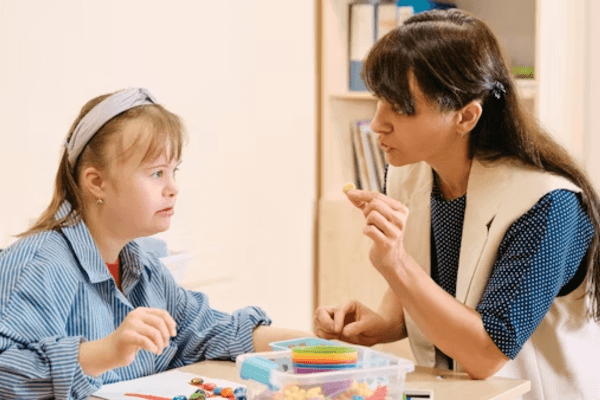
Delayed Speech or Language Development
Children may speak later than expected, have difficulty expressing needs, or struggle to understand language.
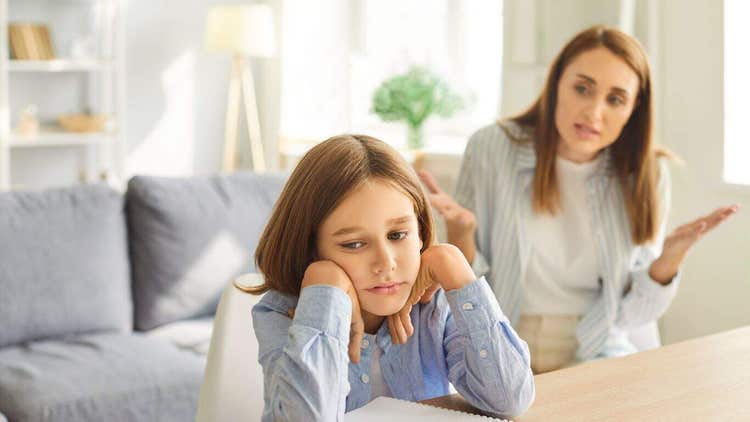
Limited Eye Contact
Some children avoid or have limited eye contact during conversations or social interactions.
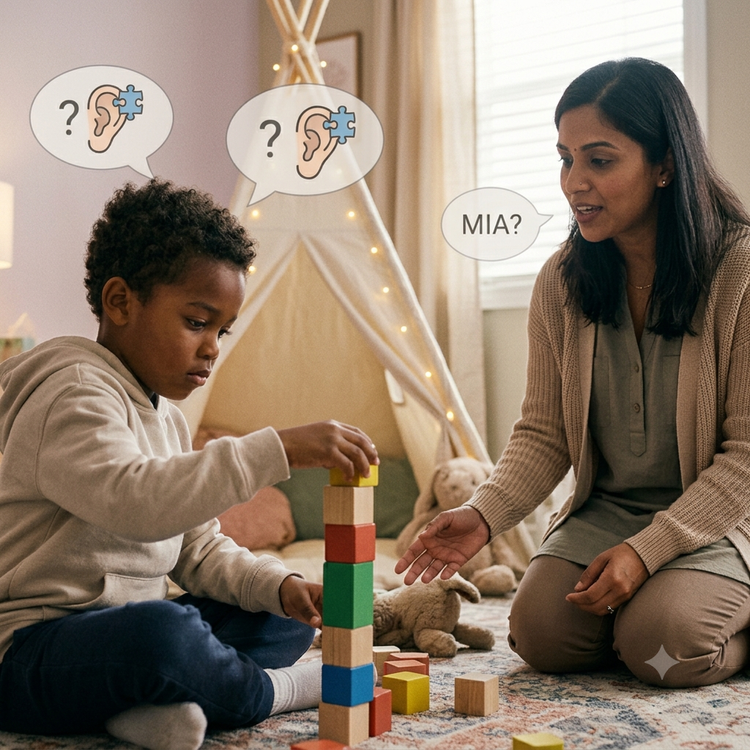
Difficulty Responding to Their Name
A child may not consistently respond when their name is called, even when hearing is normal.
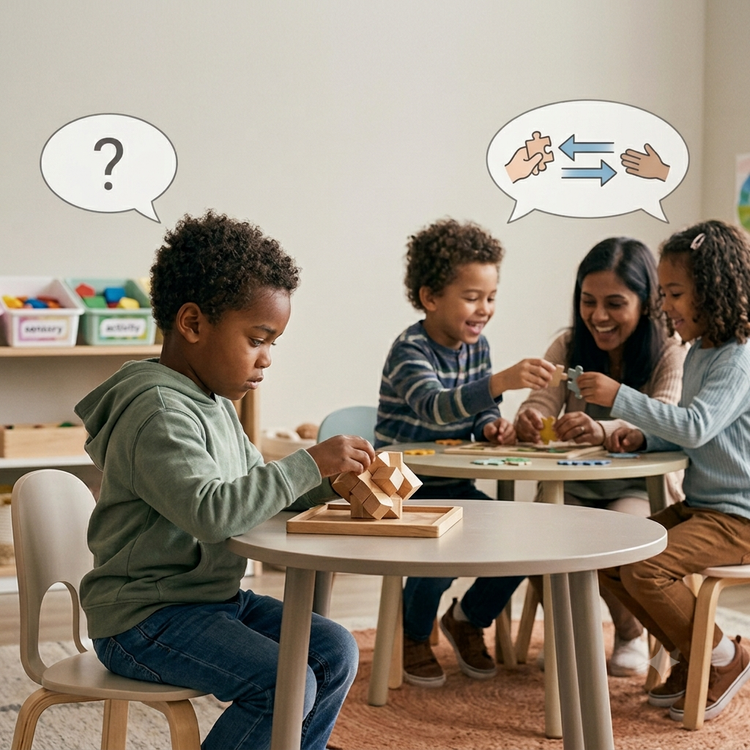
Challenges in Social Interaction
Children may find it difficult to initiate conversations, share interests, or interact with peers.
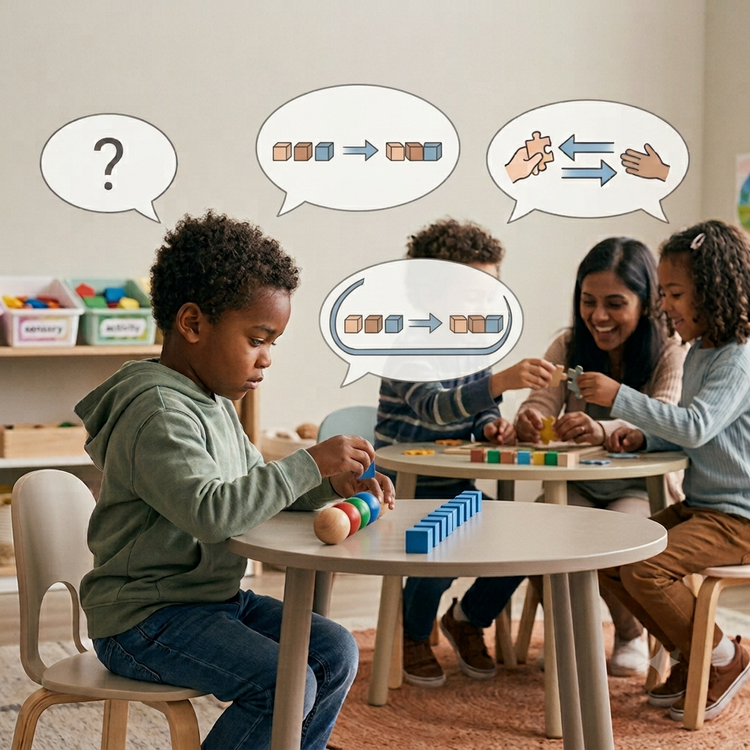
Repetitive Behaviours
Repeated hand movements, body rocking, or arranging toys in a specific order are common signs.
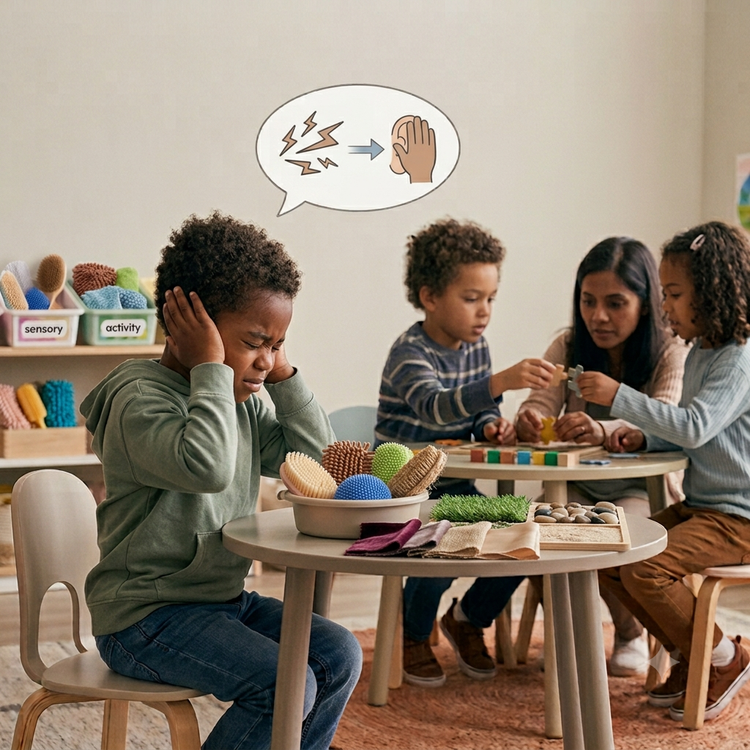
Sensory Sensitivities
Children may become overwhelmed by certain sounds, lights, textures, smells, or touch.
Our Autism Therapy Services
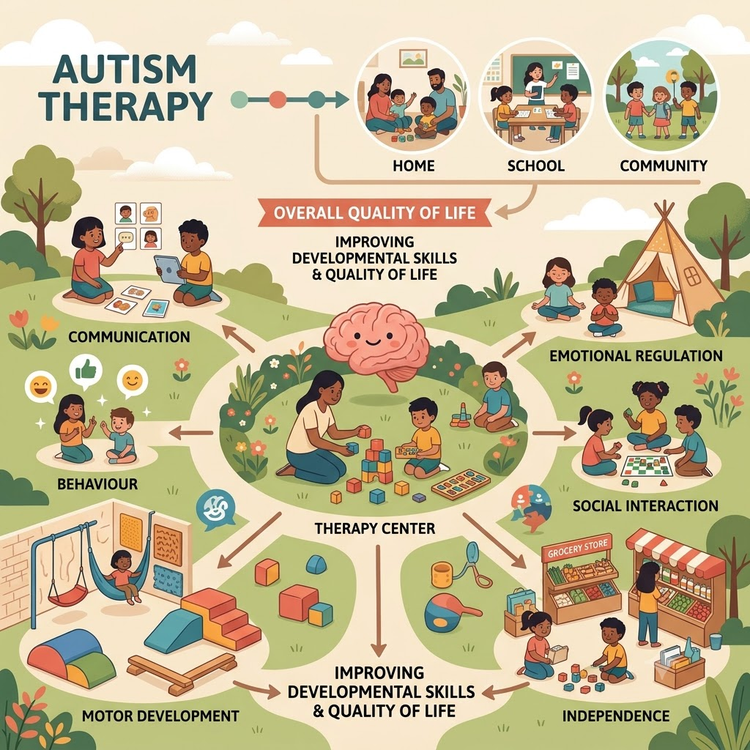
Our multidisciplinary autism therapy services are designed to meet each child's unique developmental needs. Through personalized, evidence-based interventions, our experienced therapists help children improve communication, behaviour, sensory processing, motor skills, learning, and social interaction, empowering them to become more confident and independent in everyday life.
Occupational Therapy
Occupational therapy helps children develop sensory processing, fine motor skills, self-care abilities, handwriting, emotional regulation, and independence in daily activities.
Speech and Language Therapy
Speech therapy enhances communication, language development, speech clarity, social interaction, and feeding skills, helping children express themselves with confidence.
Applied Behaviour Analysis (ABA)
ABA therapy uses positive reinforcement and structured learning techniques to improve communication, behaviour, attention, social skills, and daily living independence.
Physiotherapy
Physiotherapy improves strength, balance, posture, coordination, and gross motor skills, supporting children's physical development and mobility.
Play Therapy
Play therapy encourages communication, emotional expression, creativity, confidence, and social interaction through engaging, child-centred play activities.
Special Education
Special education provides individualized learning strategies that strengthen academic readiness, cognitive skills, attention, classroom participation, and independent learning.
Social Skills Training
Social skills training helps children develop meaningful relationships by improving communication, emotional understanding, problem-solving, turn-taking, sharing, and group participation.
Our Therapy Process
Recognized By Major Gulf & Indian News Platforms







What Parents Say

Anu Peter
"I've been taking my child to Jewel Child Development Center in Kakkanad for therapy, and the experience has been truly heartening. Finding the right support for your child can be overwhelming, but the team here makes the journey so much easier. The therapists are not only highly skilled but also genuinely bond with the kids, making the sessions feel more like guided play than clinical work. I've seen a visible shift in my child's confidence and skills since we started. They are also very transparent with progress reports, which helps us stay on track as parents. For anyone in the Kochi area looking for a supportive and professional environment for their child's growth, Jewel is definitely a place you can trust."

Adithya Baiju
Working at Jewel Autism Centre has been a truly rewarding experience. The centre provides a supportive and professional environment where both staff and children are valued with care and respect. The management is approachable, teamwork is encouraged, and there are great opportunities to learn and grow professionally.

Rena Rafic
Working at Jewel Autism Centre and Child Developmental Centre has been a meaningful experience. The center maintains a positive and supportive work environment where the focus is always on the growth and well-being of each child. The team is dedicated, compassionate, and professional, and there is good cooperation among staff members. It is a great place to learn, grow, and contribute to making a difference in children's lives.

Sussamma Mathew
Best child development center with excellent professionals.

Absheen Mathew
Such a Supportive Team.

Shiba Shiny Babu
Jewel Autism Centre, Kottayam, is undoubtedly one of the best autism treatment and support centres in India. The dedication and professionalism of the entire team are truly commendable. The staff provide excellent support and maintain clear, consistent communication with families, ensuring that parents are always informed and involved in their child's progress.
The therapists are highly trained, extremely patient, and genuinely caring in their approach. Their expertise and commitment create a positive and supportive environment for children to learn and grow.

Vihaan Kumar
I miss you. Vihaan is doing good in school. Good sitting ,Good eye contact with class teacher ,Good listening, Good group participation writing Thank you forever.
Shiba Shiny Babu
Jewel autism centre is a highly professional center for autistic kids. The staffs of jewel are very friendly and responsible. They have change the life of many kids including my cousins child. I appreciate each and every staff for their kind cooperation and dedication.