DROOLING THERAPY
What is Drooling Therapy?
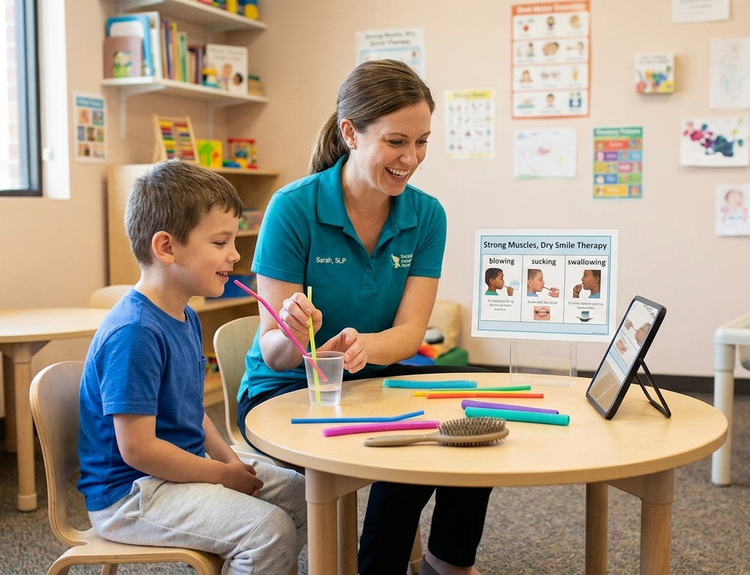
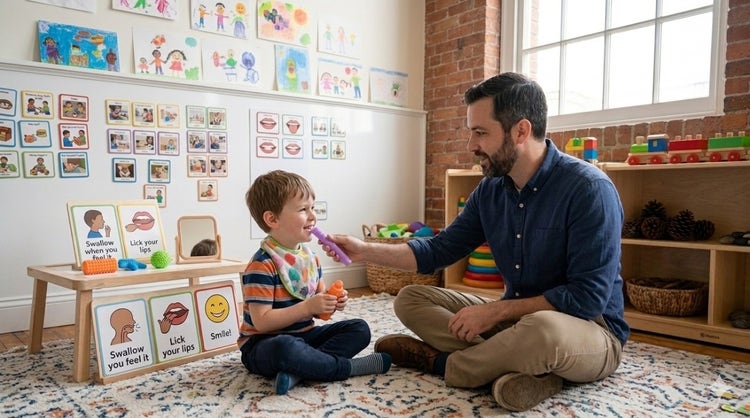
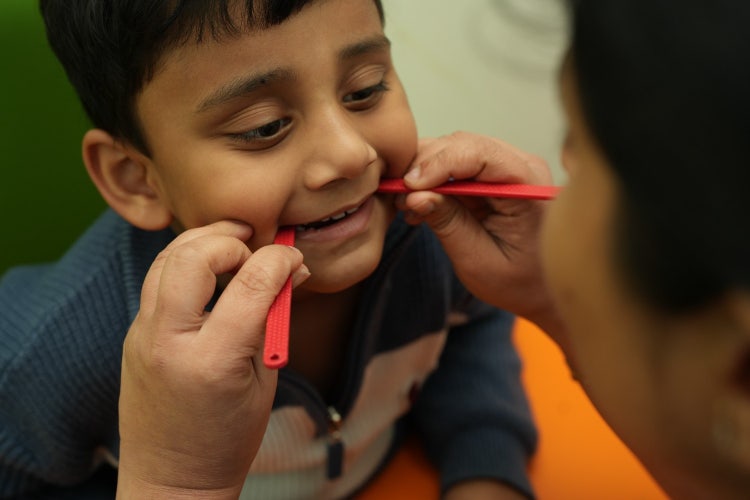
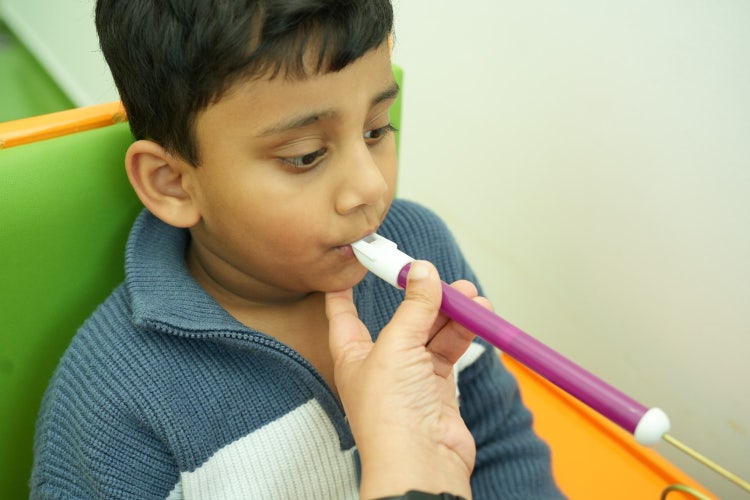
Drooling is an advanced, evidence-based motor speech therapy approach used globally to help children develop clear speech, functional communication, strong oral motor coordination, and accurate sound production. This approach focuses on strengthening and coordinating the muscles of the lips, tongue, jaw, and face that are essential for producing clear and understandable speech. By improving how these muscles move and work together, children can gradually develop better control over their speech sounds and communication abilities.
- Clear speech
- Functional communication
- Oral motor coordination
- Sound production accuracy
Unlike traditional speech therapy that focuses only on listening and imitation, drooling therapy works directly on the muscle movements required for speech. At Jewel Autism Centre, drooling is integrated into our multidisciplinary early intervention framework to ensure faster and more functional communication outcomes.
Who Needs Drooling Therapy?
Drooling Therapy is highly effective for children with speech motor planning and communication difficulties. It supports the development of coordinated oral movements needed for clear and functional speech.Many children who “understand but cannot speak” benefit significantly from Drooling-based intervention.Drooling therapy is highly effective for children with:
- Childhood Apraxia of Speech (CAS)
- Autism Spectrum Disorder
- Motor Speech Disorders
- Dysarthria
- Severe speech delay
- Oral motor planning difficulty
- Feeding and oral coordination issues
- Limited verbal output
Conditions Treated Using Drooling Therapy
At Jewel Autism Centre, Drooling therapy is used to support children who experience challenges with speech production and oral motor coordination. This approach focuses on improving the physical movements required for clear and functional speech.Drooling is especially powerful when speech is affected due to motor planning issues, not just language delay.Drooling therapy is used for:
- Autism-related speech delay
- Non-verbal children
- Apraxia of speech
- Phonological disorders
- Oral motor weakness
- Late talkers
- Feeding difficulties
- Neurological speech impairments
Benefits of Drooling Therapy
Drooling therapy helps children develop the motor foundation required for clear and effective speech. It focuses on improving coordination between the jaw, lips, and tongue for better sound production.Children undergoing drooling therapy may show:
- Faster sound development
- Improved clarity of speech
- Better word production
- Reduced frustration
- Increased verbal attempts
- Functional communication growth
PROMPT works on:
- Motor control
- Speech sequencing
- Stability → mobility → speech
Which means therapy builds speech from the ground up.
Drooling Therapy for Autism
Drooling Therapy for Apraxia of Speech
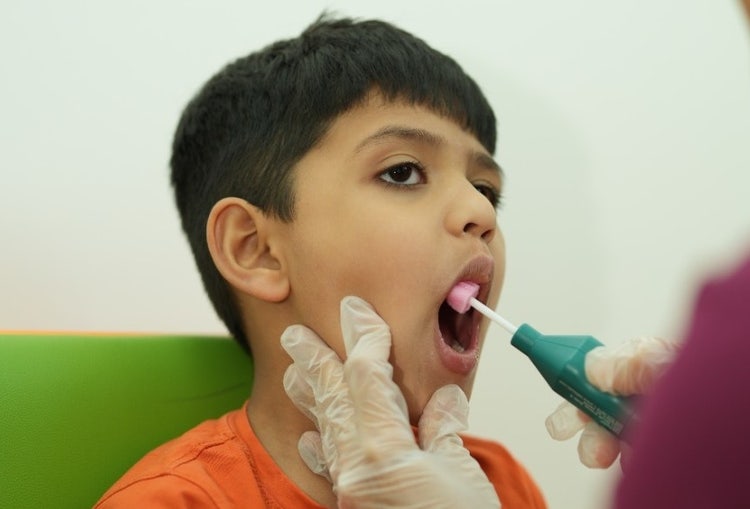
Drooling Therapy is widely used to support children who have difficulty coordinating the muscle movements needed for speech.Making it one of the most effective approaches for CAS globally.Childhood Apraxia of Speech (CAS) is a neurological speech disorder where children:
- Know what they want to say
- But cannot coordinate the movements to say it
Drooling directly addresses this by:
- Guiding oral muscle movement
- Training speech sequencing
- Building motor pathways
Our Drooling Therapy Approach at Jewel
Our approach follows a structured and individualized model to help children build strong speech motor skills and functional communication.Each child receives a customized therapy plan.Our structured model includes:
- Detailed Speech Motor Assessment
- Oral Motor Mapping
- Individualised Motor Planning Goals
- Tactile-Kinesthetic Cueing
- Functional Communication Training
- Parent Training & Home Programs
Why Choose Jewel Autism Centre for Drooling Therapy?
Jewel Autism Centre provides specialised, child-centred therapy designed to support meaningful communication developmentOur therapy model focuses not just on speech, but functional communication outcomesJewel has earned the trust of families in india because of:
- Multidisciplinary model
- Evidence-based therapy approach
- Integration with autism intervention
- Child-friendly therapy environment
- Family-centred care
When Should Parents Consider Drooling Therapy?
Parents may consider drooling therapy when a child shows persistent difficulties with speech production or coordinating the movements required for clear speech.Early intervention leads to better outcomes.You may consider Drooling if your child:
- Is not talking despite therapy
- Produces unclear speech
- Struggles with sound production
- Shows difficulty in oral movements
- Has autism with motor speech issues
- Has been diagnosed with apraxia
What Makes Drooling Therapy Powerful?
Drooling therapy supports the brain’s ability to plan and coordinate the movements needed for clear speech.
Drooling works at the neurological level by:
- Enhancing motor pathways
- Supporting speech coordination
- Improving sensory-motor integration
It transforms into:
- Effortful speech
- Functional communication
Book Drooling Therapy Assessment
Recognized By Major Gulf & Indian News Platforms







What Parents Say

Sussamma Mathew
Best child development center with excellent professionals.

Absheen Mathew
Such a Supportive Team.

Shiba Shiny Babu
Jewel Autism Centre, Kottayam, is undoubtedly one of the best autism treatment and support centres in India. The dedication and professionalism of the entire team are truly commendable. The staff provide excellent support and maintain clear, consistent communication with families, ensuring that parents are always informed and involved in their child's progress.
The therapists are highly trained, extremely patient, and genuinely caring in their approach. Their expertise and commitment create a positive and supportive environment for children to learn and grow.

Vihaan Kumar
I miss you. Vihaan is doing good in school. Good sitting ,Good eye contact with class teacher ,Good listening, Good group participation writing Thank you forever.
Shiba Shiny Babu
Jewel autism centre is a highly professional center for autistic kids. The staffs of jewel are very friendly and responsible. They have change the life of many kids including my cousins child. I appreciate each and every staff for their kind cooperation and dedication.

Nisthul Bensi
Jewel Autism Centre is a well developed centre in Kottayam for all the developmental issues in children. They provide Speech Therapy, Occupational Therapy, Special Education and Behavioral Therapy with qualified professionals. I highly recommend this centre.

John Mathew
Jewel Autism Centre is the best child development center in India which provides various services such as Speech Therapy, Occupational Therapy, Special Education, Physiotherapy, Behavioural Therapy and Child Psychology under the same roof.

Aksha Varghese
Really good place for therapy. All sorts of therapy are available. Many changes were observed after coming to this institution. Really good service was available.