NDBI- Naturalistic Developmental Behavioral Interventions
What is NDBI?
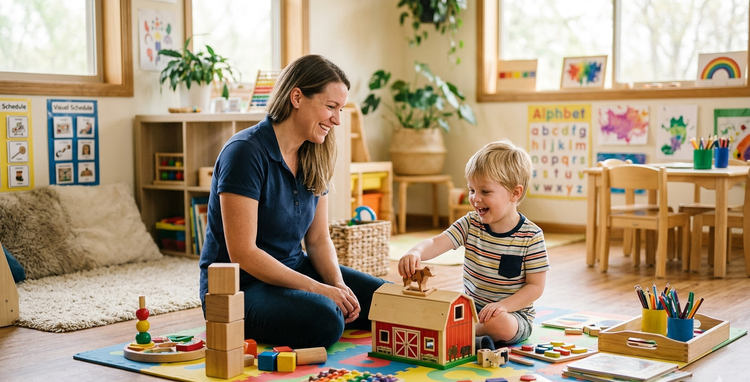
Naturalistic Developmental Behavioral Interventions (NDBI) is an evidence-based approach designed to support children with autism in developing communication, social, and learning skills through natural, everyday interactions. It focuses on creating meaningful learning opportunities within the child’s daily life, making skill development more relevant and effective.
NDBI combines principles from developmental science and applied behavior analysis (ABA), focusing on teaching skills in a child’s natural environment—such as during play, daily routines, and social activities. Instead of relying only on structured sessions, this approach uses real-life situations to encourage children to actively participate, communicate, and engage with others.
By following the child’s interests and motivations, NDBI makes learning more enjoyable and meaningful. The skills learned through this approach are more likely to be used across different settings, including home, school, and community environments.Overall, NDBI promotes holistic development by strengthening communication, social interaction, and adaptive skills, helping children become more independent and confident in their everyday lives.
Key Features of NDBI
Child-led and play-based learning
Encourages learning through the child’s interests using play as the primary mode of engagement.
Focus on natural environments and real-life situations
Teaches skills within everyday routines to make learning meaningful and practical.
Emphasis on social engagement and interaction
Promotes active participation and connection with others during learning activities.
Use of positive reinforcement to encourage learning
Strengthens desired behaviors by rewarding and encouraging successful attempts.
Integration of developmental and behavioral strategies
Combines developmental principles with structured techniques to support overall growth.
How NDBI Helps
NDBI supports the development of essential skills by integrating learning into a child’s natural environment and everyday routines. It focuses on building communication, social interaction, and independence through meaningful, real-life experiences. By following the child’s interests, NDBI keeps learning engaging and motivating. This approach not only helps children acquire new skills but also ensures they can use them across different settings. Over time, it promotes confidence, participation, and overall developmental progress.
- Expressive and receptive language
- Functional communication
- Social engagement and relationships
- Learning readiness
- Adaptive and daily living skills
How Therapy is Delivered
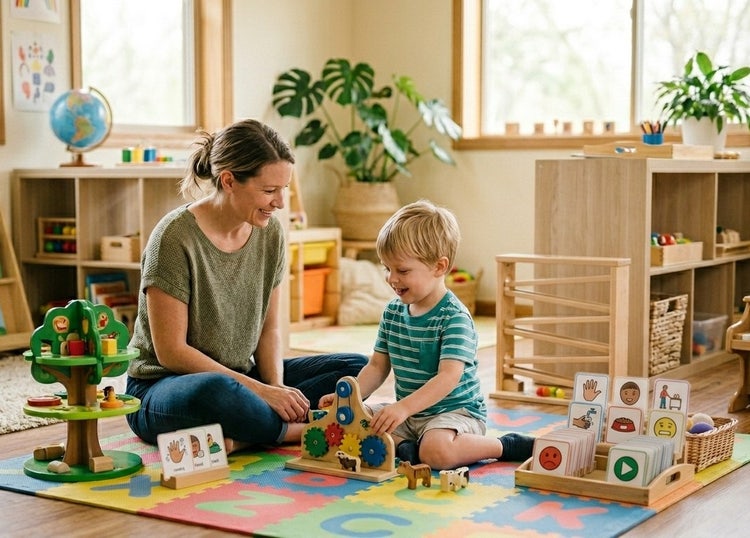
In NDBI sessions, therapists follow the child’s interests and use everyday interactions to teach important skills.For example, during play:
- The therapist encourages communication
- Builds turn-taking skills
- Reinforces attempts to interact
- Models appropriate language and behavior
This natural approach helps children learn in a stress-free and enjoyable way.
What Actually Works for Autism
Autism intervention should always be based on scientifically proven methods. The most effective approaches include:
- NDBI (Naturalistic Developmental Behavioral Interventions)
- Speech therapy
- Occupational therapy (sensory integration)
- Parent-mediated intervention
These approaches directly improve:
- Eye contact
- Communication
- Social interaction
Consistency, early intervention, and the right combination of therapies lead to meaningful and lasting progress.
Our Approach at Jewel Autism Centre
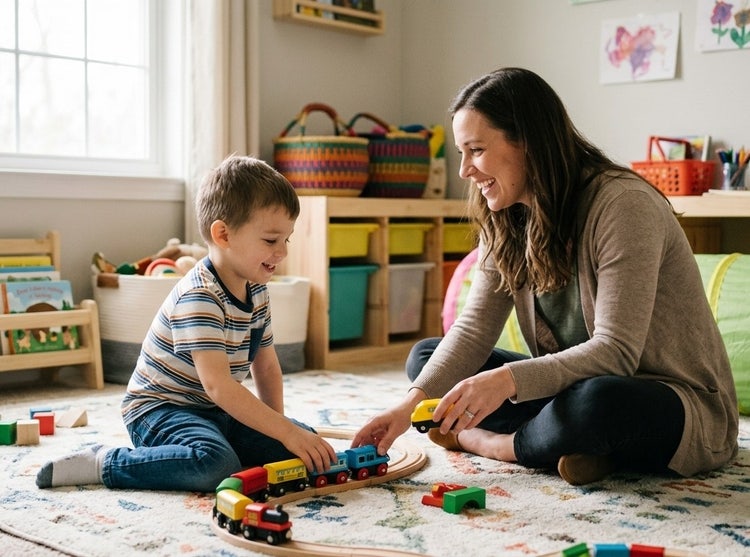
At Jewel Autism Centre, NDBI is part of a multidisciplinary therapy model:
- Behaviour therapy
- Speech therapy
- Occupational therapy
- Special education
This ensures holistic and individualized care for every child.
Our Therapy Focus Areas
Joint attention
Helps the child share focus with others, building the foundation for communication and learning.
Communication skills
Supports the child in expressing needs, thoughts, and feelings effectively.
Social interaction
Encourages meaningful engagement and connection with others in everyday situations.
Play and imitation
Develops learning through play by copying actions, sounds, and behaviors.
Emotional understanding
Helps the child recognize, express, and respond to emotions appropriately.
Recognized By Major Gulf & Indian News Platforms







What Parents Say

Anu Peter
"I've been taking my child to Jewel Child Development Center in Kakkanad for therapy, and the experience has been truly heartening. Finding the right support for your child can be overwhelming, but the team here makes the journey so much easier. The therapists are not only highly skilled but also genuinely bond with the kids, making the sessions feel more like guided play than clinical work. I've seen a visible shift in my child's confidence and skills since we started. They are also very transparent with progress reports, which helps us stay on track as parents. For anyone in the Kochi area looking for a supportive and professional environment for their child's growth, Jewel is definitely a place you can trust."

Adithya Baiju
Working at Jewel Autism Centre has been a truly rewarding experience. The centre provides a supportive and professional environment where both staff and children are valued with care and respect. The management is approachable, teamwork is encouraged, and there are great opportunities to learn and grow professionally.

Rena Rafic
Working at Jewel Autism Centre and Child Developmental Centre has been a meaningful experience. The center maintains a positive and supportive work environment where the focus is always on the growth and well-being of each child. The team is dedicated, compassionate, and professional, and there is good cooperation among staff members. It is a great place to learn, grow, and contribute to making a difference in children's lives.

Sussamma Mathew
Best child development center with excellent professionals.

Absheen Mathew
Such a Supportive Team.

Shiba Shiny Babu
Jewel Autism Centre, Kottayam, is undoubtedly one of the best autism treatment and support centres in India. The dedication and professionalism of the entire team are truly commendable. The staff provide excellent support and maintain clear, consistent communication with families, ensuring that parents are always informed and involved in their child's progress.
The therapists are highly trained, extremely patient, and genuinely caring in their approach. Their expertise and commitment create a positive and supportive environment for children to learn and grow.

Vihaan Kumar
I miss you. Vihaan is doing good in school. Good sitting ,Good eye contact with class teacher ,Good listening, Good group participation writing Thank you forever.
Shiba Shiny Babu
Jewel autism centre is a highly professional center for autistic kids. The staffs of jewel are very friendly and responsible. They have change the life of many kids including my cousins child. I appreciate each and every staff for their kind cooperation and dedication.