
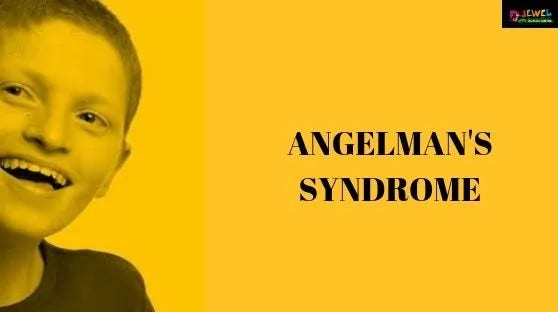
A genetic disorder causing developmental disabilities and nerve-related symptoms.
Angelmans syndrome usually isn’t detected until developmental delays become noticeable, usually when a baby is about six to 12 months old.
Symptoms include:
Lack of crawling or babbling, minimal speech and frequent smiling and laughter. Inability to walk, move or balance well (ataxia) is also a symptom.
People may experience:
- Developmental: short stature or speech delay in a child
- Muscular: abnormality walking or problems with coordination
- Cognitive: developmental disability or intellectual disability
- Also common: drooling, happy demeanour, lazy eye, seizures, sleep disorder, or speech impairment.
Treatment consists of
A team of health care professionals will likely work with you to manage your child’s condition. Depending on your child’s signs and symptoms, treatment for Angelmans syndrome may involve:
- Anti-seizure medication to control seizures
- Physical therapy to help with walking and movement problems
- Communication therapy, which may include sign language and picture communication
- Behavior therapy to help overcome hyperactivity and a short attention span and to aid in development
Diagnosis
The diagnosis of Angelmans syndrome is based on:
- A history of delayed motor milestones and then later a delay in general development, especially of speech.
- Unusual movements including fine tremors, jerky limb movements, hand flapping and a wide-based, stiff-legged gait.
- Characteristic facial appearance (but not in all cases).
- A history of epilepsy and an abnormal EEG tracing.
- A happy disposition with frequent laughter
- A deletion or inactivity on chromosome 15 by array comparative genomic hybridization (aCGH) or by BACs-on-Beads technology.
Diagnostic criteria for the disorder were initially established in 1995 in collaboration with the Angelman syndrome Foundation (US);[15] these criteria underwent revision in 2005.[16]
Seizures are a consequence, but so is excessive laughter,[17] which is a major hindrance to early diagnosis.