
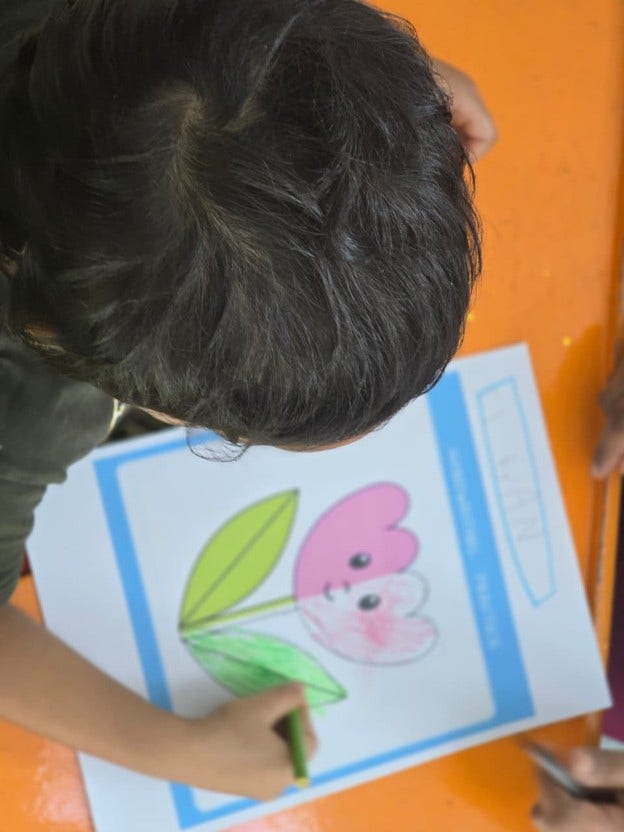
As parents and caregivers, we often try to keep children clean and tidy. However, some of the most valuable learning experiences happen when children are allowed to get a little messy!
Messy play includes activities such as finger painting, playing with sand, water play, shaving foam, slime, mud, clay, and sensory bins. While these activities may create extra clean-up, they offer tremendous benefits for a child's development.
Why Is Messy Play Important?
1. Supports Sensory Development
Messy play allows children to explore different textures, temperatures, and materials. This helps the brain process sensory information more effectively and supports sensory integration.
2. Develops Fine Motor Skills
Scooping, squeezing, pouring, pinching, and molding materials strengthen the small muscles of the hands and fingers. These skills are important for handwriting, buttoning clothes, and using utensils.
3. Encourages Creativity and Imagination
Unlike structured activities, messy play has no right or wrong way to play. Children can create, experiment, and express themselves freely.
4. Improves Problem-Solving Skills
Children learn through trial and error. They discover what happens when they mix colors, add water to sand, or build structures with different materials.
5. Builds Confidence and Independence
When children explore materials on their own, they make choices, take risks, and develop confidence in their abilities.
Easy Messy Play Activities at Home
* Finger painting with washable paints
* Playing with homemade play dough
* Water pouring and scooping activities
* Sand play with cups and molds
* Shaving foam drawing on a tray
* Rice or bean sensory bins
* Mud kitchen play in the garden
A little mess today can lead to a lot of learning tomorrow! 🎨🖐️🌈🌟