
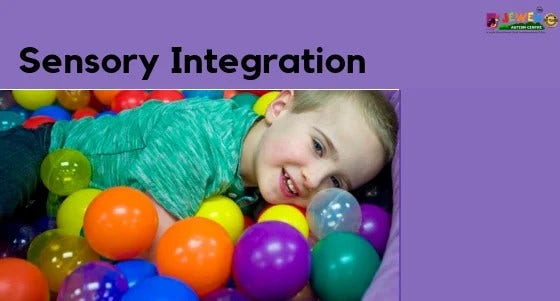
Introduction:
Sensory integration refers to how people use the information provided by all sensations originating within the body or from the external environment.
Sensory Responsiveness: What’s normal and what isn’t?
Kids with sensory dysfunction have much more trouble with sensory processing. It includes the following symptoms:
- They usually manage many of the following behavioral symptoms, which can interfere with the daily activities and learning.
- Oversensitivity or under-sensitivity to touch, sights, sounds, movements, tastes, and smells.
- High distractibility with problems paying attention and staying focused on a task.
- An unusually high or low activity level.
- Frequent turning out or withdrawing.
- Intense, out of proportion reactions to challenging situations and unfamiliar environments.
- Impulsiveness, with little or no self-control.
- Difficulty transitioning from activity to activator situation to situation.
- Rigidity and inflexibility at times.
- Clumsiness and carelessness.
- Discomfort in group situations.
- Social or emotional difficulties.
- Developmental and learning delays and acting silly or immature
- Awkwardness, insecurity, or feeling “stupid or weird.”
- Trouble handling frustration, a tendency to tantrum longer and more intensely than other children and more difficulty returning to a calm state.
- Problems transitioning from an alert, active state to a calm rested state.
TREATMENT
- Sensory activities can be facilitating, inhibiting or regulatory/ modulating, depending on the quality, intensity, and duration of the stimuli.
- The therapist provides light touch, textures, shapes or deep touch pressure.
Intervention related to sensory discrimination
- Many of the techniques used for intervention in modulation also apply in discrimination.
- To help a child develop appropriate tactile discrimination, the child may discriminate size, shape, texture, location, and quality of a variety of tactile stimuli to various areas of the body with and without vision.