
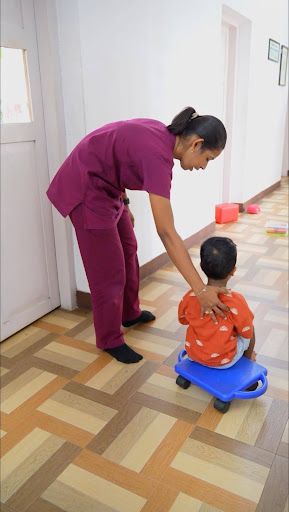
Introduction
One of the most challenging experiences for pediatric therapists and parents occurs when children appear to resist therapy.
Children may:
- Refuse activities
- Avoid entering therapy rooms
- Say “No”
- Become upset during sessions
- Withdraw from participation
- Run away
- Show emotional outbursts
Adults may sometimes interpret these behaviors as:
- Non-cooperation
- Defiance
- Poor motivation
- Manipulation
However, when viewed through a relationship-based and neurodevelopmental perspective, therapy resistance often communicates something deeper.
Children rarely wake up thinking:
“Today I will make therapy difficult.”
Instead, resistance frequently reflects how the nervous system is experiencing the environment.
Understanding resistance through a relationship lens helps therapists move from asking:
“How do I make this child cooperate?”
to:
“What is this child trying to tell me?”
Reframing Resistance
Resistance may actually represent:
🟢 Anxiety
🟢 Sensory overload
🟢 Emotional overwhelm
🟢 Fear
🟢 Loss of control
🟢 Reduced trust
Children communicate through behavior long before they communicate through words.
The Nervous System and Safety
The brain continuously asks:
“Am I safe?”
If safety is uncertain, protective responses may appear.
These responses can include:
🔴 Fight
- Yelling
- Refusing
- Pushing away
🔵 Flight
- Running
- Avoiding
- Hiding
🟡 Freeze
- Shutting down
- Becoming quiet
- Appearing disconnected
Resistance often reflects survival responses rather than intentional opposition.
Why Resistance May Occur in Therapy
Children may resist because:
- Demands feel too high
- Activities feel difficult
- Sensory experiences feel overwhelming
- Trust has not developed yet
- Emotional safety feels uncertain
Signs That Relationship Factors May Be Contributing
Children may:
- Participate only with certain therapists
- Become distressed during transitions
- Appear guarded
- Seek caregiver reassurance
- Avoid eye contact
Supporting Children Through Resistance
🟢 Become curious
Instead of:
“Why are you refusing?”
Ask:
“What might this behavior be communicating?”
🔵 Reduce pressure temporarily
🟡 Follow the child’s interests
🔴 Prioritize connection before demands
The Role of Occupational Therapy
OT supports:
- Emotional regulation
- Sensory processing
- Participation
- Relationship-based intervention
Final Thoughts
Resistance is often communication rather than opposition.
Because children participate most successfully when they feel emotionally safe enough to engage.